Top 5 Sustainable Fashion Brands Making Waves in U.S. Market 2026
Anúncios
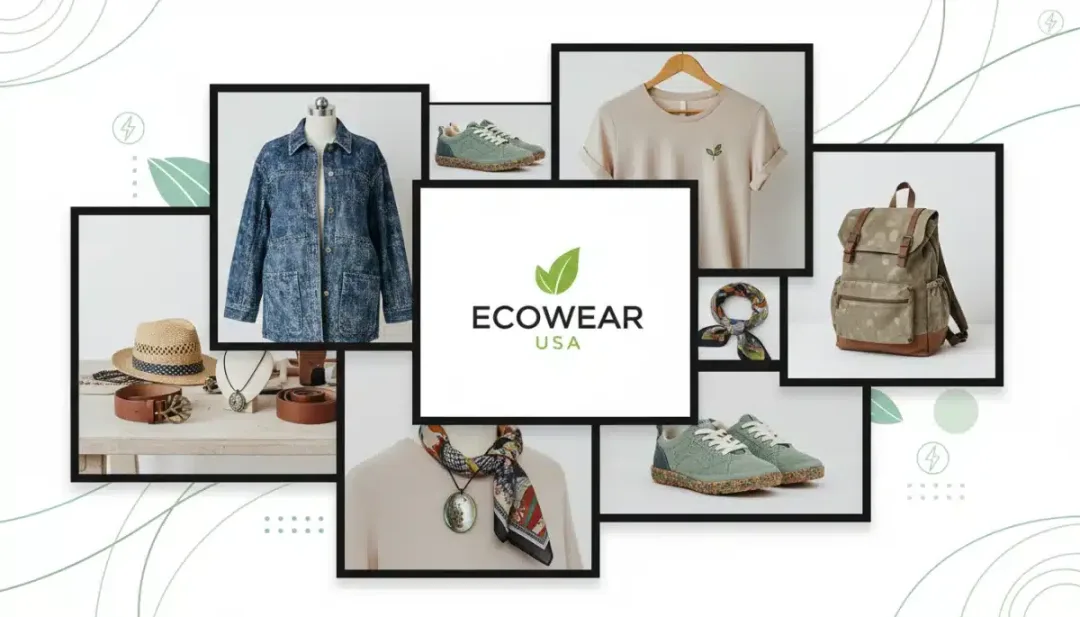
The U.S. fashion industry is witnessing a significant shift towards sustainability, driven by consumer demand and environmental imperatives. This report identifies Sustainable Fashion Brands US 2026 that are not just participating, but actively shaping the future of ethical clothing. These brands exemplify innovation, transparency, and a commitment to responsible production, setting new benchmarks for the entire market.
The Top 5 Sustainable Fashion Brands Making Waves in the U.S. Market for 2026 are redefining industry standards, moving beyond mere trends to establish lasting impacts. Their strategies encompass everything from material sourcing to supply chain transparency and circular design principles. Understanding their approaches offers critical insights into where the sustainable fashion movement is headed.
This analysis provides an in-depth look at these leading brands, exploring their methodologies, market penetration, and the influence they wield. It is essential for industry professionals and conscious consumers alike to grasp the transformative power these companies hold in the evolving U.S. fashion landscape.
The Rise of Conscious Consumerism and Market Shift
Consumer preferences in the U.S. are increasingly leaning towards brands that demonstrate genuine environmental and social responsibility. This societal shift is not a fleeting trend but a fundamental change in purchasing behavior, pushing companies to adapt their core operations.
The demand for transparency regarding sourcing, production, and labor practices has intensified, forcing brands to be more accountable. As a result, companies prioritizing ethical conduct and sustainable materials are gaining a competitive edge, attracting a growing segment of the market.
Anúncios
This evolving market dynamic underscores the importance of identifying leaders in the sustainable fashion space. Their success stories provide a blueprint for future growth and illustrate the viability of environmentally conscious business models within the competitive U.S. retail sector.
Criteria for Identifying Leading Sustainable Fashion Brands
Identifying the leading sustainable fashion brands requires a comprehensive evaluation beyond simple greenwashing claims. True sustainability encompasses a brand’s entire lifecycle, from design to disposal, ensuring minimal environmental harm and maximum social benefit.
Key criteria include the use of certified organic or recycled materials, ethical labor practices, transparent supply chains, and innovative circular design initiatives. Brands must demonstrate a measurable commitment to reducing their carbon footprint and contributing positively to their communities.
Moreover, market impact and consumer perception play a crucial role in determining a brand’s influence. A brand’s ability to scale sustainable practices without compromising quality or design is also a significant factor in its potential to be among The Top 5 Sustainable Fashion Brands Making Waves in the U.S. Market for 2026.
Material Innovation and Sourcing
The foundation of sustainable fashion lies in its materials. Leading brands are investing heavily in research and development to discover and utilize innovative, eco-friendly alternatives to conventional fabrics.
From organic cotton and recycled polyester to cutting-edge bio-based textiles, these brands are setting new standards. Their commitment extends to ensuring these materials are sourced responsibly, often with third-party certifications that verify their environmental and social integrity.
- Utilizing certified organic cotton and hemp to reduce pesticide use.
- Incorporating recycled materials like plastic bottles and fishing nets into new garments.
- Experimenting with innovative bio-based fabrics such as mushroom leather and pineapple fibers.
- Ensuring fair trade practices and transparent supply chains for all raw materials.
Ethical Production and Labor Practices
Beyond materials, the ethical treatment of workers throughout the supply chain is paramount. Sustainable brands are dedicated to fair wages, safe working conditions, and empowering local communities.
Anúncios
They often partner with factories that adhere to stringent labor standards, conducting regular audits and fostering long-term relationships with their suppliers. This commitment to human rights is a cornerstone of their sustainable ethos and differentiates them in the market.
Brand Spotlight: Patagonia – A Pioneer in Ethical Outdoor Wear
Patagonia has long been a frontrunner in the sustainable apparel movement, consistently setting benchmarks for environmental stewardship and corporate responsibility. Their commitment extends beyond product design to active environmental advocacy and innovative business models.
The brand’s robust repair program, ‘Worn Wear,’ encourages customers to extend the life of their garments, directly combating textile waste. Patagonia’s dedication to using recycled materials and organic cotton has significantly influenced industry practices, proving that sustainability can be profitable.
Their transparent supply chain and fair labor practices are well-documented, making them a trusted name among conscious consumers. Patagonia’s unwavering mission to ‘build the best product, cause no unnecessary harm, use business to inspire and implement solutions to the environmental crisis’ positions them firmly among The Top 5 Sustainable Fashion Brands Making Waves in the U.S. Market for 2026.
Brand Spotlight: Eileen Fisher – Timeless Design, Sustainable Impact
Eileen Fisher has carved a niche in the sustainable fashion market with its emphasis on timeless design, quality craftsmanship, and a deep commitment to environmental and social responsibility. The brand’s philosophy centers on creating versatile pieces that transcend seasonal trends, promoting mindful consumption.
Their initiatives include extensive use of organic linen, ethical silk, and recycled cashmere, alongside a comprehensive take-back program for worn garments. This program allows customers to return old Eileen Fisher clothes, which are then resold or repurposed, embodying circular economy principles.
The brand’s dedication to empowering women in its supply chain and advocating for environmental justice further solidifies its position. Eileen Fisher’s blend of sophisticated design and unwavering ethical principles makes it a powerful contender within The Top 5 Sustainable Fashion Brands Making Waves in the U.S. Market for 2026.
Circular Economy Initiatives
The shift from a linear ‘take-make-dispose’ model to a circular economy is crucial for true sustainability. Leading brands are actively implementing strategies to keep materials in use for as long as possible, reducing waste and reliance on virgin resources.
This includes designing products for longevity, offering repair services, and developing take-back programs for end-of-life garments. Such initiatives not only minimize environmental impact but also foster stronger customer loyalty and brand trust.
- Implementing take-back programs for garment recycling and repurposing.
- Designing durable products with repairability in mind to extend lifespan.
- Exploring innovative recycling technologies for textile waste.
- Collaborating with organizations to develop closed-loop production systems.
Transparency and Certifications
Consumers increasingly demand to know the origins and impacts of their clothing. Sustainable brands are responding by providing unprecedented levels of transparency across their supply chains, often supported by credible third-party certifications.
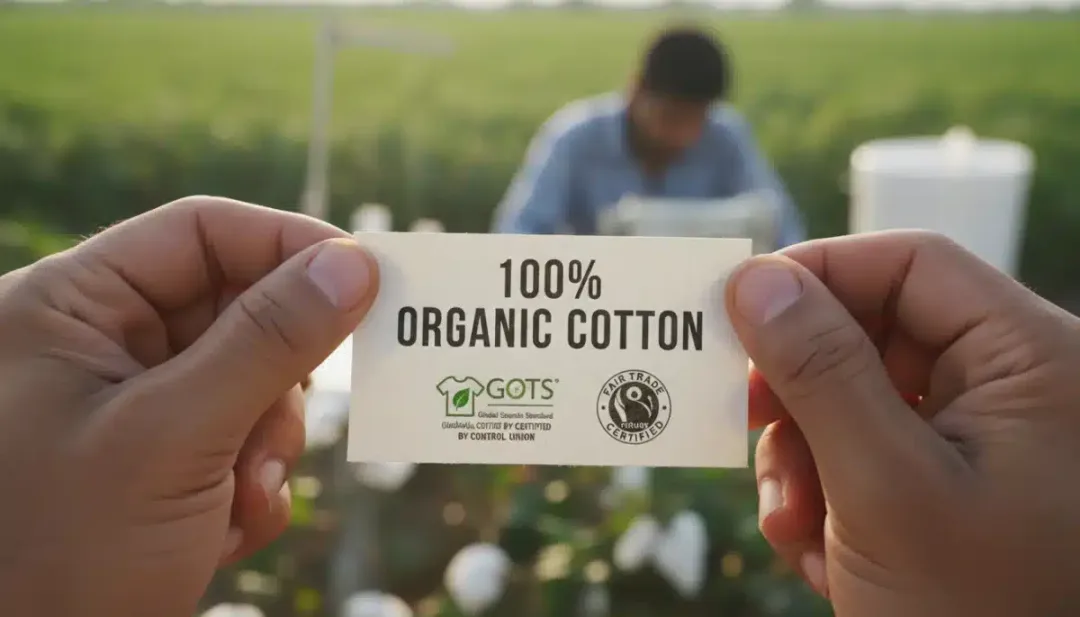
These certifications, such as GOTS for organic textiles or Fair Trade for ethical labor, offer independent verification of a brand’s claims. This commitment to openness builds trust and empowers consumers to make informed purchasing decisions, reinforcing the brand’s sustainable credentials.
Brand Spotlight: Reformation – Sustainable Style for the Modern Consumer
Reformation has rapidly ascended as a go-to brand for stylish, sustainable clothing, appealing to a younger, fashion-conscious demographic. The brand’s success lies in its ability to blend trendy designs with rigorous sustainability practices, proving that eco-friendly fashion doesn’t have to compromise on style.
Known for its detailed ‘RefScale’ which tracks the environmental impact of each garment, Reformation provides transparent data on water saved, waste diverted, and carbon dioxide emissions avoided. This level of disclosure resonates strongly with consumers seeking quantifiable positive impact.
Their strategic use of sustainable materials like Tencel, recycled fabrics, and deadstock textiles, combined with responsible manufacturing processes, positions them as a dynamic force. Reformation’s innovative approach and rapid growth indicate its significant influence among The Top 5 Sustainable Fashion Brands Making Waves in the U.S. Market for 2026.
Brand Spotlight: Allbirds – Sustainable Footwear Innovation
While primarily known for footwear, Allbirds has made significant strides in sustainable apparel, bringing its innovative material approach to clothing. The brand’s core philosophy revolves around using natural, renewable materials to create comfortable and environmentally friendly products.
Allbirds’ commitment to sustainability is evident in its use of ZQ Merino wool, Tencel Lyocell, and sugarcane-based EVA foam, alongside a transparent carbon footprint measurement for all its products. Their ‘SweetFoam’ technology exemplifies how natural resources can replace synthetic components without sacrificing performance.
The brand’s expansion into apparel, maintaining its stringent sustainable standards, demonstrates its potential to disrupt the broader fashion market. Allbirds is a strong contender among The Top 5 Sustainable Fashion Brands Making Waves in the U.S. Market for 2026, particularly for its material science innovations and direct-to-consumer model.
Brand Spotlight: Tentree – Planting Trees, Growing a Movement
Tentree distinguishes itself through a unique proposition: for every item purchased, ten trees are planted. This direct, tangible environmental impact resonates deeply with consumers looking to make a difference through their buying choices, transforming consumption into conservation.
Beyond tree planting, Tentree is committed to using sustainable materials such as organic cotton, recycled polyester, hemp, and Tencel. Their production processes prioritize minimizing water usage and chemical pollution, ensuring a holistic approach to environmental responsibility.
The brand’s transparency regarding its tree-planting initiatives and supply chain practices builds significant trust and loyalty. Tentree’s innovative business model and unwavering commitment to ecological restoration solidify its place among The Top 5 Sustainable Fashion Brands Making Waves in the U.S. Market for 2026, showcasing a powerful blend of commerce and environmental activism.
Future Outlook for Sustainable Fashion in the U.S. Market
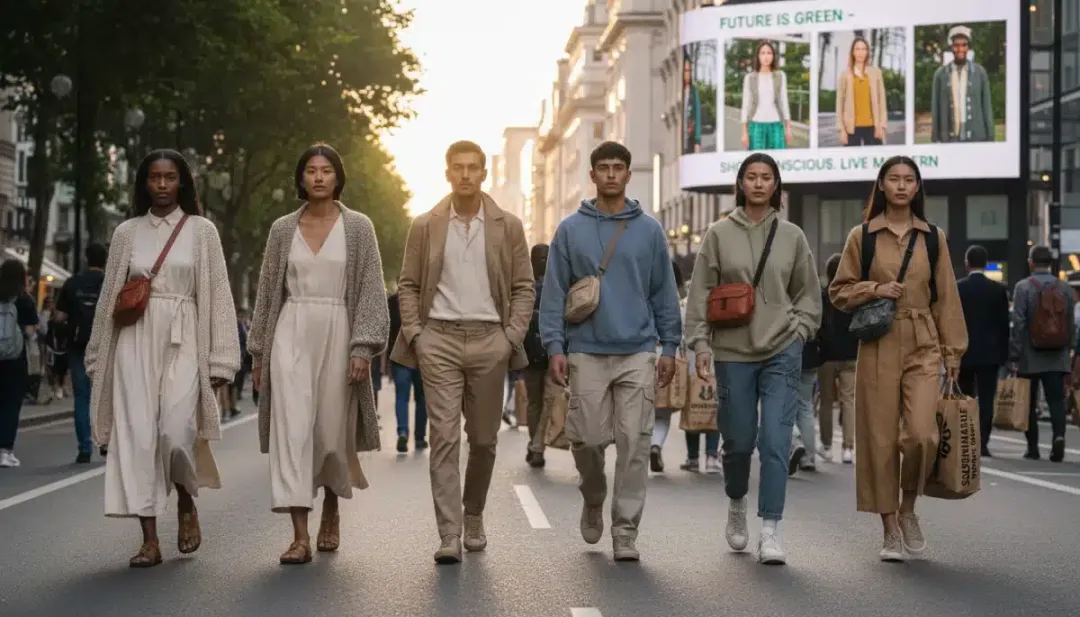
The trajectory for sustainable fashion in the U.S. market indicates continued growth and increasing mainstream adoption. As consumer awareness rises and technological advancements make eco-friendly production more viable, the industry is poised for significant transformation.
Legislative changes and industry collaborations are also expected to play a crucial role in accelerating this shift. Brands that fail to adapt to these evolving standards risk losing market share, while those embracing sustainability will thrive.
The influence of The Top 5 Sustainable Fashion Brands Making Waves in the U.S. Market for 2026 will likely extend beyond their direct sales, inspiring broader industry changes. Their innovative approaches to materials, production, and consumer engagement are setting new precedents for the entire sector.
| Key Aspect | Impact in U.S. Market |
|---|---|
| Consumer Demand | Growing preference for ethical and eco-friendly products. |
| Material Innovation | Increased use of recycled, organic, and bio-based fabrics. |
| Circular Economy | Expansion of repair, resale, and recycling programs. |
| Transparency | Higher demand for detailed supply chain and impact data. |
Frequently Asked Questions About Sustainable Fashion
What defines a sustainable fashion brand?▼A sustainable fashion brand prioritizes environmental protection and social equity throughout its entire supply chain. This includes ethical sourcing of materials, fair labor practices, minimizing waste and pollution, and often engaging in circular economy initiatives to reduce its ecological footprint.
Why is sustainable fashion gaining traction in the U.S. market?▼Growing consumer awareness of environmental issues and social injustices is a primary driver. Consumers are increasingly seeking products that align with their values, leading to a demand for transparency and ethical practices from brands. Media coverage and advocacy groups also play a significant role.
How do these brands ensure ethical labor practices?▼Leading sustainable brands implement strict codes of conduct for their suppliers, conduct regular third-party audits of factories, and often partner with Fair Trade certified facilities. They aim to ensure fair wages, safe working conditions, and respect for human rights across their global supply chains.
What role does material innovation play in sustainable fashion?▼Material innovation is crucial for reducing environmental impact. Brands are exploring alternatives to conventional fabrics, such as organic cotton, recycled polyester, hemp, and bio-based materials like Tencel and innovative leathers made from plants. These materials require fewer resources and generate less pollution.
How can consumers support sustainable fashion brands?▼Consumers can support sustainable fashion by researching brands’ practices, choosing quality over quantity, investing in durable and versatile pieces, and participating in circular initiatives like repairing clothes or buying second-hand. Spreading awareness about these brands also contributes to their growth.
Looking Ahead: The Evolving Landscape of Sustainable Fashion
The emergence of The Top 5 Sustainable Fashion Brands Making Waves in the U.S. Market for 2026 signals a powerful shift in the fashion industry. These companies are not merely selling clothes; they are selling a vision of responsible consumption and production. Their continued innovation and commitment to ethical practices will undoubtedly shape future market trends.
As consumer demand for transparency and sustainability grows, more brands will be compelled to adopt similar models. The success of these pioneers provides a compelling case for integrating environmental and social considerations into the core of business strategy. This movement is a testament to the power of conscious choices, both by brands and by consumers, driving significant positive change in the fashion world.