Top 7 Sustainable Skincare Brands in US for 2026 Impact
Anúncios

In the fast-paced world of beauty, Sustainable Skincare Brands are no longer just a niche, they are the new gold standard for American consumers. As we head into 2026, the demand for high-performance products that respect our planet has reached an all-time high.
This shift has paved the way for ethical beauty pioneers to overhaul everything from biodegradable packaging to carbon-neutral manufacturing. These trailblazers prove that you don’t have to sacrifice luxury or efficacy to maintain an eco-conscious vanity.
We’ve curated the definitive list of the top seven industry leaders currently redefining the “clean” movement. Discover the innovators setting the pace for a greener future and learn how their botanical-driven formulas are changing the face of the US market.
The Ascent of Eco-Conscious Beauty in the US Market
Consumer demand for transparency and ethical production has dramatically reshaped the beauty industry. Brands are now compelled to move beyond greenwashing, demonstrating genuine commitment to environmental stewardship.
This shift reflects a broader societal movement towards sustainability, where purchasing decisions are increasingly aligned with personal values. The US market, in particular, shows robust growth in this sector, indicating a long-term trend.
Anúncios
The focus is no longer solely on product efficacy but also on the entire lifecycle of a product, from its raw materials to its eventual disposal. This holistic view defines the leading sustainable skincare brands US.
Defining True Sustainability in Skincare
True sustainability in skincare extends beyond natural ingredients, encompassing ethical labor practices, responsible water usage, and biodegradable formulations. It involves a continuous effort to minimize ecological footprints at every stage.
Brands are investing in renewable energy, implementing closed-loop systems, and actively participating in conservation efforts. These actions differentiate genuine sustainable brands from those merely adopting eco-friendly marketing.
Consumers are becoming adept at identifying these distinctions, pushing brands to provide verifiable certifications and transparent supply chains. This accountability is crucial for fostering trust and loyalty.
- Ingredient Sourcing: Emphasis on organic, fair-trade, and locally sourced components.
- Packaging Innovations: Focus on refillable, recyclable, compostable, and plastic-free solutions.
- Manufacturing Processes: Reducing water consumption, energy efficiency, and waste minimization.
Pioneering Ethical Sourcing and Transparency
Ethical sourcing forms the bedrock of any truly sustainable skincare brand, ensuring ingredients are obtained without harm to people or the planet. This involves rigorous vetting of suppliers and adherence to fair trade principles.
Transparency in the supply chain allows consumers to trace ingredients back to their origins, fostering trust and accountability. Leading brands are open about their processes, often sharing details on their websites.
This commitment to ethical sourcing and transparency distinguishes the top sustainable skincare brands US, demonstrating their dedication to responsible practices beyond mere compliance.
Anúncios
The Impact of Fair Trade and Organic Certifications
Fair trade certifications guarantee that producers receive fair wages and work in safe conditions, directly benefiting communities in developing regions.
Organic certifications ensure ingredients are grown without harmful pesticides or chemicals, protecting biodiversity and soil health.
These certifications are not just labels; they represent a commitment to higher standards that resonate deeply with conscious consumers. They provide an independent verification of a brand’s claims, building confidence.
Brands that actively pursue and maintain these certifications are demonstrating a profound dedication to both social and environmental responsibility, setting themselves apart in a competitive market.
- Supplier Audits: Regular checks to ensure ethical labor and environmental practices.
- Community Investment: Programs supporting the well-being of ingredient-producing communities.
- Ingredient Traceability: Providing consumers with information on where and how ingredients are sourced.
Innovations in Sustainable Packaging Solutions
Packaging is a critical area where skincare brands can significantly reduce their environmental footprint. The industry is moving away from single-use plastics towards innovative, eco-friendly alternatives.
This includes developing refillable systems, using post-consumer recycled materials, and exploring biodegradable or compostable options. The goal is to minimize waste and promote a circular economy.
The top sustainable skincare brands US are investing heavily in research and development to create packaging that is both functional and environmentally sound, setting new benchmarks for the industry.
Beyond Plastic: Refillable and Biodegradable Options
Refillable packaging systems offer a practical solution to reduce plastic waste, allowing consumers to reuse containers multiple times. This not only cuts down on manufacturing new packaging but also encourages consumer participation in sustainability efforts.
Biodegradable and compostable materials, derived from natural sources, break down harmlessly into the environment after use. These innovations are crucial for addressing the pervasive issue of plastic pollution.
Brands are also experimenting with innovative materials like glass, aluminum, and even mushroom-based packaging, showcasing a diverse approach to tackling the packaging challenge. These efforts are redefining what is possible.
- Recycled Content: Utilizing post-consumer recycled (PCR) plastics and glass.
- Material Innovation: Exploring alternatives like sugarcane, bamboo, and seed paper.
- Package-Free Options: Offering solid bars or concentrates to eliminate packaging entirely.
The Role of Water Conservation and Waste Reduction
Water scarcity is a growing global concern, and sustainable skincare brands are actively seeking ways to minimize their water footprint. This involves efficient manufacturing processes and the development of waterless products.
Waste reduction strategies extend beyond packaging to include minimizing production waste, recycling by-products, and implementing circular economy principles. Every step of the production process is scrutinized for potential improvements.
These initiatives highlight a comprehensive approach to environmental responsibility, positioning these sustainable skincare brands US as leaders in ecological stewardship. Their efforts demonstrate a deep commitment.
Waterless Formulations and Closed-Loop Systems
Waterless skincare products, often in concentrated or solid forms, reduce the need for water in both their formulation and consumer use. This innovation not only conserves water but also often results in more potent products.
Closed-loop manufacturing systems aim to reuse and recycle resources within the production process, minimizing waste sent to landfills. This approach reflects a commitment to zero-waste principles and resource efficiency.
Brands are also investing in wastewater treatment technologies to ensure that any water discharged from their facilities is clean and safe for the environment. This holistic approach is essential for long-term sustainability.
- Manufacturing Efficiency: Optimizing processes to reduce water and energy consumption.
- Upcycling Ingredients: Utilizing by-products from other industries to create new ingredients.
- Zero-Waste Initiatives: Implementing programs to eliminate waste across the supply chain.
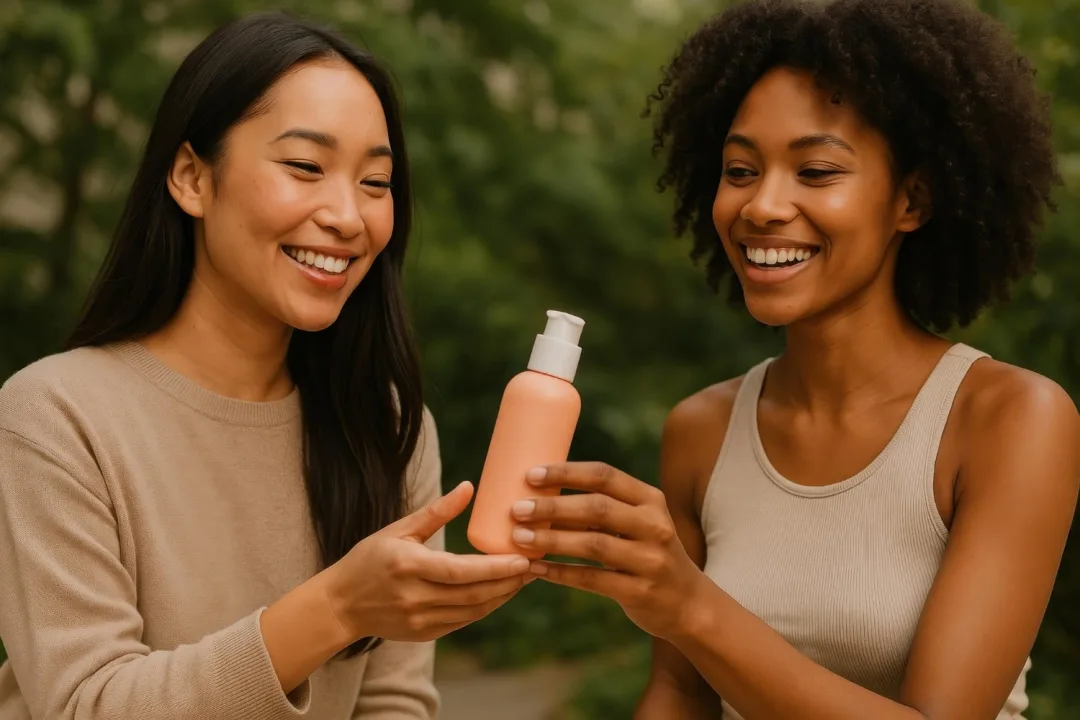
Top 7 Sustainable Skincare Brands in the US for 2026
The US market for Sustainable Skincare Brands has reached a tipping point, where ethical transparency is as vital as formula efficacy. As we move through 2026, leading companies are moving beyond simple “clean” labels to prove their measurable positive impact on the planet.
These industry pioneers are redefining standards by implementing regenerative farming, carbon-negative supply chains, and circular packaging. Their success reflects a consumer base that no longer views eco-responsibility as a luxury, but as a non-negotiable requirement for their daily routines.
This analysis spotlights seven brands that are currently setting the benchmark for environmental excellence in American beauty, detailing how their unique innovations are driving a greener future for the industry.
Brand Spotlights: Leaders in Eco-Innovation
- Naturopathica (Regenerative Agriculture) A pioneer in the “Soil-to-Skin” movement, Naturopathica co-manages regenerative farms across North America. By focusing on soil health and biodiversity, they ensure their botanical actives, like Calendula and Echinacea, are not only potent but also help sequester carbon and restore local ecosystems.
- Biossance (Biotechnology & Squalane) Biossance revolutionized the market by creating a sustainable, sugarcane-derived Squalane through advanced biotechnology. This innovation saves millions of sharks annually, proving that lab-grown ingredients can be more stable and eco-friendly than traditional “natural” sourcing.
- UpCircle Beauty (Upcycled Ingredients) Leading the circular beauty revolution, UpCircle rescues by-products from the food and drink industry—such as coffee grounds, fruit stones, and chai spices—transforming them into high-performance skincare. This “zero-waste” approach prevents tons of nutrient-rich organic matter from ending up in landfills.
- True Botanicals (Waterless & Concentrated Formulas) Recognized for its high-performance, biocompatible formulas, True Botanicals is a leader in reducing water waste. By offering concentrated products and prioritizing Made Safe® certification, they minimize the environmental footprint associated with heavy water usage and chemical toxicity.
- One Ocean Beauty (Ocean Conservation) This brand utilizes “Blue Biotechnology” to produce marine actives in a lab, avoiding the harvesting of natural ocean resources. Their packaging incorporates recycled ocean-bound plastic, and they actively fund global projects dedicated to marine habitat protection.
- Tata Harper (Local Sourcing & Fresh Batching) Manufacturing everything on their farm in Vermont, Tata Harper minimizes transportation emissions through a “farm-to-face” model. Their commitment to 100% natural, non-toxic ingredients and glass-first packaging makes them a staple of domestic sustainable luxury.
- Common Heir (Plastic-Free Innovation) Common Heir has gained traction by eliminating plastic entirely from its supply chain. Known for its biodegradable, plant-based capsules, the brand offers high-potency serums (like Vitamin C and Retinol) that leave zero trace behind, setting a new standard for guilt-free luxury.
Consumer Impact and Future Market Trends
The growing awareness among consumers about environmental issues is a primary driver for the success of sustainable skincare brands US. Consumers are actively seeking products that align with their values, influencing market trends.
This demand is pushing more mainstream brands to adopt sustainable practices, creating a ripple effect across the entire beauty industry. The future points towards an even greater emphasis on verifiable sustainability claims.
The market is expected to see continued innovation in eco-friendly materials, ingredient traceability, and circular business models. Consumer pressure will remain a key catalyst for these advancements.
The Power of Conscious Purchasing Decisions
Every purchase made by a conscious consumer sends a clear message to the industry: sustainability matters. This collective power is forcing brands to re-evaluate their practices and invest in more responsible approaches.
Consumers are increasingly willing to pay a premium for products that are ethically sourced, environmentally friendly, and transparent about their production. This trend is not fleeting but represents a fundamental shift in consumer behavior.
The long-term impact of these purchasing decisions will lead to a more sustainable and equitable beauty industry for all. It empowers individuals to contribute to positive environmental change through their everyday choices.
- Education: Consumers are becoming more educated about environmental certifications and ethical claims.
- Advocacy: Social media and online communities amplify consumer voices, holding brands accountable.
- Preference Shift: A growing number of consumers prioritize sustainability over brand loyalty or price.
Challenges and Opportunities for Sustainable Skincare
Despite significant progress, sustainable skincare brands face challenges such as higher production costs and the complexity of developing truly eco-friendly alternatives. Educating consumers about the value of these practices is also an ongoing effort.
However, these challenges also present opportunities for innovation and market differentiation. Brands that successfully navigate these hurdles stand to gain a competitive edge and build stronger consumer loyalty.
The demand for transparency and ethical performance continues to rise, creating a fertile ground for growth among the most dedicated sustainable skincare brands US. This dynamic environment fosters continuous improvement.
Overcoming Hurdles in the Green Beauty Movement
One major hurdle is the cost associated with sustainable sourcing and innovative packaging, which can translate to higher retail prices. Brands must effectively communicate the long-term value and benefits of these investments to consumers.
Another challenge involves scaling sustainable practices without compromising their integrity. As brands grow, maintaining ethical supply chains and minimizing environmental impact becomes increasingly complex.
However, advancements in green technology and increasing consumer willingness to support sustainable choices are continually creating new pathways for success. Collaboration across the industry is also vital for progress.
- Cost-Effective Solutions: Research into more affordable sustainable materials and processes.
- Supply Chain Resilience: Building robust and ethical global supply chains.
- Consumer Engagement: Educating the public on the benefits and importance of sustainable choices.
| Key Aspect | Description |
|---|---|
| Ethical Sourcing | Prioritizing fair trade, organic, and cruelty-free ingredients. |
| Sustainable Packaging | Innovations in refillable, recyclable, and biodegradable materials. |
| Environmental Impact | Focus on water conservation, waste reduction, and carbon neutrality. |
| Consumer Demand | Driving market shifts towards more transparent and eco-friendly options. |
Frequently Asked Questions About Sustainable Skincare
What exactly makes a skincare brand sustainable?▼A sustainable skincare brand employs practices that minimize environmental harm and ensure social equity. This includes ethical sourcing of ingredients, using eco-friendly packaging, reducing water and energy consumption in manufacturing, and ensuring fair labor practices throughout its supply chain. Transparency is key to verifying these claims.
Why are sustainable skincare brands US gaining so much traction now?▼The increased traction is due to growing consumer awareness about environmental issues and a desire for products aligning with their values. Social media and easy access to information empower consumers to make informed choices, pushing brands to adopt more responsible practices. This trend is expected to continue through 2026 and beyond.
How can I identify truly sustainable skincare products?▼Look for certifications from reputable third-party organizations, transparent ingredient lists, and detailed information about sourcing and manufacturing processes. Brands that offer refillable packaging, use post-consumer recycled materials, or have clear carbon-neutral initiatives often indicate genuine commitment. Avoid brands with vague ‘green’ claims without substantiation.
Are sustainable skincare products more expensive?▼Often, sustainable products can have a higher initial cost due to ethical sourcing, organic ingredients, and innovative eco-friendly packaging. However, many consumers view this as an investment in quality and environmental responsibility. The market is also seeing more affordable sustainable options emerge, making eco-conscious beauty accessible to a wider audience.
What role does packaging play in skincare sustainability?▼Packaging is crucial as it accounts for a significant portion of the beauty industry’s waste. Sustainable packaging minimizes environmental impact through features like refillable designs, use of recycled content, and biodegradable or compostable materials. Brands are actively innovating to reduce plastic waste and promote a circular economy model for their products.
Looking Ahead
The continued rise of sustainable skincare brands US signifies a fundamental shift in the beauty industry, with environmental impact becoming a core metric of success.
The brands highlighted here are not just selling products; they are pioneering a new standard for corporate responsibility and consumer engagement.
As we move towards 2026, expect further innovations in sustainable materials, more stringent ethical sourcing, and increased consumer demand for transparency.
The landscape of American beauty will continue to evolve, driven by a collective commitment to a healthier planet and more conscious consumption.
This ongoing transformation offers both challenges and immense opportunities for brands willing to prioritize sustainability, setting the stage for a truly green future in skincare.