The 2026 Guide to Ethical Fashion: 5 Brands Offering Sustainable Styles in the U.S. Market
Anúncios
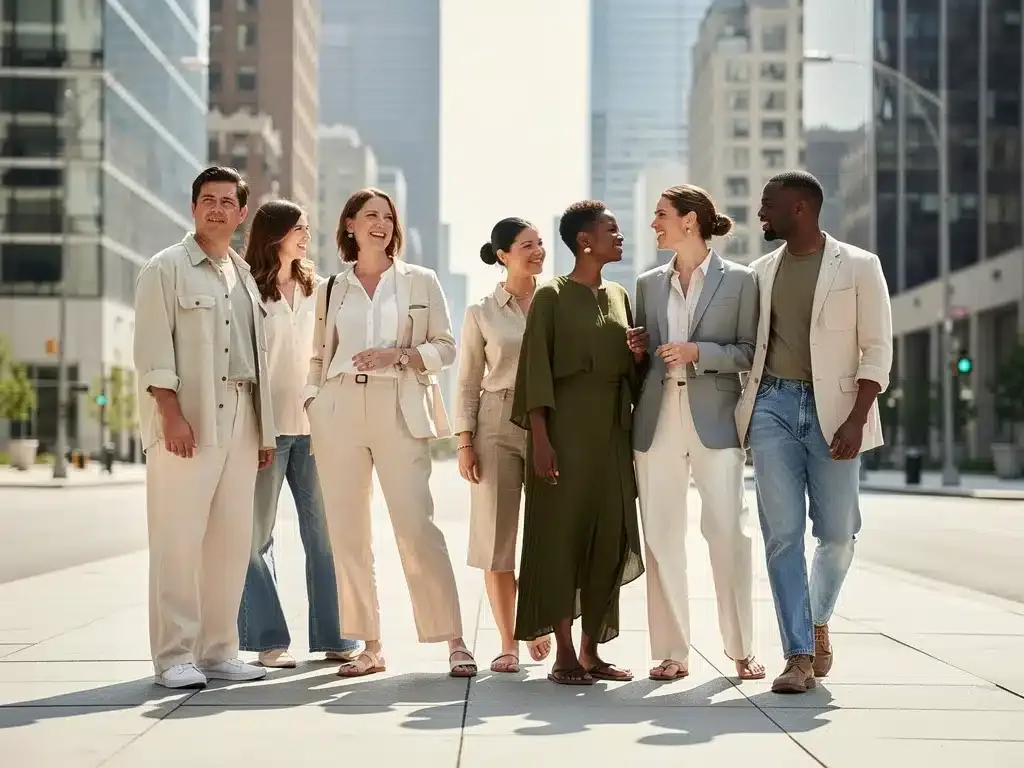
Embracing Ethical Fashion has shifted from a niche lifestyle trend into an urgent industry standard, empowering conscious consumers to build a stylish wardrobe that matches their personal values.
A select group of visionary American apparel companies is actively rewriting the industry playbook by prioritizing fair labor practices and radically transparent supply chains.
By utilizing organic textiles, non-toxic dyes, and closed-loop manufacturing, these innovative labels prove that high-end design does not have to come at the expense of our planet.
As strict new retail sustainability guidelines take effect across the country, keeping track of genuine eco-friendly pioneers is essential to avoid corporate greenwashing.
The Growing Imperative for Ethical Fashion
The fashion industry’s environmental and social impact has long been a subject of critical discussion, prompting a significant shift towards more sustainable practices.
Anúncios
Consumers are increasingly aware of the provenance of their clothing, demanding transparency and accountability from brands.
This heightened awareness has fueled the growth of the ethical fashion movement, pushing companies to re-evaluate their supply chains, material choices, and labor practices. For 2026, this trend is not merely a niche interest but a foundational expectation for a growing segment of the market.
The push for ethical fashion extends beyond environmental concerns, encompassing fair wages, safe working conditions, and community development. Brands that genuinely commit to these principles are gaining significant traction, defining the future of retail.
Defining Ethical Fashion in 2026: Key Criteria
Ethical fashion in 2026 encompasses a broad spectrum of considerations, moving beyond mere buzzwords to verifiable actions and certifications. It involves a holistic approach that addresses the entire lifecycle of a garment, from raw material extraction to disposal.
Key criteria include the use of sustainable materials such as organic cotton, recycled fabrics, and innovative bio-based alternatives. Additionally, brands are scrutinized for their manufacturing processes, seeking to minimize water usage, chemical pollution, and carbon emissions.
Furthermore, social responsibility remains paramount, with an emphasis on fair labor practices, living wages, and safe working environments across the entire supply chain. Transparency about these practices is a non-negotiable aspect for brands to be considered truly ethical.
Sustainable Material Sourcing and Innovation
Brands prioritizing ethical fashion are investing heavily in sustainable material research and development. This includes transitioning away from conventional cotton and synthetic fibers towards options with lower environmental footprints.
Anúncios
Innovations in textiles, such as fabrics made from agricultural waste or regenerated cellulose, are gaining prominence. The goal is to reduce reliance on virgin resources and minimize environmental degradation associated with traditional textile production.
Fair Labor Practices and Supply Chain Transparency
Ensuring fair treatment for workers across the global supply chain is a cornerstone of ethical fashion. This involves guaranteeing living wages, safe working conditions, and the right to organize, often verified by third-party certifications.
Transparency is key, with brands increasingly publishing details about their factories, suppliers, and audit results. This allows consumers to make informed decisions and hold companies accountable for their social responsibilities.
Pioneering Brands in The 2026 Guide to Ethical Fashion: U.S. Market
Several brands in the U.S. market are leading the charge in ethical fashion, demonstrating a strong commitment to sustainability and social responsibility. These companies are setting benchmarks for others to follow, proving that style and ethics can coexist seamlessly.
Their efforts span innovative material use, transparent supply chains, and community engagement, offering consumers viable alternatives to fast fashion. These five brands represent a diverse range of styles and price points within the ethical fashion landscape.
As part of Ethical Fashion, we highlight their unique contributions and what makes them stand out in a competitive market. Their dedication is reshaping consumer expectations and industry standards.
Brand 1: Patagonia – A Legacy of Environmental Activism
Patagonia has long been a vanguard in the sustainable apparel movement, known for its durable outdoor gear and unwavering commitment to environmental protection. Their approach integrates robust ethical practices into every facet of their business model.
The company’s initiatives include using recycled materials, organic cotton, and fair trade certified factories. Patagonia also actively advocates for environmental causes, donating a percentage of its sales to grassroots environmental organizations.
Their ‘Worn Wear’ program encourages repair and reuse, extending the life cycle of garments and combating textile waste. This holistic commitment solidifies their position as a leader in ethical fashion for 2026.
Brand 2: Reformation – Sustainable Style for the Modern Woman
Reformation has carved a niche for itself by offering stylish, contemporary clothing with a strong emphasis on sustainability. They prioritize transparency, providing detailed ‘RefScale’ reports that quantify the environmental impact of each garment.
The brand utilizes eco-friendly materials such as Tencel, recycled fabrics, and sustainably sourced viscose, minimizing water and energy consumption. Their manufacturing processes are designed to reduce waste and maximize efficiency.
Reformation’s commitment extends to fair labor practices within their Los Angeles factory and throughout their supply chain. They consistently demonstrate that fashion-forward design can be achieved without compromising ethical standards.
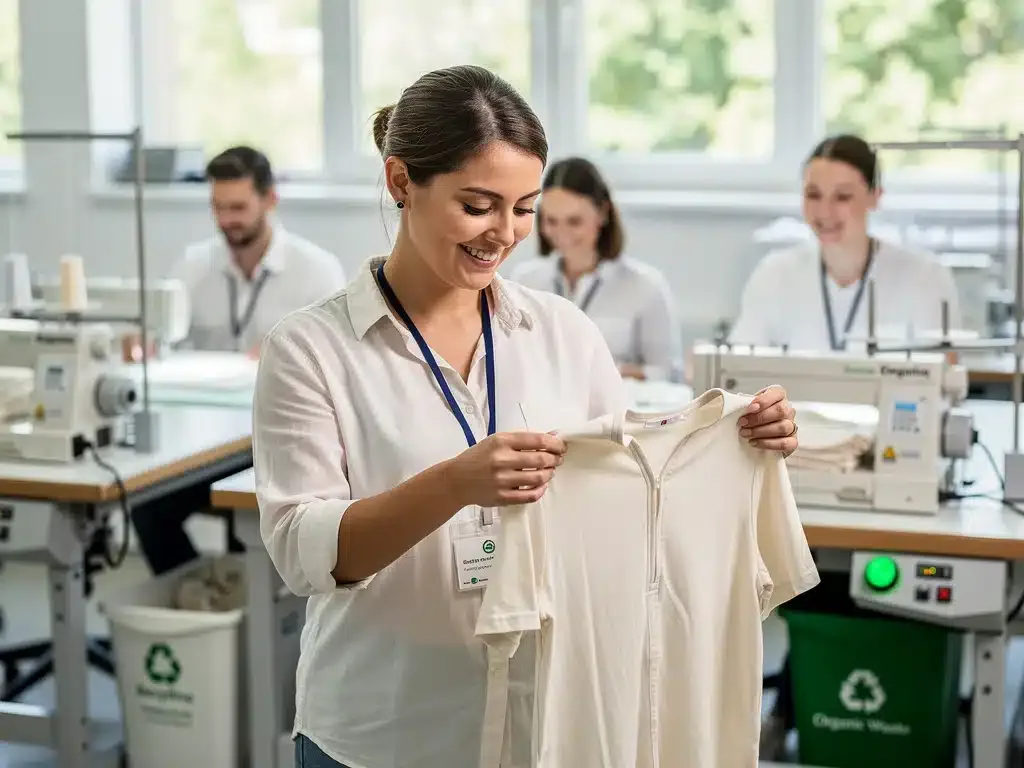
Innovations and Challenges in Ethical Production
The journey towards fully ethical fashion is fraught with both exciting innovations and persistent challenges. While new technologies offer promising solutions, scaling these solutions and ensuring widespread adoption remains a significant hurdle for the industry.
Breakthroughs in material science, such as lab-grown leather and biodegradable textiles, present opportunities to further reduce environmental impact. However, the cost and availability of these materials can limit their immediate integration into mainstream production.
Addressing the complexities of global supply chains, including monitoring labor conditions in diverse regions, continues to be a major challenge. Brands must invest in robust auditing and verification systems to maintain their ethical commitments.
Advancements in Circular Economy Models
The concept of a circular economy is gaining significant traction in ethical fashion, aiming to eliminate waste and pollution by keeping products and materials in use. Brands are exploring various models, including take-back programs and garment recycling initiatives.
Designing for durability and repairability is also a key aspect, encouraging consumers to extend the lifespan of their clothing. This shift away from linear production models is critical for achieving true sustainability in the long term.
Overcoming Greenwashing and Ensuring Authenticity
As ethical fashion gains popularity, the risk of ‘greenwashing’ – where brands misleadingly market themselves as sustainable – increases. Consumers require clear, verifiable information to distinguish genuine efforts from superficial claims.
Certifications from reputable third-party organizations play a crucial role in validating ethical claims. Brands must commit to transparency and provide concrete data to build trust with their increasingly discerning customer base.
Brand 3: Outerknown – Coastal Vibes with Conscientious Practices
Founded by professional surfer Kelly Slater, Outerknown embodies a relaxed, coastal aesthetic combined with a deep commitment to sustainability. The brand focuses on timeless designs made from responsible materials, intended to last.
Outerknown utilizes organic cotton, recycled fishing nets (ECONYL), and hemp in their collections, actively working to minimize their environmental footprint. They are also Fair Trade Certified, ensuring fair wages and safe conditions for their factory workers.
Their dedication to both style and sustainability makes them a standout in The 2026 Guide to Ethical Fashion: 5 Brands Offering Sustainable Styles in the U.S. Market. They prove that casual wear can be both environmentally conscious and effortlessly cool.
Brand 4: Amour Vert – French Chic Meets Eco-Friendly Production
Amour Vert, meaning ‘Green Love’ in French, offers sophisticated and feminine apparel with an unwavering commitment to sustainability. Their philosophy centers on producing beautiful clothing with minimal environmental impact.
The brand primarily uses sustainable fabrics such as Tencel Modal, organic cotton, and certified silk, manufactured in small batches in California. They also plant a tree for every T-shirt sold, contributing to reforestation efforts.
Amour Vert’s dedication to local production and sustainable materials positions them as a key player in the ethical fashion landscape for 2026. They provide a compelling option for consumers seeking elegant and eco-conscious attire.
Brand 5: Eileen Fisher – Timeless Design, Enduring Values
Eileen Fisher has been a pioneer in sustainable fashion for decades, long before it became a mainstream trend. The brand is renowned for its timeless, minimalist designs and its steadfast commitment to ethical and environmental responsibility.
They prioritize organic and recycled fibers, responsible dyeing processes, and fair labor practices throughout their supply chain. Eileen Fisher also operates a successful take-back program, ‘Renew,’ which recycles and resells used garments.
The brand’s comprehensive approach to sustainability, coupled with its enduring aesthetic, makes it an indispensable inclusion in The 2026 Guide to Ethical Fashion. Their influence continues to shape the industry.
| Key Aspect | Description |
|---|---|
| Sustainable Materials | Focus on organic, recycled, and innovative eco-friendly fabrics. |
| Fair Labor | Commitment to living wages, safe conditions, and transparency. |
| Circularity | Design for longevity, repair, and end-of-life recycling programs. |
| Transparency | Open communication about supply chains and environmental impact. |
Frequently Asked Questions About Ethical Fashion in 2026
What defines ethical fashion for 2026?▼Ethical fashion in 2026 is defined by a comprehensive approach to sustainability and social responsibility. This includes using eco-friendly materials, ensuring fair labor practices throughout the supply chain, minimizing environmental impact in production, and promoting circularity through repair and recycling. Transparency is also a key component, allowing consumers to verify claims.
How do these brands ensure fair labor?▼The featured brands ensure fair labor through various mechanisms, including Fair Trade certifications, independent third-party audits of their factories, and direct engagement with their supply chain partners. They commit to paying living wages, providing safe working conditions, and respecting workers’ rights. Many publish their factory lists for public scrutiny, embodying transparency in ethical fashion.
What sustainable materials are most common?▼Common sustainable materials include organic cotton, recycled polyester (often made from plastic bottles), Tencel (lyocell), hemp, and linen. Brands are also exploring innovative materials like Piñatex (pineapple leaf fiber) and various bio-based synthetics. The focus is on materials that require less water, fewer pesticides, and produce a lower carbon footprint compared to conventional alternatives.
Is ethical fashion more expensive?▼Ethical fashion can sometimes have a higher upfront cost due to premium sustainable materials and fair labor expenses. However, these garments are often designed for durability and longevity, reducing the need for frequent replacements. Investing in ethical fashion can be more cost-effective in the long run and supports responsible production practices, aligning with conscious consumer values.
How can consumers identify truly ethical brands?▼Consumers can identify truly ethical brands by looking for certifications from reputable organizations (e.g., Fair Trade, GOTS, B Corp), requesting detailed information on supply chain transparency, and scrutinizing brands’ environmental reports. Genuine ethical brands are open about their practices, acknowledge challenges, and continuously strive for improvement. Avoid brands with vague sustainability claims.
Perspectives for Ethical Fashion in the U.S. Market
The trajectory of ethical fashion in the U.S. market for 2026 indicates a continued acceleration of sustainable and responsible practices.
Consumers are increasingly valuing transparency and proven impact, pushing more brands to integrate ethical considerations into their core business models.
This shift is not merely a trend but a fundamental reorientation of industry values, driven by both consumer demand and regulatory pressures.
The brands highlighted in Ethical Fashion serve as crucial examples of what is achievable.
What happens next involves further innovation in materials, enhanced supply chain oversight, and a broader adoption of circular economy principles.
Monitoring these developments will be essential for understanding the evolving landscape of sustainable style and its impact on the wider fashion industry.