Seasonal Skincare Swaps: Fall/Winter 2026 Dryness & Dullness Solutions

Anúncios
In 2026, seasonal skincare focuses on “Intelligent Resilience” to combat the dryness and dullness of Fall/Winter.
As temperatures drop, experts emphasize shifting from summer’s aggressive actives to barrier-first formulas that prioritize microbiome health and lipid replenishment.
Industry leaders highlight a move toward “Cloud Skin”—a hydrated, soft-matte finish—and the integration of biotech ingredients like exosomes and peptides.
By swapping light gels for ceramide-rich balms and “slow” exfoliants, consumers can protect their skin’s biology against seasonal environmental stress, ensuring a luminous and healthy complexion year-round.
Understanding the Fall/Winter Skin Challenge
The transition from warmer to colder months brings significant environmental changes that directly affect skin physiology.
Reduced humidity levels, coupled with harsh winds and indoor heating, strip the skin of its natural moisture, leading to a compromised skin barrier.
This environmental assault often manifests as increased dryness, flakiness, and a noticeable lack of radiance.
Without proper adaptation, the skin becomes more susceptible to irritation, redness, and a generally dull appearance, impacting overall skin health and comfort.
Recognizing these specific challenges is the first step in implementing effective seasonal skincare swaps. A proactive approach ensures that your skin remains resilient and vibrant, rather than reacting to damage after it has occurred.
The Impact of Environmental Factors
Cold, dry air draws moisture from the skin, a process exacerbated by indoor heating systems that further deplete ambient humidity.
This constant battle against dehydration weakens the skin’s protective barrier, making it less effective at retaining water and defending against irritants.
Wind exposure, a common element of fall and winter weather, can also cause significant damage, leading to chapping and increased sensitivity.
These combined factors necessitate a strategic overhaul of daily skincare practices to provide adequate protection and nourishment.
Ignoring these environmental stressors can lead to a cycle of dryness and discomfort, making it harder for the skin to recover. Therefore, understanding the specific impact of these elements is crucial for successful seasonal skincare swaps.
- Reduced humidity levels indoors and outdoors.
- Increased exposure to harsh winds.
- Prolonged use of indoor heating.
Essential Cleansing Adjustments for Cold Weather
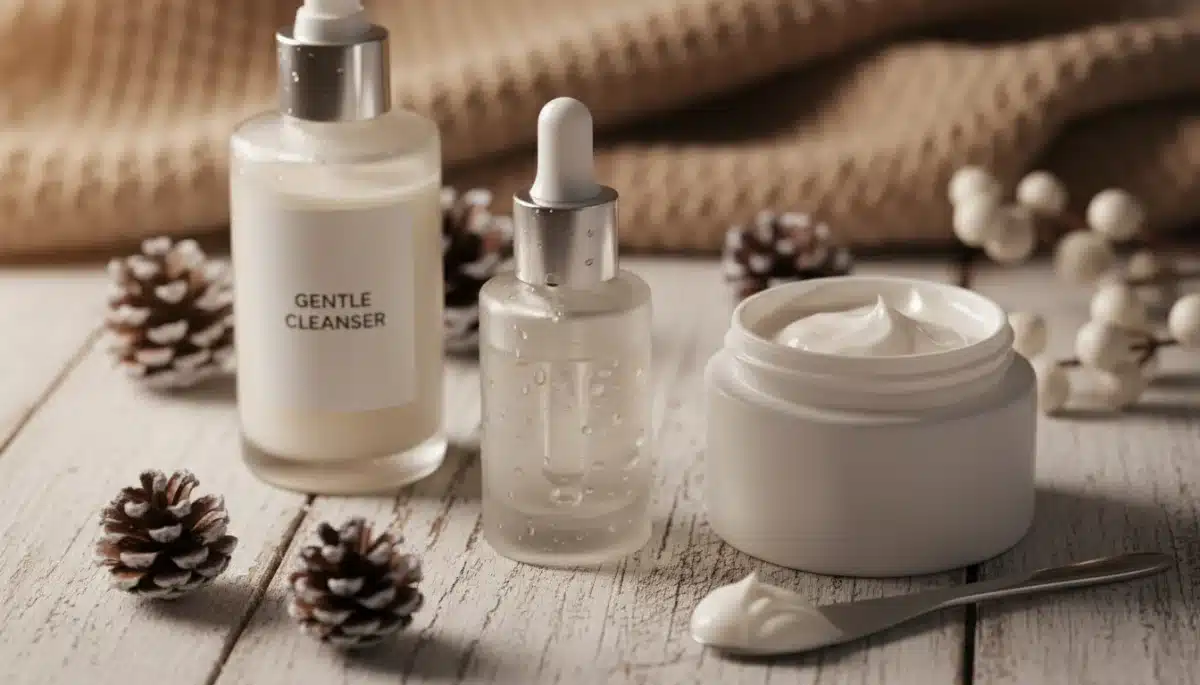
As temperatures drop, the aggressive cleansers favored in warmer months can become detrimental, stripping the skin of essential oils. This exacerbates dryness and compromises the skin’s natural barrier, making it more vulnerable to environmental damage.
The focus for fall and winter cleansing should shift towards gentle, hydrating formulations that effectively remove impurities without causing further dehydration.
Cream-based cleansers, oil cleansers, or balm cleansers are ideal for this purpose, providing a soothing and moisturizing experience.
These gentler options help maintain the skin’s delicate moisture balance, preparing it for subsequent hydrating treatments. Making these seasonal skincare swaps in your cleansing routine is a foundational step towards healthier winter skin.
Opting for Hydrating Cleansers
Switching to a hydrating cleanser ensures that the skin’s natural lipid barrier remains intact, preventing the tight, uncomfortable feeling often associated with harsh washing.
Look for ingredients like glycerin, hyaluronic acid, and ceramides in your chosen formula.
These components not only cleanse but also actively contribute to the skin’s hydration, offering a dual benefit. A gentle approach to cleansing sets the stage for better absorption of subsequent moisturizing products, maximizing their efficacy.
Incorporating these specific seasonal skincare swaps into your daily regimen will significantly improve skin comfort and resilience during colder periods. It is a simple yet powerful change that yields noticeable results.
Boosting Hydration with Serums and Essences
Hydrating serums and essences become non-negotiable components of a fall/winter skincare routine, providing a concentrated dose of moisture that goes beyond what moisturizers alone can offer.
These lightweight formulations penetrate deeply, delivering active ingredients where they are most needed.
Key ingredients to seek out include hyaluronic acid, glycerin, polyglutamic acid, and various peptides, all known for their exceptional humectant properties.
They draw moisture into the skin and help to plump it from within, reducing the appearance of fine lines caused by dehydration.
Integrating these powerful hydrators as part of your seasonal skincare swaps significantly enhances the skin’s ability to retain moisture.
This proactive step helps to combat the pervasive dryness and dullness commonly experienced during colder months, promoting a more supple complexion.
Layering for Maximum Moisture Retention
The strategic layering of hydrating products is crucial for achieving optimal moisture retention during fall and winter. Apply serums and essences immediately after cleansing and toning, while the skin is still slightly damp, to lock in maximum hydration.
Following with a richer moisturizer creates an occlusive layer that seals in the benefits of the lighter products, preventing transepidermal water loss.
This multi-layered approach ensures the skin is continuously nourished and protected against environmental aggressors.
This thoughtful application of products represents a vital aspect of effective seasonal skincare swaps. It transforms a basic routine into a sophisticated defense mechanism against cold-weather dehydration and dullness.
Selecting Richer Moisturizers and Oils
During fall and winter, the lightweight lotions suitable for summer often prove inadequate against the harsh, drying conditions. A fundamental seasonal skincare swap involves upgrading to richer, more emollient moisturizers and incorporating facial oils.
Look for creams that contain ceramides, fatty acids, cholesterol, and shea butter, as these ingredients are instrumental in repairing and strengthening the skin’s natural barrier.
These formulations provide a more substantial protective layer, effectively sealing in moisture and preventing evaporation.
Facial oils, applied as the final step in your routine, offer an additional layer of nourishment and protection.
They create a barrier against environmental stressors and impart a healthy glow, making them an indispensable element of your seasonal skincare swaps.
The Power of Occlusive Ingredients
Occlusive ingredients form a physical barrier on the skin’s surface, preventing water loss and protecting against external irritants.
Ingredients like petrolatum, lanolin, and mineral oil, often found in richer creams, are highly effective occlusives.
While some may shy away from these due to past misconceptions, their efficacy in preventing dryness during extreme weather is scientifically proven.
They are particularly beneficial for those experiencing significant dryness or compromised skin barriers.
Embracing these formulations is a key component of successful seasonal skincare swaps. They provide the robust defense mechanism your skin needs to thrive in cold, dry environments, maintaining hydration and preventing dullness.
Incorporating Exfoliation Strategically
While exfoliation is essential for removing dead skin cells and promoting cell turnover, the approach must change with the seasons.
Over-exfoliating in fall and winter can further compromise an already vulnerable skin barrier, leading to increased sensitivity and dryness.
The goal is to maintain a healthy cell turnover without stripping the skin of its natural defenses. This means opting for gentler methods and reducing the frequency of exfoliation, making it a crucial aspect of seasonal skincare swaps.
Chemical exfoliants with lower concentrations of AHAs or BHAs, or enzyme-based exfoliants, are often preferred over harsh physical scrubs during colder months. These options provide effective exfoliation while being kinder to the skin.
Gentle Exfoliants for Winter Skin
When selecting exfoliants for your fall/winter routine, prioritize products designed for sensitive or dry skin. Lactic acid, a milder AHA, is an excellent choice as it also offers hydrating benefits, making it ideal for combating winter dryness.
Enzyme peels, derived from fruits, gently dissolve dead skin cells without the need for abrasive scrubbing, which can irritate cold-weather skin. Reducing exfoliation to once or twice a week, depending on your skin’s tolerance, is a wise adjustment.
These careful seasonal skincare swaps ensure that skin remains smooth and receptive to hydrating treatments without experiencing undue stress. It’s about balance and protecting the skin’s integrity.
Protecting Skin from the Elements
Beyond internal hydration, external protection from the harsh elements is paramount during fall and winter.
This includes not only applying appropriate skincare but also considering physical barriers that shield the skin from wind and extreme cold.
Wearing scarves, hats, and gloves can significantly reduce exposure to environmental stressors, especially on delicate areas like the face, neck, and hands.
This physical protection complements the topical seasonal skincare swaps, creating a comprehensive defense strategy.
Even on cloudy days, UV radiation is still present and can damage the skin, making daily SPF application non-negotiable.
A broad-spectrum sunscreen, ideally integrated into your moisturizer, provides year-round protection against sun-induced dryness and dullness.
Year-Round Sun Protection
The misconception that sunscreen is only necessary in summer can lead to significant skin damage during colder months. UVA rays, which contribute to aging and dryness, are present year-round, regardless of temperature or cloud cover.
Incorporating a broad-spectrum SPF of 30 or higher into your daily morning routine is a non-negotiable seasonal skincare swap. Many modern moisturizers now include SPF, simplifying this crucial step and ensuring consistent protection.
This continuous sun protection not only prevents sun damage but also helps maintain an even skin tone and prevents the exacerbation of dryness. It is an essential component of any effective skincare regimen, irrespective of the season.
Addressing Dullness and Boosting Radiance
Dullness is a common complaint during fall and winter, often resulting from a buildup of dead skin cells and overall dehydration.
Effective seasonal skincare swaps aim to revitalize the complexion, restoring its natural luminosity and healthy glow.
Ingredients like Vitamin C, niacinamide, and gentle retinoids play a pivotal role in brightening the skin and improving its texture.
These actives work to address hyperpigmentation, promote collagen production, and enhance overall skin clarity.
Consistent use of these radiance-boosting ingredients, combined with proper hydration and exfoliation, can transform a lackluster complexion into one that appears vibrant and refreshed.
It’s about feeding the skin what it needs to truly shine.
Brightening Actives for Winter Skin
Vitamin C is a powerful antioxidant that not only protects the skin from environmental damage but also actively brightens the complexion by inhibiting melanin production.
Integrating a stable Vitamin C serum into your morning routine can significantly reduce dullness.
Niacinamide (Vitamin B3) is another versatile ingredient that improves skin tone, reduces redness, and strengthens the skin barrier, all contributing to a more radiant appearance.
It’s well-tolerated by most skin types and can be used both morning and night.
For those new to retinoids, starting with a gentle formulation a few times a week can accelerate cell turnover, revealing fresher, brighter skin.
These seasonal skincare swaps are key to achieving a luminous complexion even in the darkest months.

Lifestyle Adjustments for Optimal Skin Health
Effective seasonal skincare swaps extend beyond topical products to encompass broader lifestyle adjustments that support overall skin health.
Hydration from within, a balanced diet, and adequate sleep are foundational elements that significantly impact skin’s appearance and resilience.
Drinking sufficient water throughout the day is crucial for maintaining internal hydration, which directly reflects on skin plumpness and elasticity.
A diet rich in antioxidants, healthy fats, and vitamins further nourishes the skin, bolstering its ability to withstand environmental stressors.
Quality sleep allows the skin to repair and regenerate, preventing a tired and dull complexion.
These holistic approaches complement your topical routine, ensuring your skin receives comprehensive care during the challenging fall and winter months.
The Role of Internal Hydration and Nutrition
Proper hydration is not just about applying moisturizers; it starts with adequate water intake. Dehydration impacts every cell in the body, including skin cells, leading to a loss of plumpness and a more pronounced dullness.
Consuming a diet rich in omega-3 fatty acids, found in fish and flaxseed, helps to strengthen the skin’s lipid barrier, improving its ability to retain moisture.
Antioxidants from fruits and vegetables protect against free radical damage, which can contribute to premature aging and dullness.
These internal seasonal skincare swaps are often overlooked but are incredibly impactful. They provide the essential building blocks for healthy, resilient skin, allowing it to better combat the drying effects of cold weather.
| Key Change | Benefit for Fall/Winter |
|---|---|
| Hydrating Cleansers | Prevents moisture stripping, maintains barrier integrity. |
| Richer Moisturizers | Seals in hydration, creates strong protective barrier. |
| Facial Oils | Adds concentrated nourishment and occlusive protection. |
| Gentle Exfoliation | Removes dullness without compromising skin barrier. |
Frequently Asked Questions About Seasonal Skincare Swaps
Seasonal skincare swaps are crucial because colder weather, lower humidity, and indoor heating deplete skin moisture, leading to dryness and dullness. Adapting your routine protects the skin barrier, ensuring it remains hydrated and resilient against environmental stressors.
For cold weather, switch from harsh, foaming cleansers to hydrating, cream-based or oil cleansers. These types remove impurities without stripping natural oils, maintaining the skin’s moisture balance and preparing it for subsequent nourishing treatments effectively.
To combat dullness, incorporate brightening ingredients like Vitamin C and niacinamide into your routine. Gentle exfoliation and consistent use of hydrating serums also promote cell turnover and restore luminosity, revealing a more radiant complexion.
Yes, daily sunscreen use is essential year-round. UVA rays, which contribute to aging and dryness, penetrate clouds and windows. A broad-spectrum SPF 30 or higher protects your skin from sun damage, preventing further dryness and maintaining an even tone.
Facial oils are vital for fall/winter as they provide an extra layer of nourishment and protection. Applied as the final step, they seal in moisture, strengthen the skin barrier, and shield against harsh elements, significantly reducing dryness and enhancing radiance.
Looking Ahead
The imperative for strategic seasonal skincare swaps for Fall/Winter 2026 remains clear, as environmental shifts continue to challenge skin health.
Industry innovators are expected to further refine product formulations, offering more targeted solutions for dryness and dullness.
Consumers in the United States should monitor new ingredient technologies, such as exosomes and stress-sensing polymers, emerging from dermatological research.
The ongoing emphasis on barrier repair and sustainable hydration will likely drive future developments, ensuring skin remains resilient against seasonal changes.
Staying informed on these trends will be key to proactive skin management. For a practical guide on making these adjustments, see the expert breakdown on seasonal skincare swaps and how to transition your routine.