Top 7 Sustainable Accessory Brands US 2026: Eco-Friendly Statement
Anúncios
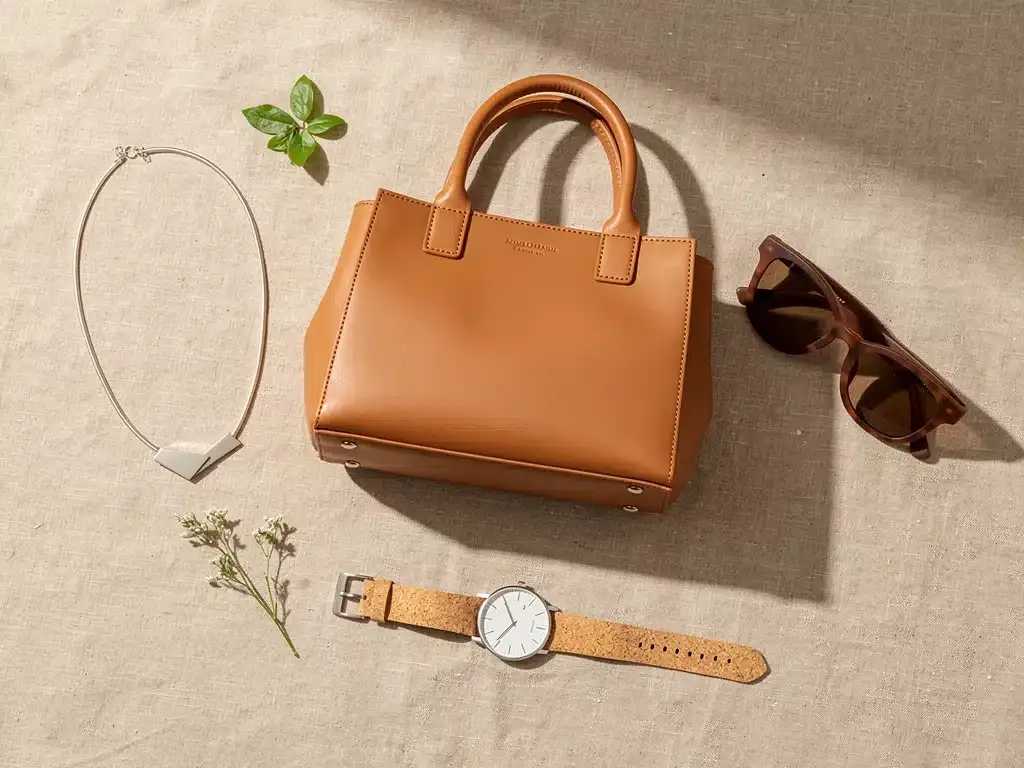
Elevating your personal style no longer means compromising your ethics, thanks to the rise of pioneering Sustainable Accessory Brands across the United States. Today, making a conscious fashion statement is all about choosing pieces that value the planet just as much as design.
The modern market is overflowing with cruelty-free materials, recycled metals, and upcycled textiles that dramatically reduce your carbon footprint. These environmentally responsible labels prove that luxury and circular fashion can seamlessly coexist in your wardrobe.
Choosing ethically crafted goods allows you to support fair-trade artisans while minimizing ecological waste. Discover the top eco-conscious innovators leading the green movement and learn how to upgrade your style with absolute peace of mind.
The Rise of Sustainable Accessory Brands in the US
The demand for eco-friendly products has surged, pushing accessory brands to adopt more sustainable practices. Consumers are increasingly scrutinizing supply chains and material sourcing, leading to a significant shift in market dynamics.
This movement is not just a trend but a fundamental change in consumer values and industry standards.
Anúncios
As 2026 approaches, the competitive landscape for sustainable accessories intensifies, with brands striving to differentiate themselves through genuine eco-conscious efforts.
The emphasis is on tangible reductions in environmental impact, moving beyond mere greenwashing. This commitment is reshaping product development and marketing strategies across the sector.
The industry is responding with a wave of innovation, from new material science to circular economy models, all aimed at creating a more responsible future. Identifying the Sustainable Accessory Brands in the US for 2026 involves evaluating their holistic approach to sustainability, encompassing everything from production to packaging.
Criteria for Identifying Top Sustainable Accessory Brands
Selecting the leading sustainable accessory brands requires a rigorous evaluation of their environmental and social impact. Key metrics include carbon footprint reduction, ethical labor practices, and the use of recycled or sustainably sourced materials.
Transparency in reporting these efforts is paramount for building consumer trust.
Brands must demonstrate a clear commitment to reducing their overall environmental footprint by at least 10%, a benchmark that signifies genuine progress.
This reduction can manifest in various ways, such as decreased water usage, lower energy consumption, or innovative waste reduction programs. Verifiable data and third-party certifications play a crucial role in this assessment.
Anúncios
Beyond environmental factors, ethical treatment of workers throughout the supply chain is a non-negotiable criterion. This includes fair wages, safe working conditions, and respect for human rights.
Brands that excel in both ecological stewardship and social responsibility are the ones truly defining the future of sustainable accessories.
Material Innovation and Circularity
The core of sustainable accessories lies in the materials used and their lifecycle. Brands are increasingly exploring alternatives to conventional resources, opting for recycled content, organic textiles, and innovative bio-based materials.
This push for material innovation aims to minimize reliance on virgin resources and reduce waste.
- Recycled plastics and metals are repurposed into stylish and durable accessories.
- Plant-based leathers from pineapple, mushrooms, or cactus offer cruelty-free alternatives.
- Organic cotton, hemp, and linen reduce the environmental impact associated with conventional agriculture.
Many leading brands are also embracing circular economy principles, designing products for longevity, repairability, and eventual recycling or composting.
This holistic approach ensures that accessories are not only sustainable in their creation but also throughout their entire lifespan, significantly contributing to the goal of 10% less impact.
Ethical Production and Supply Chain Transparency
Ethical production is a cornerstone of sustainability, ensuring that accessories are made under fair and safe conditions.
Consumers are increasingly demanding transparency regarding where and how products are made. Brands are responding by mapping their supply chains and sharing information about their manufacturing partners.
- Fair wages and safe working environments are guaranteed for all workers.
- Certifications like Fair Trade or SA8000 provide independent verification of ethical practices.
- Brands actively engage with local communities and support artisanal craftsmanship.
Transparency extends to disclosing environmental impact data, allowing consumers to make informed choices. This openness fosters trust and accountability, driving the entire industry towards higher standards of ethical conduct and environmental responsibility, aligning with the mission of the Sustainable Accessory Brands.
Brand Spotlight: Leading the Charge in Eco-Friendly Design
Several brands are already demonstrating exemplary commitment to sustainability, setting benchmarks for the industry.
These pioneers are not only producing beautiful accessories but are also actively investing in research and development to further reduce their environmental footprint. Their innovative approaches are inspiring widespread change.
These brands often engage in closed-loop systems, where materials are reused and waste is minimized at every stage of production.
Their dedication goes beyond compliance, extending to active participation in environmental conservation efforts and advocating for policy changes. They embody the spirit of making an eco-friendly statement with a significantly lower carbon footprint.
By focusing on longevity, timeless design, and responsible consumption, these brands encourage consumers to invest in quality over quantity. This shift in consumer behavior is critical for achieving a truly sustainable fashion ecosystem.
Their success underscores the growing market for genuinely ethical and environmentally conscious products.
1. Matt & Nat: Innovation in Vegan Leather
This brand has distinguished itself through its pioneering use of 100% recycled plastic bottles for its linings, alongside sustainable materials like cork and rubber to create high-quality accessories.
Their product line includes stylish handbags, backpacks, and wallets, all crafted with meticulous attention to detail and durability.
2. Pixie Mood: Cruelty-Free and Climate-Positive Style
By using innovative materials like solvent-free vegan leather and recycled plastics, this label ensures that fashion doesn’t cost the earth.
They prioritize transparent sourcing and offset their shipping emissions, making them a standout for conscious consumers looking to minimize their daily ecological impact.
3. Cuyana: Fewer, Better Things
Embodying the philosophy of classic utility and capsule wardrobes, this brand utilizes sustainable fabrics, certified organic cotton, and recycled cashmere.
Each accessory is designed with longevity in mind, encouraging consumers to move away from fast fashion and invest in pieces built to last.
4. Baggu: Revolutionizing the Reusable Marketplace
Known for their iconic, vibrant reusable totes made from 100% recycled ripstop nylon, this brand fights single-use plastic waste directly.
Their circular design model focuses on zero-waste patterns, ensuring that minimal fabric is discarded during the manufacturing process.
5. Nisolo: Climate Neutral and Socially Accountable Craftsmanship
This certified B Corp focuses on combatting climate change through verified carbon offsetting and guaranteed living wages for its global artisans.
Their collection features ethically sourced leather goods and hand-woven items, setting a golden standard for both environmental and social metrics.
6. Stella McCartney: Luxury Meets Circular Fashion
As a lifelong advocate for the planet, this luxury house avoids leather, fur, and feathers, opting instead for bio-based materials and recycled ocean plastics.
Their high-end accessories demonstrate that premium design and strict ecological responsibility can seamlessly coexist.
7. ABLE: Empowering Women and Traceable Supply Chains
Dedicated to ending generational poverty, this brand publishes its lowest wages to ensure total economic transparency while employing marginalized women.
Their minimalist jewelry and leather goods are made using responsibly managed resources, proving that beautiful accessories can support both human and environmental ecosystems.
Future Outlook: Regulatory Changes and Consumer Expectations
The landscape for sustainable accessory brands is also being shaped by evolving regulatory frameworks and increasing consumer expectations.
Governments are beginning to implement stricter environmental standards for manufacturing and product labeling, which will further incentivize sustainable practices. This legal push complements the market demand for ethical goods.
Consumers are becoming more educated about sustainability issues and are actively seeking brands that align with their values. They expect clear, verifiable information about a product’s environmental footprint and social impact.
This heightened awareness is driving brands to innovate and communicate their sustainability efforts more effectively, reinforcing the importance of the Sustainable Accessory Brands.
The future will likely see a greater integration of technology in tracking and verifying sustainability claims, from blockchain for supply chain transparency to AI for optimizing resource use.
These advancements will make it easier for consumers to identify truly sustainable options and for brands to demonstrate their commitment to an eco-friendly statement with 10% less impact.
Impact of Legislation on Sustainability Standards
New legislation, both at federal and state levels, is poised to significantly impact how sustainable accessory brands operate.
These regulations often focus on areas like waste reduction, chemical use, and carbon emissions, pushing companies to adopt more stringent environmental controls. Compliance will become a key factor in market access and consumer trust.
- Mandatory reporting on environmental impact and supply chain due diligence.
- Incentives for brands adopting circular economy models and innovative recycling technologies.
- Restrictions on certain non-biodegradable materials and hazardous chemicals in production.
These legislative changes aim to standardize sustainability claims, combating greenwashing and ensuring that brands genuinely contribute to environmental protection.
For the Sustainable Accessory Brands, this means a more level playing field where true eco-innovators can thrive.
Shifting Consumer Behavior and Market Demand
Consumer behavior is a powerful driver of sustainability in the accessory market. A growing segment of the population is actively seeking products that reflect their values, willing to pay a premium for ethically produced and environmentally friendly items.
This shift is compelling mainstream brands to integrate sustainability into their core business models.
- Increased preference for transparency and traceability in product sourcing.
- Demand for durable, high-quality accessories designed for longevity.
- Support for brands with clear social responsibility initiatives and community engagement.
The influence of social media and online communities in disseminating information about sustainable choices further amplifies this trend.
Brands that fail to adapt risk losing market share to more conscious competitors, underscoring the critical role of sustainable accessory brands US in meeting these evolving demands.
Challenges and Opportunities for Sustainable Accessory Brands
Despite the growing momentum, sustainable accessory brands face unique challenges, including higher production costs for eco-friendly materials and the complexity of managing ethical supply chains.
Overcoming these hurdles requires innovative business models and a strong commitment to their mission. The path to achieving an eco-friendly statement with 10% less impact is not without obstacles.
However, these challenges also present significant opportunities for differentiation and market leadership.
Brands that successfully navigate these complexities can build strong, loyal customer bases and establish themselves as pioneers in a rapidly expanding market. The demand for authentic sustainability is a powerful competitive advantage.
Collaboration across the industry, from material suppliers to retailers, is crucial for fostering collective progress. Sharing best practices and investing in joint research can accelerate the development of sustainable solutions.
This collaborative spirit is essential for the continued growth and impact of sustainable accessory brands US.
Measuring Impact: Beyond the 10% Reduction Goal
While a 10% reduction in environmental impact serves as a significant benchmark, leading sustainable accessory brands are often striving for even greater achievements.
Their efforts extend to broader initiatives such as reforestation projects, carbon neutrality, and supporting biodiversity. The goal is to move beyond minimizing harm to actively regenerating ecosystems.
These brands are implementing robust measurement frameworks, often utilizing life cycle assessments (LCAs) to quantify the environmental footprint of their products from raw material extraction to end-of-life.
This data-driven approach allows them to identify areas for improvement and demonstrate tangible progress towards their sustainability goals, reinforcing their position as top sustainable accessory brands US.
Ultimately, the aim is to create a positive impact, leaving the planet in a better state than before. This ambitious vision drives continuous innovation and collaboration, pushing the boundaries of what is possible in sustainable fashion.
The commitment to an eco-friendly statement with 10% less impact is merely a stepping stone towards a truly regenerative industry.
How Consumers Can Support Sustainable Accessory Brands
Consumers play a vital role in fostering the growth and success of sustainable accessory brands. By making informed purchasing decisions and supporting brands that align with their values, individuals can collectively drive significant change in the industry.
Every purchase is a vote for the kind of world we want to live in, making an eco-friendly statement with 10% less impact.
Educating oneself about sustainable materials, ethical labor practices, and circular economy principles is the first step.
Look for certifications and transparent reporting from brands. Engaging with brands on social media and providing feedback can also encourage further commitment to sustainability. Your choices directly influence the market.
Consider the longevity and versatility of accessories before purchasing. Investing in high-quality, timeless pieces from sustainable accessory brands US reduces the need for frequent replacements, minimizing overall consumption and waste.
Repairing and repurposing existing items also contributes to a more sustainable lifestyle.
| Key Aspect | Description |
|---|---|
| Environmental Impact | Brands targeting 10% less impact through material and process innovation. |
| Ethical Production | Fair labor practices and transparent supply chains are paramount. |
| Material Innovation | Focus on recycled, organic, and bio-based materials to reduce waste. |
| Consumer Role | Support brands through informed choices and advocating for sustainability. |
Frequently Asked Questions About Sustainable Accessories
What defines a sustainable accessory brand?▼A sustainable accessory brand prioritizes environmental and social responsibility throughout its entire lifecycle. This includes using eco-friendly materials, ensuring ethical labor practices, minimizing waste, and often aiming for a verifiable reduction in environmental impact, such as the 10% less impact benchmark. Transparency and certifications are also key indicators of genuine commitment.
Why is a 10% less impact goal important for 2026?▼The 10% less impact goal for 2026 serves as a measurable and achievable benchmark for brands to demonstrate tangible progress in sustainability. It pushes companies beyond basic compliance towards active reduction of their carbon footprint, water usage, and waste generation. This target encourages continuous improvement and accountability in the industry, making an eco-friendly statement with 10% less impact.
How can I verify a brand’s sustainability claims?▼To verify sustainability claims, look for third-party certifications like Fair Trade, GOTS, or B Corp, which indicate independent audits. Check the brand’s website for transparent reporting on their supply chain, material sourcing, and environmental impact data. Authentic sustainable accessory brands US are open about their practices and often provide detailed information to consumers.
Are sustainable accessories more expensive?▼Sustainable accessories can sometimes have a higher upfront cost due to ethical sourcing of materials, fair labor wages, and innovative production methods. However, they are often designed for durability and longevity, offering better value over time. Investing in fewer, higher-quality pieces from sustainable accessory brands US can be a more economical and environmentally conscious choice in the long run.
What role do consumers play in driving sustainable accessory brands?▼Consumers are crucial drivers of sustainability in the accessory market. By actively seeking out and supporting sustainable accessory brands US, making informed purchasing decisions, and demanding transparency, consumers create market demand for ethical products. Their choices encourage more brands to adopt sustainable practices and contribute to making an eco-friendly statement with 10% less impact across the industry.
Looking Ahead: The Evolving Landscape of Sustainable Fashion
The trajectory for sustainable accessory brands in the US is one of continuous evolution, driven by both consumer demand and regulatory pressures. The focus on making an eco-friendly statement with 10% less impact is just the beginning, with brands increasingly aiming for restorative practices.
Expect to see greater integration of technological solutions for transparency and impact measurement, ensuring that sustainability claims are verifiable and robust.
The market will reward those who genuinely commit to ethical production and environmental stewardship, solidifying the position of the Sustainable Accessory Brands as industry leaders.