Your 2026 Guide to Primer Perfection: Choosing the Right Formula for Your Skin Type
Anúncios
Ever wonder why your makeup seems to melt away by lunchtime despite using the finest foundation? Achieving a flawless, airbrushed base starts long before color application, and this primer perfection guide is your ultimate roadmap to securing an immaculate, budge-proof canvas that lasts all day in 2026.
The secret lies in choosing a specialized base coat engineered precisely for your unique complexion needs.
Whether you are looking to absorb excess oils, infuse deep hydration into flaky zones, or instantly blur out large pores, modern cosmetics offer high-tech formulations that act as a protective, life-extending barrier.
Stop guessing at the beauty counter and wasting money on products that work against your face. Let’s break down the latest texture innovations and expert matching techniques so you can finally unlock a radiant, smooth finish that enhances your natural beauty.
Understanding the Foundation of Flawless Makeup
The quest for a perfect makeup look begins long before the first swipe of foundation. A well-chosen primer sets the stage, creating an ideal canvas for subsequent products and ensuring their adherence and vibrancy throughout the day.
Anúncios
In 2026, the market offers an unprecedented array of primers, each designed with specific skin concerns and desired finishes in mind. Navigating this landscape requires a clear understanding of what each formula promises and how it interacts with your skin.
This foundational step is critical for anyone aiming for professional-grade results, whether for daily wear or special occasions. Achieving primer perfection guide is about more than just applying a product; it’s about strategic preparation.
The Role of Primer in Your Routine
Primer serves multiple functions, acting as a crucial intermediary between your skincare and makeup. It can smooth out skin texture, blur imperfections, control oil, hydrate dry patches, and even color-correct, providing a uniform base.
By creating a barrier, primer also protects your skin from direct contact with makeup, potentially reducing irritation and breakouts for sensitive individuals. It ensures that your foundation and concealer glide on effortlessly, preventing patchiness and creasing.
Ultimately, a good primer extends the wear of your makeup, making it resistant to fading, smudging, and creasing, especially in varying environmental conditions. This makes it an indispensable tool in any comprehensive beauty regimen.
- Smoothes skin texture for even makeup application.
- Extends makeup wear, preventing fading and creasing.
- Addresses specific skin concerns like oiliness, dryness, or redness.
Identifying Your Skin Type for Optimal Primer Selection
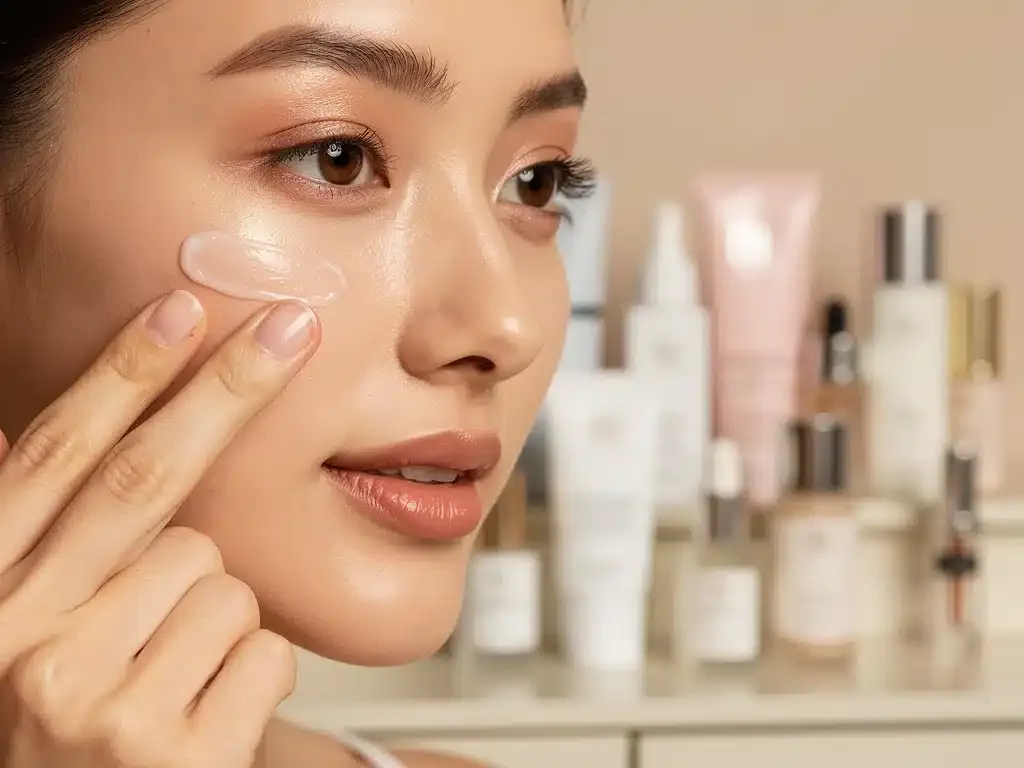
Choosing the right primer begins with an honest assessment of your skin type and its unique characteristics. Skin can generally be categorized as oily, dry, combination, sensitive, or mature, each requiring a distinct approach to priming.
Misidentifying your skin type can lead to primers that exacerbate existing issues, such as increased oil production or a flaky, dehydrated appearance. Accurate self-assessment is paramount for achieving true primer perfection.
Anúncios
This critical step ensures that the primer you select works synergistically with your skin, rather than against it, setting the stage for a truly radiant and long-lasting makeup application. This is a core tenet of our primer perfection guide.
Primers for Oily Skin
Individuals with oily skin often struggle with excess sebum production, leading to a shiny complexion and makeup that tends to slide off. Mattifying primers are specifically formulated to absorb excess oil and create a velvety, matte finish.
These primers typically contain ingredients like silica, dimethicone, or clay, which work to blur pores and control shine throughout the day. Opting for a lightweight, oil-free formula is crucial to prevent clogging pores and feeling heavy on the skin.
Applying a mattifying primer primarily to the T-zone or areas prone to oiliness can significantly improve makeup longevity. This targeted application helps to maintain a fresh look without over-drying other parts of the face.
Primers for Dry Skin
Dry skin types benefit immensely from hydrating primers that infuse the skin with moisture, creating a plump and dewy canvas. These primers often contain hyaluronic acid, glycerin, or botanical oils to nourish and soothe.
A hydrating primer helps to prevent makeup from settling into fine lines or clinging to dry patches, which can make the skin appear flaky or dull. It ensures a smooth, even application and a radiant, healthy-looking finish.
Look for primers with a creamy or balm-like texture that melt into the skin, providing a comfortable and supple feel. This step is essential for achieving a luminous glow and preventing makeup from looking cakey on dry complexions.
- Hydrating primers prevent makeup from clinging to dry patches.
- Ingredients like hyaluronic acid and glycerin nourish the skin.
- Creates a dewy, plump base for a luminous finish.
Tailoring Primer Choices for Combination and Sensitive Skin
Combination skin presents a unique challenge, as it requires a balanced approach to priming that addresses both oily and dry areas. This often involves strategic product application or even using different primers on different parts of the face.
Sensitive skin, on the other hand, demands gentle, hypoallergenic formulas free from potential irritants. Selecting the right primer for these skin types is crucial for comfort and optimal makeup wear.
Understanding these nuances is key to achieving a truly harmonious and comfortable makeup experience, ensuring that your primer enhances rather than hinders your skin’s natural balance. This is a vital part of your primer perfection guide.
Primers for Combination Skin
For combination skin, a multi-priming approach can be highly effective. A mattifying primer can be applied to the T-zone to control oil, while a hydrating or illuminating primer can be used on drier areas like the cheeks.
Alternatively, some brands offer primers specifically designed for combination skin, which aim to balance both oil control and hydration. These formulas often have a lightweight, gel-like consistency that adapts to different skin needs.
Experimentation is key to finding the perfect balance for your combination skin, ensuring that all areas of your face receive the appropriate treatment. This thoughtful approach leads to a more balanced and polished makeup look.
Primers for Sensitive Skin
Sensitive skin requires primers that are free from common irritants such as fragrances, dyes, parabens, and essential oils. Opt for formulas labeled as hypoallergenic, non-comedogenic, and dermatologically tested.
Silicone-based primers can be a good option for sensitive skin, as they create a smooth barrier without penetrating the skin. Always patch-test a new primer on a small area of your skin before full application to check for any adverse reactions.
Choosing a primer with soothing ingredients like aloe vera or chamomile can further benefit sensitive skin, providing comfort and reducing redness. Prioritizing gentle formulations ensures a comfortable and irritation-free makeup experience.
Specialized Primers: Addressing Unique Skin Concerns
Beyond the basic skin types, many individuals have specific concerns that require targeted primer solutions. These specialized primers are designed to tackle issues like redness, dullness, large pores, and fine lines, offering corrective benefits.
The beauty industry in 2026 continues to innovate, providing increasingly sophisticated formulas that not only prime but also treat the skin. Incorporating these into your routine can elevate your makeup game significantly.
Understanding the specific benefits of these primers allows for a more customized and effective approach to achieving your desired makeup finish. This advanced knowledge is an integral part of our primer perfection guide.
Color-Correcting Primers
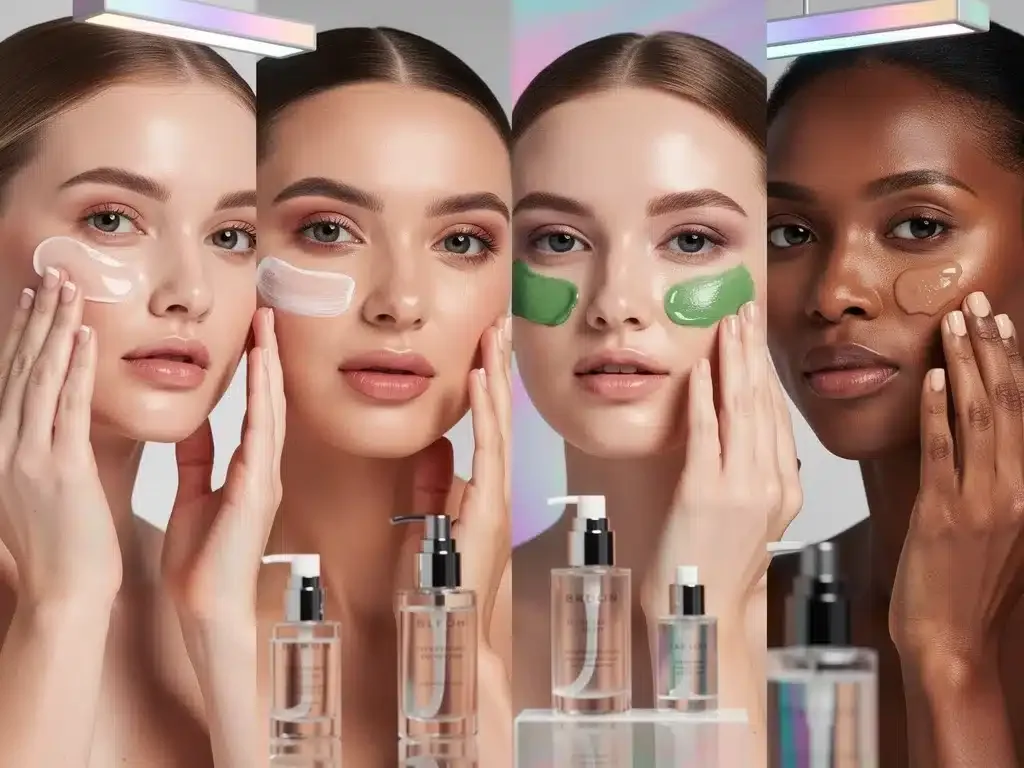
Color-correcting primers utilize complementary colors to neutralize specific skin tones before foundation application. Green primers counteract redness, making them ideal for those with rosacea or acne.
Lavender or purple primers can brighten dull, sallow complexions, restoring a healthy glow. Peach or orange primers are effective in concealing dark spots and hyperpigmentation, particularly for medium to deep skin tones.
Applying these primers strategically to specific areas of concern allows for a more even and balanced skin tone, reducing the amount of foundation or concealer needed. This results in a lighter, more natural-looking finish.
- Green primers neutralize redness from rosacea or acne.
- Lavender primers brighten dull or sallow skin tones.
- Peach/orange primers conceal dark spots and hyperpigmentation.
The Future of Primer: Innovations and Trends for 2026
The beauty landscape is constantly evolving, and 2026 brings exciting innovations in primer technology. We are seeing a greater emphasis on hybrid formulas that combine skincare benefits with makeup priming capabilities, reflecting a holistic approach to beauty.
Sustainable and clean beauty primers are also gaining significant traction, with brands focusing on ethically sourced ingredients and eco-friendly packaging. Consumers are increasingly seeking products that align with their values.
These trends indicate a shift towards more conscious and effective beauty routines, promising even more advanced solutions for achieving primer perfection guide. Staying informed about these developments is key to future-proofing your beauty regimen.
Hybrid Primers: Skincare Meets Makeup
Hybrid primers are at the forefront of beauty innovation, offering a fusion of skincare and makeup benefits. These multi-tasking products can include serums, SPF, antioxidants, or anti-aging ingredients alongside their priming functions.
This means you can streamline your routine, getting both skin treatment and a perfected base in one step. For instance, a primer might offer deep hydration while also providing a blurring effect, or protect against environmental stressors.
The convenience and efficacy of hybrid primers make them a popular choice for those seeking efficient and high-performance beauty solutions. They represent a significant leap towards truly integrated beauty products.
Sustainable and Clean Primer Options
The demand for sustainable and clean beauty products extends to primers, with many brands now offering formulas free from questionable ingredients. Consumers are prioritizing transparency in ingredient lists and ethical production practices.
Look for primers with certifications indicating organic, vegan, cruelty-free, or reef-safe formulations. Packaging innovation, such as refillable containers or biodegradable materials, also plays a crucial role in this growing segment.
Choosing sustainable primers not only benefits your skin but also contributes to a more responsible and environmentally friendly beauty industry. This conscious choice is becoming an increasingly important aspect of the primer perfection guide.
Application Techniques for Maximizing Primer Efficacy
Even the best primer won’t deliver optimal results without proper application. The technique you use can significantly impact how well the primer performs, affecting both makeup longevity and finish.
Understanding the correct amount to use and the best way to blend it into your skin is crucial for achieving a smooth, even base. Over-application or insufficient blending can lead to undesirable results.
Mastering these application techniques is a simple yet powerful way to enhance your makeup routine and ensure that your chosen primer works to its fullest potential. This is a practical aspect of your primer perfection guide.
Best Practices for Primer Application
Start with a clean, moisturized face, allowing your skincare products to fully absorb before applying primer. Dispense a pea-sized amount of primer onto your fingertips; a little goes a long way.
Gently spread the primer evenly across your face, focusing on areas where you want to address specific concerns like pores or oiliness. Use light, patting motions to press the product into the skin, rather than rubbing.
Allow the primer to set for a minute or two before proceeding with your foundation. This waiting period ensures the primer has time to create its barrier and grip for subsequent makeup layers, maximizing its effectiveness.
- Apply primer on a clean, moisturized face.
- Use a pea-sized amount; less is often more.
- Gently pat and blend, allowing it to set before foundation.
Common Primer Mistakes to Avoid
While primer is a powerful tool, certain application errors can undermine its effectiveness and even negatively impact your makeup. Being aware of these common mistakes can help you achieve better results.
From choosing the wrong formula to improper layering, these pitfalls are easily avoidable with a bit of knowledge and attention to detail. Correcting these habits is essential for anyone striving for primer perfection guide.
Understanding what not to do is just as important as knowing what to do when it comes to creating a flawless makeup base. This awareness helps ensure your efforts are always productive.
Troubleshooting Primer Issues
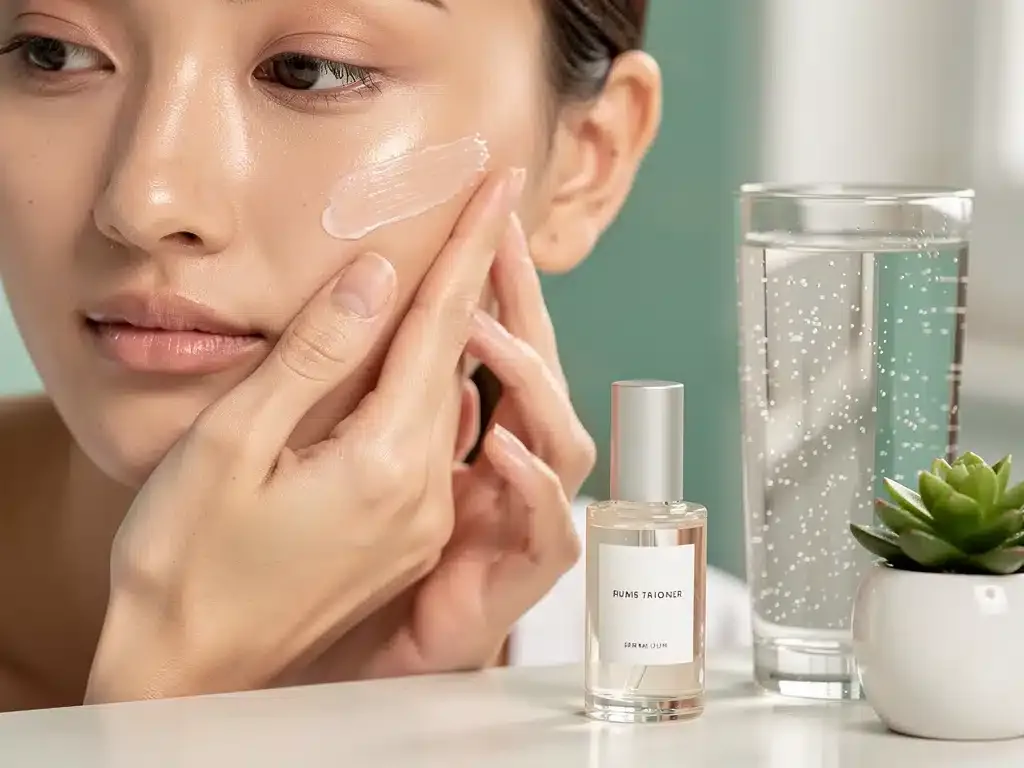
One common mistake is applying too much primer, which can lead to pilling or a heavy, greasy feeling. Use only a small amount and build up if necessary, but generally, a thin layer is sufficient.
Another error is not allowing the primer to set before applying foundation, which can cause products to mix and become patchy. Patience is key; give your primer a moment to dry down and create its intended base.
Using a primer that is incompatible with your foundation (e.g., a water-based primer with an oil-based foundation) can also lead to separation and a less-than-ideal finish. Always check ingredient lists for compatibility to ensure seamless layering.
The Longevity Factor: How Primer Extends Makeup Wear
The primary benefit of primer for many users is its ability to significantly extend the wear of makeup. By creating a smooth, adhesive layer, primer helps foundation, concealer, and even eyeshadow stay put for hours longer than they would on bare skin.
This extended wear is particularly valuable in humid climates, during long days, or for special events where touch-ups are minimal. The right primer acts as an invisible shield against environmental factors and natural skin oils.
Understanding how different primer formulas contribute to makeup longevity is key to selecting the most effective product for your needs. This is a critical component of achieving primer perfection guide.
Science Behind Extended Wear
Primers work by creating a physical barrier between your skin and your makeup. Silicone-based primers, for instance, form a smooth, breathable film that fills in pores and fine lines, providing an even surface for makeup to adhere to.
Mattifying primers absorb excess oil, preventing it from breaking down your foundation. Hydrating primers, on the other hand, prevent makeup from drying out and cracking on the skin, maintaining its fresh appearance.
Many primers also contain film-forming polymers that create a flexible, durable layer, effectively ‘locking’ makeup in place. This combination of barrier creation, oil control, and adhesion is what makes primers so effective at extending wear.
- Silicone primers create a smooth, adhesive film.
- Mattifying primers absorb oil to prevent breakdown.
- Hydrating primers stop makeup from drying and cracking.
| Key Aspect | Benefit |
|---|---|
| Skin Type Match | Ensures optimal performance and addresses specific concerns. |
| Hybrid Formulas | Combines skincare benefits with makeup priming for efficiency. |
| Proper Application | Maximizes primer efficacy and prevents common makeup issues. |
| Longevity Boost | Extends makeup wear, preventing fading and creasing throughout the day. |
Frequently Asked Questions About Primer Perfection
What is the most crucial step in choosing a primer?▼The most crucial step is accurately identifying your skin type and its specific needs. Whether you have oily, dry, combination, or sensitive skin, matching the primer formula to these characteristics ensures optimal results and prevents potential issues, leading to true primer perfection.
Can I use primer every day?▼Yes, you can absolutely use primer every day. Many primers are formulated with skincare benefits that can improve your skin over time. Ensure you choose a non-comedogenic formula that suits your skin type to prevent clogged pores and breakouts, contributing to your overall primer perfection guide.
Is there a difference between face primer and eye primer?▼Yes, there is a significant difference. Eye primers are specifically formulated for the delicate skin of the eyelids, designed to prevent eyeshadow creasing and intensify color. Face primers are typically thicker and address broader facial concerns like pores, oil, or dryness, essential for your primer perfection guide.
How do I know if my primer and foundation are compatible?▼Generally, water-based primers work best with water-based foundations, and silicone-based primers with silicone-based foundations. Mixing bases can cause pilling or separation. Check the first few ingredients of both products; if water is listed first for both, they are likely compatible, aiding your primer perfection guide.
What are hybrid primers and why are they trending in 2026?▼Hybrid primers combine makeup priming benefits with skincare ingredients like SPF, antioxidants, or hydrators. They are trending in 2026 due to their multi-tasking nature, offering efficiency and enhanced skin health in one product. This reflects a shift towards more integrated and beneficial beauty routines, as highlighted in our primer perfection guide.
Looking Ahead: The Evolving Landscape of Primer Perfection
The ongoing developments in primer technology continue to redefine what’s possible in makeup application. The emphasis on tailored solutions, sustainable practices, and hybrid formulations signals a future where beauty routines are more personalized and effective than ever before.
Consumers are increasingly empowered with knowledge, making informed choices that align with both their skin needs and ethical considerations. The journey to primer perfection guide is an evolving one, with continuous innovations promising even more refined and beneficial products.
Staying abreast of these trends and understanding the core principles of primer selection will ensure that your makeup remains flawless, long-lasting, and truly reflective of your individual style.