The Rise of Personalized Skincare: How AI-Driven Formulations Are Changing the Game in 2026
Anúncios
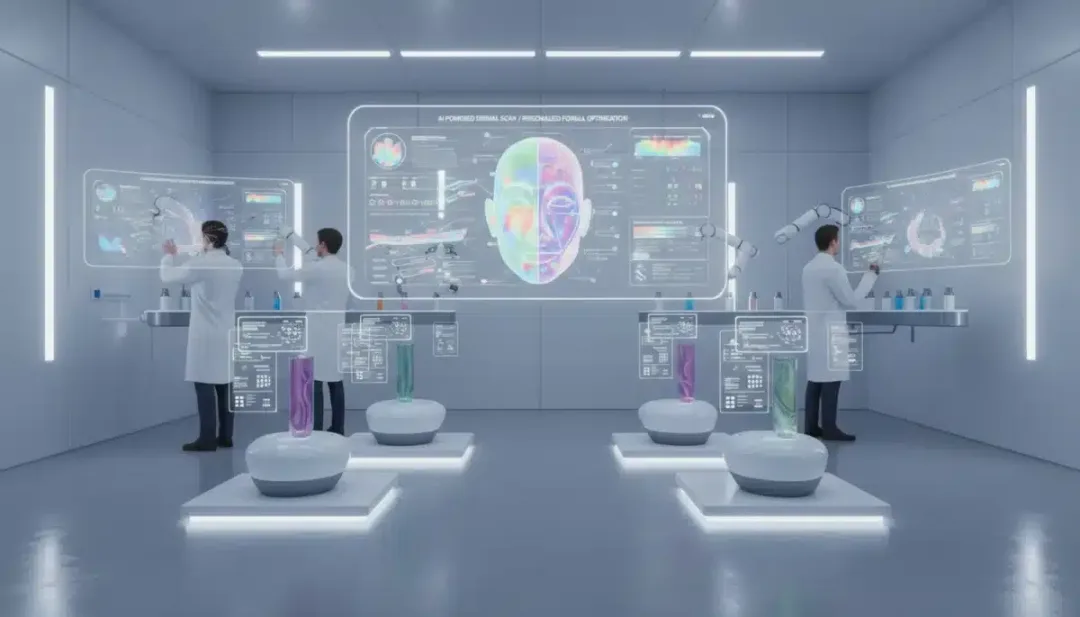
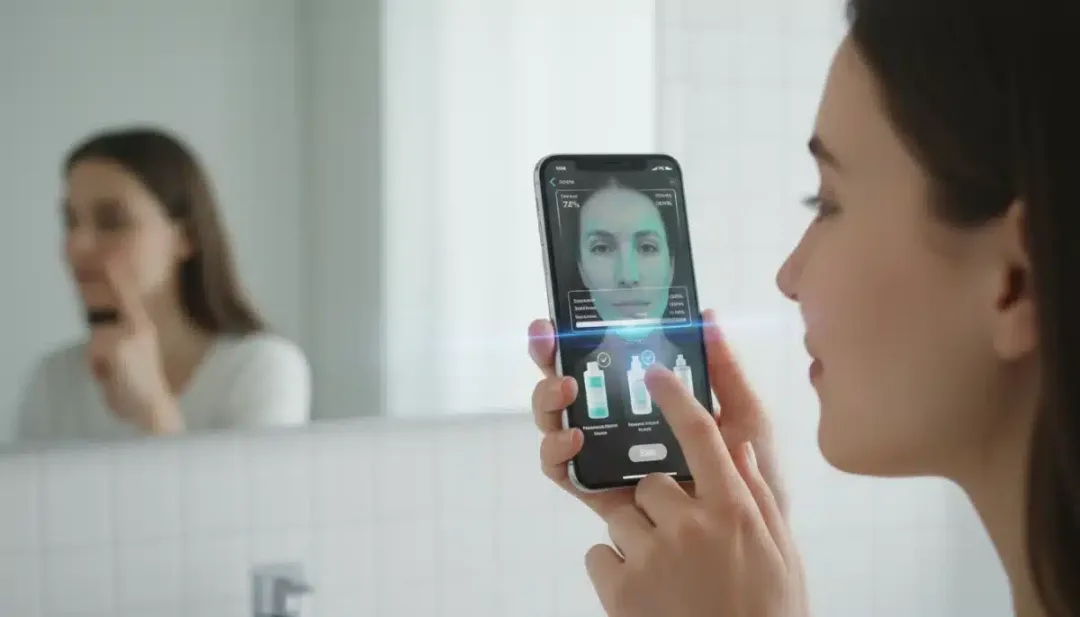
The generic era of “one-size-fits-all” beauty is officially over as Personalized Skincare takes center stage. In 2026, the intersection of dermatology and deep learning is turning your smartphone into a high-tech lab.
Advanced algorithms now analyze your unique genetic markers and environmental stressors to craft hyper-individualized regimens. This shift toward precision-based beauty ensures that every drop of your serum is optimized for your specific skin barrier needs.
As industry leaders unveil these data-driven innovations, the focus has moved from simple suggestions to bespoke chemical compositions. Discover how these intelligent, custom-tailored solutions are redefining self-care standards across the United States today.
The Genesis of Personalized Skincare AI
The concept of personalized skincare isn’t entirely new, but its current manifestation, powered by AI, represents a significant leap forward. Early attempts at customization often relied on broad questionnaires or limited data points, offering a relatively superficial level of personalization.
Today, sophisticated algorithms analyze vast datasets, including genetic predispositions, microbiome profiles, environmental exposures, and even lifestyle choices.
Anúncios
This comprehensive approach allows for an unparalleled precision in identifying individual skin needs and designing highly effective solutions.
The integration of AI in skincare formulation began gaining traction in the late 2010s, with early innovators exploring how machine learning could predict ingredient efficacy based on biological markers.
By 2026, these initial experiments have evolved into fully fledged systems capable of dynamic, real-time adjustments to product compositions.
AI’s Role in Decoding Skin Biology
Artificial intelligence excels at processing complex data patterns that are often imperceptible to the human eye, making it an invaluable tool for understanding skin biology.
This capacity allows for the identification of subtle indicators of skin health, potential issues, and optimal ingredient responses.
Companies are leveraging AI to analyze high-resolution images, genetic data from saliva or skin swabs, and even environmental pollution levels in specific geographic areas.
This multi-faceted data collection provides a holistic view of an individual’s skin, forming the bedrock for truly personalized recommendations.
Anúncios
The precision offered by personalized skincare AI means that formulations can target specific concerns like hyperpigmentation, sensitivity, or premature aging with unprecedented accuracy.
This moves away from the ‘one-size-fits-all’ approach that has long dominated the mass-market beauty industry.
Advanced Diagnostic Capabilities
AI-powered diagnostic tools are at the forefront of this revolution, utilizing machine learning to interpret complex skin conditions. These tools can identify nuances in skin texture, pore size, hydration levels, and even early signs of inflammation with remarkable accuracy.
According to recent reports, some platforms integrate data from wearable sensors that monitor environmental factors like UV exposure and humidity, further refining the diagnostic process.
This continuous feedback loop ensures that personalized formulations remain relevant and effective as conditions change.
The ability to provide a detailed, data-driven skin assessment empowers consumers with knowledge about their skin, fostering a more proactive and informed approach to skincare. This transparency builds trust and reinforces the value proposition of personalized skincare AI.
- High-resolution imaging analysis for texture and tone.
- Genetic profiling to understand predispositions.
- Environmental factor monitoring for adaptive solutions.
- Microbiome analysis for gut-skin axis health.
Precision Formulation and Ingredient Selection
Once skin biology is decoded, AI takes over the intricate task of precision formulation, selecting the optimal combination of ingredients to address identified needs. This goes beyond simply adding popular active ingredients; it’s about synergistic combinations and precise concentrations.
AI algorithms can sift through vast databases of scientific literature, ingredient efficacy studies, and safety profiles in moments, a task that would be impossible for human formulators.
This ensures that every ingredient chosen is not only effective but also safe and compatible with the individual’s unique profile.
The result is a skincare product that is specifically engineered for one person, maximizing its potential for positive outcomes and minimizing the risk of adverse reactions. This level of customization is a hallmark of personalized skincare AI in 2026.
Optimizing Ingredient Synergy
The true power of AI in formulation lies in its ability to predict ingredient interactions and optimize synergy. Certain compounds work better together, while others can neutralize each other or even cause irritation.
AI models can simulate these interactions at a molecular level, ensuring that the final product delivers maximum efficacy without compromise. This scientific rigor underpins the advancements in personalized skincare AI.
For example, an AI might recommend a specific antioxidant blend to counteract urban pollution for a city dweller, while suggesting a different combination of ceramides and humectants for someone living in a dry climate, all based on their individual skin scan and environmental data.
- AI-driven selection of active ingredients.
- Precise dosage and concentration recommendations.
- Identification of potential ingredient incompatibilities.
- Dynamic adjustment of formulations based on user feedback.
Manufacturing and Delivery of Custom Products
The advancements in AI-driven formulation necessitate equally sophisticated manufacturing and delivery systems. The traditional mass-production model is being rethought to accommodate the creation of individual, small-batch products.
Automated micro-factories and 3D printing technologies are emerging as key players in this new paradigm. These facilities can rapidly produce customized formulations on demand, minimizing waste and ensuring freshness of ingredients.
Logistics are also being optimized by AI, ensuring that these bespoke products reach consumers efficiently and sustainably. This end-to-end integration is vital for the scalability and success of personalized skincare AI.
On-Demand Production Models
The shift towards on-demand production is a game-changer for the skincare industry. Instead of producing large quantities of generic products, companies can now manufacture exactly what is needed, when it is needed.
This approach significantly reduces inventory costs and product obsolescence, while also allowing for greater agility in responding to evolving consumer needs and scientific discoveries. It’s a lean and efficient model driven by personalized skincare AI.
Furthermore, the ability to produce fresh batches ensures the potency of active ingredients, which can degrade over time in conventionally stocked products. This freshness contributes directly to the efficacy of the personalized treatments.
Ethical Considerations and Data Privacy
The extensive collection and analysis of personal data inherent in personalized skincare AI raise important ethical questions, particularly concerning data privacy and security. Consumers are increasingly aware of the value of their personal information.
Companies at the forefront of this technology are implementing robust encryption and anonymization protocols to protect sensitive genetic and health data. Transparency about data usage and explicit consent are becoming industry standards.
Regulatory bodies are also working to establish clear guidelines to ensure consumer protection, balancing innovation with privacy rights. This careful navigation of ethical landscapes is crucial for the long-term adoption of personalized skincare AI.
Ensuring Data Security
Securing vast amounts of sensitive personal data is paramount for companies operating in the personalized skincare AI space. Breaches could severely erode consumer trust and lead to significant legal repercussions.
Advanced cybersecurity measures, including blockchain technology for data provenance and multi-factor authentication, are being deployed to safeguard consumer information. Regular audits and compliance checks are also essential.
Moreover, clear communication about data handling policies helps build confidence. Consumers need to understand how their data is used, who has access to it, and how they can control its dissemination, as mandated by privacy regulations.
The Future Landscape of Skincare in 2026 and Beyond
Looking ahead to 2026 and beyond, personalized skincare AI is poised to redefine the entire beauty landscape.
The generic product aisle may become a relic of the past, replaced by highly specific, dynamic solutions tailored to individual biological rhythms and environmental conditions.
This shift will likely foster a deeper connection between consumers and their skincare routines, as products become genuinely responsive to their evolving needs. The emphasis will move from aspirational marketing to demonstrable efficacy and scientific validation.
Furthermore, the insights gained from aggregated, anonymized data on personalized skincare will fuel further research and development, leading to even more advanced and effective treatments. This continuous cycle of innovation is a hallmark of the AI revolution in beauty.

Integration with Health and Wellness
The lines between skincare and overall health and wellness are blurring, with personalized skincare AI acting as a bridge. Skin health is increasingly recognized as a mirror of internal well-being, influenced by diet, stress, and sleep.
Future iterations of personalized skincare solutions may integrate data from health trackers and wellness apps, offering holistic recommendations that span beyond topical applications. This could include dietary advice or stress management techniques to support skin health.
This integrated approach promises a more comprehensive path to radiant skin and overall vitality, making skincare a more integral part of a proactive health regimen. The synergy between AI-driven skincare and broader wellness trends is undeniable.
| Key Point | Brief Description |
|---|---|
| AI Diagnostics | Advanced tools decode skin biology using genetic, environmental, and visual data. |
| Precision Formulation | Algorithms select optimal ingredients and concentrations for bespoke products. |
| Custom Manufacturing | On-demand production systems create fresh, individualized skincare solutions efficiently. |
| Data Privacy | Robust protocols and clear guidelines ensure consumer data protection and trust. |
Frequently Asked Questions About Personalized Skincare AI
What exactly is personalized skincare AI?▼Personalized skincare AI refers to the use of artificial intelligence to analyze an individual’s unique skin characteristics, genetic makeup, and environmental factors. Based on this data, AI algorithms then formulate custom skincare products specifically tailored to address that person’s precise needs and concerns, moving beyond generic solutions.
How does AI analyze my skin?▼AI analyzes skin through various methods, including high-resolution image processing to assess texture, tone, and pore size. It can also integrate genetic data, information from lifestyle questionnaires, and real-time environmental data like UV exposure from connected devices. This comprehensive data forms a precise skin profile.
Are AI-driven formulations safer than traditional products?▼AI-driven formulations aim for enhanced safety by precisely selecting ingredients and their concentrations based on individual compatibility and known sensitivities. By minimizing unnecessary ingredients and optimizing active ones, the risk of adverse reactions can be reduced compared to mass-market products that must cater to a broad audience.
What about the cost of personalized skincare AI products?▼Initially, personalized skincare AI products may carry a higher price point due to the advanced technology, custom formulation, and specialized manufacturing processes involved. However, as technology scales and adoption increases, costs are expected to become more competitive, making these solutions more accessible to a wider market.
How will personalized skincare AI evolve by 2026?▼By 2026, personalized skincare AI is expected to become more integrated into daily life, with seamless diagnostic tools and on-demand manufacturing becoming standard. We will see greater integration with overall health and wellness platforms, offering holistic advice that extends beyond just topical applications for comprehensive well-being.
Looking Ahead
The advancements in personalized skincare AI signify a monumental shift in the beauty industry, moving towards a future where skincare is as unique as an individual’s fingerprint.
This evolution promises not just more effective treatments but also a deeper understanding of skin health, integrating seamlessly with broader wellness trends.
Consumers and brands alike must adapt to this new paradigm, focusing on data-driven solutions and ethical considerations as personalized skincare AI continues to redefine beauty standards.