The Future of Footwear: 5 Innovative Shoe Technologies Set to Dominate 2026 Fashion
Anúncios
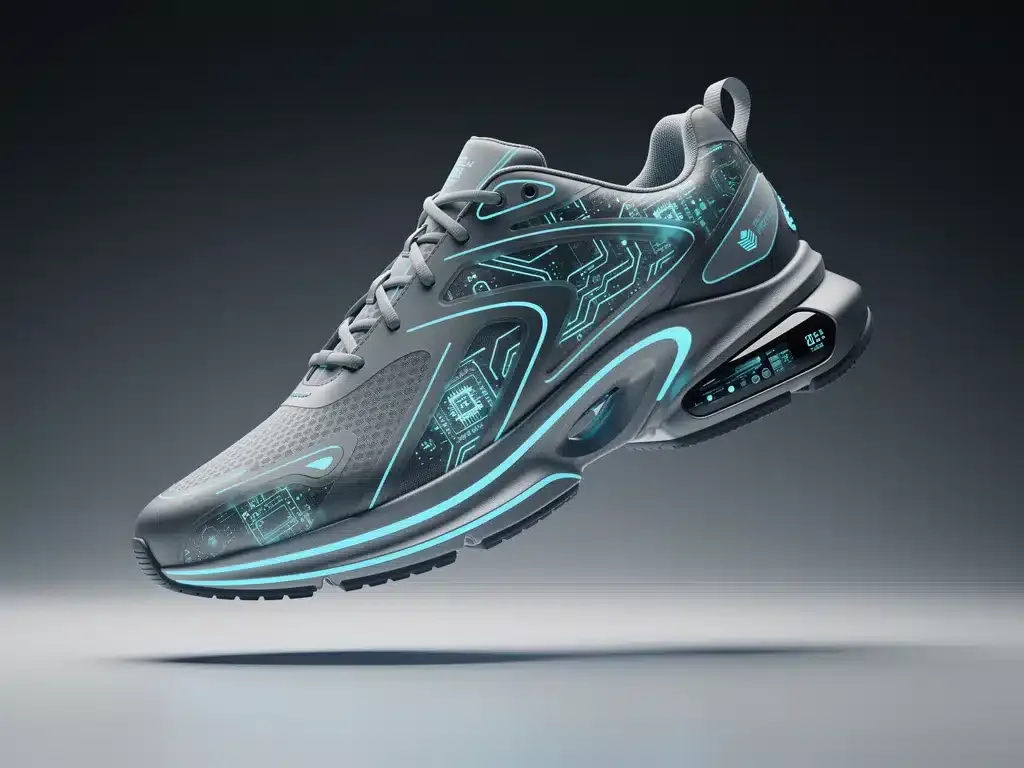
The shoes in your closet are about to become the smartest gadgets you own. The explosive rise of groundbreaking Future Footwear Technologies is completely revolutionizing what we put on our feet, turning traditional sneakers into high-performance, responsive gear.
From self-regulating cushioning systems to biodegradable smart fabrics, the modern shoe industry is completely shattering the boundary between fashion and biotechnology.
These state-of-the-art manufacturing breakthroughs prioritize hyper-personalized comfort and sustainable engineering like never before.
Stepping into this new era of athletic and casual wear means demanding more than just a sleek design. Embracing these advanced design innovations ensures your stride is fully optimized for peak physical performance and maximum environmental responsibility.
The Rise of Smart Materials and Adaptive Footwear
The innovation in material science is fundamentally changing what shoes can do, moving beyond traditional leather and synthetics.
Anúncios
Manufacturers are now integrating advanced polymers and responsive fabrics that adapt to the wearer’s foot and environment, offering unprecedented levels of comfort and performance. These smart materials are key to understanding the Future Footwear Technologies.
These new materials are engineered to respond to various stimuli, including temperature, pressure, and moisture, providing dynamic support and breathability.
This adaptability ensures that footwear can optimize its properties throughout the day, enhancing comfort and reducing wear-related issues. The integration of these materials signals a significant shift in design philosophy.
The focus is on creating footwear that feels like a second skin, offering a personalized experience that traditional materials simply cannot match.
This evolution is not just about comfort; it is also about durability and sustainability, as many of these materials are designed for longevity and recyclability, aligning with broader ecological goals in the fashion industry.
Phase-Change Materials for Thermal Regulation
Phase-change materials (PCMs) are being incorporated into shoe linings and insoles to regulate foot temperature, maintaining optimal comfort in varying climates.
These materials absorb and release heat as needed, preventing overheating or excessive cold, a crucial feature for performance and everyday wear.
Anúncios
- PCM integration optimizes foot temperature, reducing discomfort.
- Enhanced thermal regulation improves overall wearer experience.
- Applications range from athletic shoes to casual and formal wear.
The science behind PCMs involves microencapsulated compounds that transition between solid and liquid states within a specific temperature range.
This process allows them to effectively manage heat flow, keeping feet dry and comfortable regardless of external conditions. This technology is becoming a cornerstone of advanced footwear design.
Self-Fitting and Adaptive Uppers
Adaptive uppers utilize stretchable, responsive textiles that conform precisely to the foot’s shape, eliminating common fit issues and pressure points.
These materials often incorporate intricate weaving patterns or embedded sensors to provide dynamic adjustments, ensuring a perfect fit throughout the day, which is essential for the Future Footwear Technologies.
This technology moves beyond simple elasticity, employing advanced knitting techniques and material compositions that offer targeted support where needed.
The result is a shoe that feels custom-made, reducing the likelihood of blisters and discomfort, and significantly improving the overall ergonomic experience for the wearer. The focus is on a seamless, intuitive fit.
Companies are experimenting with smart fibers that can change their structure in response to movement or swelling, providing a truly dynamic fit.
This innovation holds particular promise for athletic footwear, where precise support and adaptability are critical for injury prevention and performance optimization. The personalized fit is a major draw for consumers.
The integration of smart textiles also extends to moisture-wicking and antimicrobial properties, ensuring hygiene and freshness.
This multi-functional approach to material science is driving the next generation of footwear, making shoes more than just protective coverings. They are becoming active components of personal comfort and well-being.
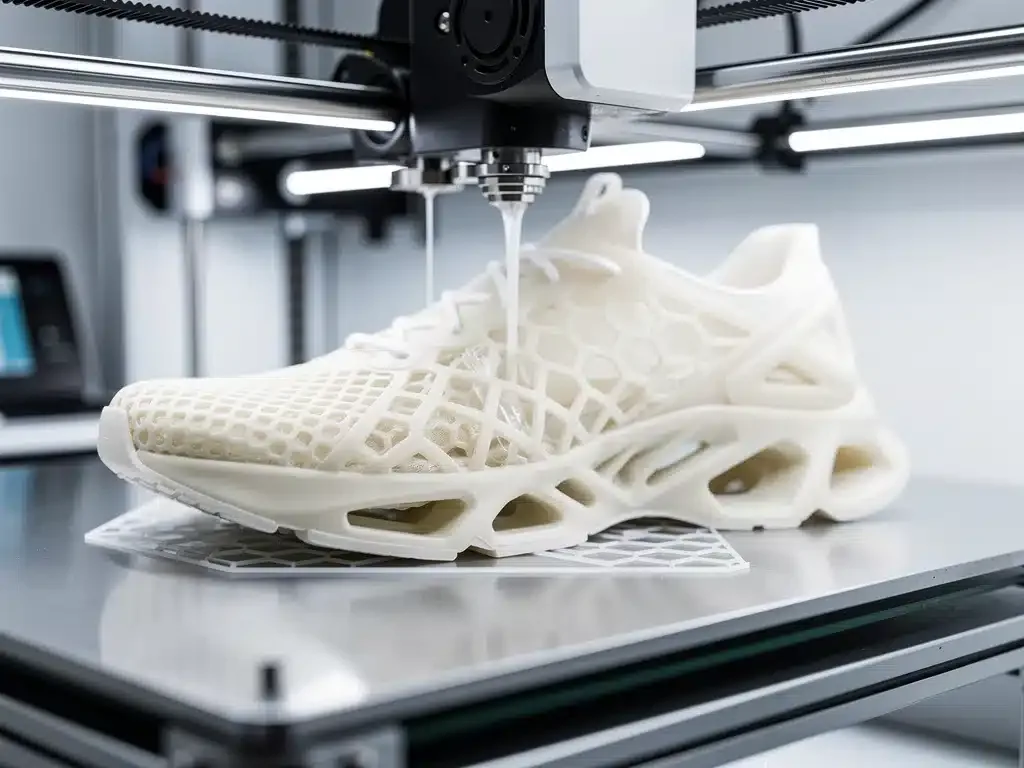
Additive Manufacturing: The Era of 3D-Printed Footwear
3D printing, or additive manufacturing, is revolutionizing how shoes are produced, enabling unprecedented design freedom, rapid prototyping, and on-demand production.
This technology allows for the creation of complex geometries and lattice structures that are impossible with traditional manufacturing methods, leading to lighter, more supportive, and more comfortable shoes. The impact of this technology on the Future Footwear Technologies is immense.
The ability to print shoes layer by layer also opens up possibilities for customized footwear tailored to individual foot scans, addressing unique biomechanical needs.
This level of personalization promises to significantly enhance performance for athletes and provide superior comfort for everyday wearers. The precision offered by 3D printing is a game-changer.
Furthermore, additive manufacturing reduces material waste, aligns with sustainable production practices, and allows for localized manufacturing, cutting down on transportation costs and carbon footprint.
This environmental benefit is a significant factor in its growing adoption across the footwear industry, marking a greener path forward for shoe production.
Customized Midsoles for Enhanced Performance
3D printing allows for the creation of midsoles with variable densities and intricate lattice structures, precisely engineered to provide optimal cushioning and support based on an individual’s gait analysis and pressure mapping.
This customization leads to improved shock absorption and energy return, enhancing athletic performance and reducing injury risk.
Traditional manufacturing often relies on standardized molds, limiting the ability to tailor cushioning to specific needs. With 3D printing, designers can create bespoke midsoles that perfectly match the wearer’s biomechanics, offering a truly personalized experience.
This level of precision was previously unattainable in mass production, and it is a key component of the Future Footwear Technologies.
The material used in these 3D-printed midsoles can also be varied within a single structure, allowing for different zones of firmness and flexibility.
This fine-tuned control over material properties ensures that every part of the foot receives the exact support it requires, leading to unparalleled comfort and efficiency in movement. It’s a significant leap in footwear engineering.
On-Demand Production and Reduced Waste
Additive manufacturing facilitates on-demand production, meaning shoes can be manufactured only when ordered, significantly reducing inventory waste and overproduction.
This lean approach minimizes environmental impact and allows for greater agility in responding to market trends, making it a sustainable choice for the industry.
- Reduced material waste due to precise layering.
- On-demand production minimizes excess inventory.
- Faster response to consumer demand and trends.
The ability to produce shoes locally also shortens supply chains, further decreasing the carbon footprint associated with transportation.
This shift towards localized and demand-driven manufacturing is a critical step towards a more sustainable and efficient footwear industry, benefiting both businesses and the planet. It represents a paradigm shift in logistics.
Moreover, the digital nature of 3D printing allows for easy iteration and modification of designs, fostering continuous innovation without the need for expensive tooling changes.
This flexibility enables brands to quickly adapt to consumer feedback and introduce new models with greater frequency, staying ahead in a competitive market. The agility is a major advantage.
Integrated Wearable Technology and Smart Shoes
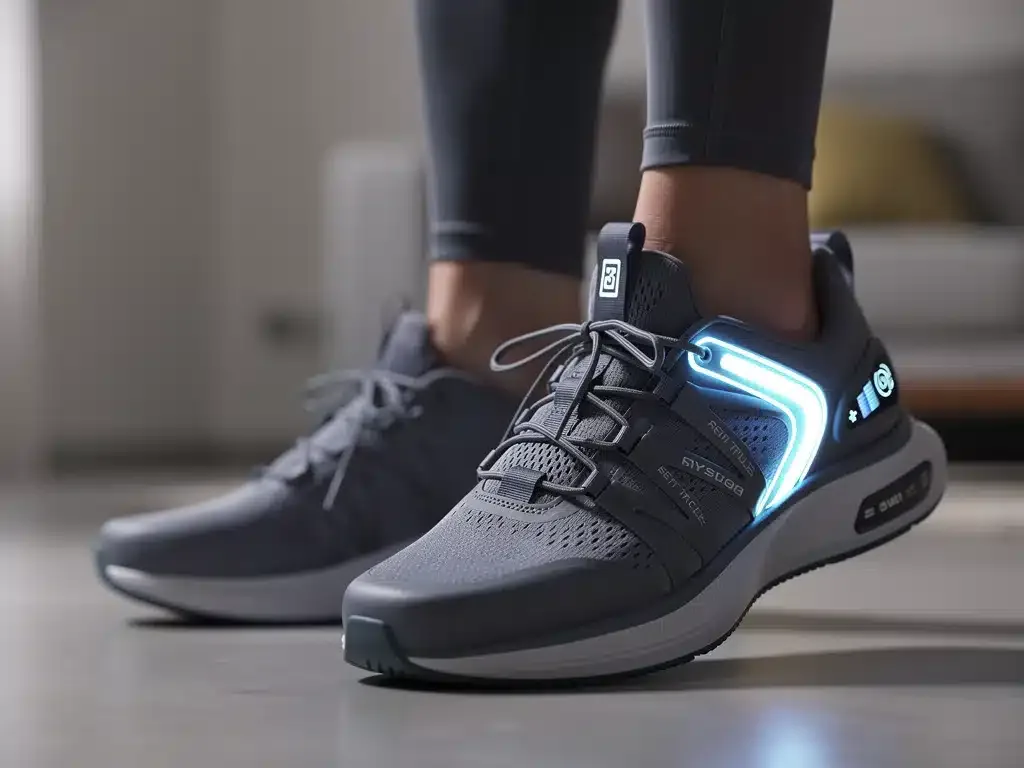
The convergence of footwear and technology is leading to the development of smart shoes equipped with sensors and connectivity, offering a range of functionalities beyond traditional protection.
These intelligent shoes can track activity, monitor health metrics, and even provide navigation, transforming footwear into a powerful personal assistant. This integration defines a significant aspect of the Future Footwear Technologies.
These smart shoes are designed to seamlessly connect with smartphones and other devices, providing real-time data and insights to the wearer.
From monitoring steps and calories burned to analyzing gait and posture, the data collected can be invaluable for fitness enthusiasts, health-conscious individuals, and those seeking to improve their overall well-being. The potential applications are vast.
The technology is becoming increasingly discreet, with sensors embedded imperceptibly within the shoe’s structure, maintaining aesthetic appeal while delivering advanced functionality.
This blend of form and function is crucial for mainstream adoption, as consumers seek devices that enhance their lives without compromising on style. The evolution of smart footwear is truly exciting.
Gait Analysis and Performance Optimization
Smart shoes with embedded pressure sensors and accelerometers can perform real-time gait analysis, providing detailed feedback on foot strike, pronation, and balance.
This data is invaluable for athletes seeking to optimize their running form, prevent injuries, and improve overall performance, offering a scientific approach to training.
Coaches and physical therapists can utilize this information to create highly personalized training programs and rehabilitation strategies.
The immediate feedback allows for instant adjustments, making training more effective and efficient. This level of biomechanical insight was once only available in specialized labs, but now it’s accessible through everyday footwear.
Beyond athletics, gait analysis can also assist individuals with mobility issues, helping them to improve balance and reduce fall risk.
The continuous monitoring capabilities of smart shoes offer a proactive approach to health and wellness, making them an essential tool for a wide range of users. This is a crucial area for Future Footwear Technologies.
Self-Lacing and Adaptive Fit Systems
Inspired by futuristic concepts, self-lacing shoes are becoming a reality, utilizing miniature motors and sensors to automatically adjust tightness for a perfect, personalized fit.
This technology not only offers convenience but also provides dynamic support, adapting to foot swelling or changing activity levels throughout the day.
- Automatic adjustment for optimal fit and comfort.
- Dynamic support adapts to changing foot conditions.
- Enhanced convenience, especially for individuals with mobility challenges.
These systems often incorporate user preferences, allowing for customization of fit through a mobile app. The ability to fine-tune tightness ensures maximum comfort and reduces pressure points, making long periods of wear significantly more enjoyable. This innovation is transforming the user experience for the better.
Furthermore, adaptive fit systems can also improve safety, particularly in activities where a secure fit is paramount, like hiking or running.
The elimination of loose laces and the consistent support provided by these systems contribute to a safer and more stable experience. The convergence of technology and convenience is a hallmark of these advancements.
Sustainable and Biodegradable Footwear Solutions
The environmental footprint of the footwear industry is a growing concern, driving innovation towards sustainable and biodegradable materials and manufacturing processes.
Brands are increasingly investing in eco-friendly alternatives to traditional petroleum-based plastics and resource-intensive leather, aiming for a circular economy in shoe production. This commitment to sustainability is a core pillar of the Future Footwear Technologies.
These solutions encompass everything from materials derived from plant-based sources, like mushroom leather and algae foam, to designs that facilitate easy disassembly and recycling at the end of a shoe’s life.
The goal is to minimize waste, conserve resources, and reduce the overall environmental impact of footwear production. This is a critical ethical and business imperative.
Consumers are increasingly prioritizing sustainable products, pushing brands to adopt more responsible practices.
This shift is not just about compliance but about genuine innovation in material science and production techniques, creating shoes that are both high-performing and environmentally conscious. The future of fashion is undeniably green.
Plant-Based and Bio-Derived Materials
Innovations in material science are leading to the widespread adoption of plant-based and bio-derived alternatives for traditional shoe components.
Materials like mycelium-based leather, pineapple leaf fibers, and algae-based foams are offering sustainable options for uppers, midsoles, and outsoles, drastically reducing reliance on fossil fuels and animal products.
These materials often possess properties comparable to, or even superior to, their conventional counterparts, including durability, flexibility, and breathability.
The development of these biomaterials is a complex process, involving advanced biotechnology and chemical engineering to ensure they meet the rigorous demands of footwear performance. This is a significant step towards a truly sustainable industry.
The cultivation and processing of these plant-based materials also tend to have a lower environmental impact, requiring less water, land, and energy.
This holistic approach to sustainability, from sourcing to disposal, is defining the next generation of eco-conscious footwear. It’s about creating products that are good for both people and the planet, reflecting the essence of Future Footwear Technologies.
Circular Design and Recyclability
The concept of circular design is gaining traction, where shoes are designed from the outset to be easily disassembled and their components recycled or composted.
This approach aims to eliminate waste by keeping materials in use for as long as possible, closing the loop on footwear production and consumption.
- Shoes designed for easy disassembly and material recovery.
- Emphasis on single-material components for simpler recycling.
- Partnerships with recycling facilities to process end-of-life products.
Brands are exploring innovative bonding techniques that allow for easy separation of different materials, making recycling more efficient.
This includes using dissolvable glues or mechanical fasteners instead of permanent adhesives. The entire lifecycle of the shoe is considered, from raw material to end-of-life, ensuring minimal environmental impact.
Furthermore, take-back programs and partnerships with specialized recycling facilities are becoming more common, providing consumers with clear pathways to responsibly dispose of their old shoes.
This collaborative effort across the supply chain is essential for achieving a truly circular economy in footwear. It’s a collective responsibility for the industry.
Personalized Fit and Comfort Technologies
Beyond adaptive materials, the pursuit of personalized fit and comfort is driving innovations that cater to the unique needs of each individual.
Technologies like custom molding, pressure mapping, and AI-driven design are allowing for footwear that is precisely tailored to the wearer’s anatomy and preferences, delivering an unparalleled experience. This commitment to individuality is central to the Future Footwear Technologies.
The goal is to eliminate the compromise often associated with off-the-shelf footwear, where a ‘standard’ size may not perfectly accommodate everyone.
By leveraging advanced scanning and analytical tools, brands can create shoes that feel custom-made, reducing discomfort and improving overall foot health. This is a significant advancement for consumer well-being.
This personalization extends beyond just fit, encompassing cushioning, support, and even aesthetic preferences, allowing consumers to have a greater say in the design and functionality of their shoes.
The rise of mass customization is making truly bespoke footwear accessible to a wider audience, revolutionizing the retail experience.
Biometric Scanning and Custom Insoles
Advanced biometric scanning technologies capture precise 3D models of individual feet, allowing for the creation of custom insoles and shoe lasts.
These personalized components address specific arch support needs, pressure distribution, and biomechanical alignment, significantly enhancing comfort and reducing the risk of foot-related ailments.
The scanning process is quick and non-invasive, providing highly accurate data that informs the design of bespoke footwear.
This technology is particularly beneficial for individuals with specific foot conditions, such as pronation, supination, or plantar fasciitis, offering targeted support that generic insoles cannot provide. It is a medical-grade approach to footwear comfort.
Combined with 3D printing, custom insoles can be rapidly manufactured from various materials, allowing for different levels of cushioning and rigidity.
This integration of scanning and additive manufacturing creates a powerful synergy, delivering truly personalized comfort solutions that were once prohibitively expensive. This is a key development for the Future Footwear Technologies.
AI-Driven Design and Predictive Comfort
Artificial intelligence (AI) is being utilized to analyze vast datasets of foot morphology, gait patterns, and material properties to predict optimal shoe designs for individual users.
AI algorithms can simulate how different designs and materials will interact with a specific foot, identifying the most comfortable and supportive configurations before physical prototypes are even made.
- AI analyzes foot data for optimal design recommendations.
- Predictive modeling reduces trial-and-error in design.
- Customized comfort profiles for diverse user needs.
This AI-driven approach significantly accelerates the design process, reducing development costs and time to market.
It also allows for a level of design complexity and optimization that would be impossible for human designers alone, pushing the boundaries of what is achievable in footwear engineering. AI is becoming an indispensable tool for innovation.
Furthermore, AI can learn from user feedback and performance data, continuously refining its recommendations and improving the accuracy of its predictive models.
This iterative learning process ensures that future footwear designs become even more attuned to individual comfort and performance needs. The feedback loop is crucial for continuous improvement.
Advanced Robotics and Automated Production
The integration of advanced robotics and automation into footwear manufacturing is streamlining production processes, improving efficiency, and ensuring consistent quality.
Robots can perform intricate tasks with precision and speed, from cutting and stitching to assembly, reducing labor costs and minimizing errors. This automation is a critical driver for the Future Footwear Technologies.
This shift towards automation is also addressing challenges related to skilled labor shortages and the need for faster production cycles to meet rapidly changing fashion trends.
By automating repetitive and complex tasks, human workers can be redeployed to higher-value roles such as design, quality control, and innovation. It’s a strategic reallocation of resources.
While initial investments in robotic systems can be substantial, the long-term benefits in terms of increased output, reduced waste, and improved product quality make it a compelling proposition for manufacturers.
Automation is not just about replacing human labor but about enhancing overall production capabilities. The factory of the future is here.
Robotic Assembly and Quality Control
Robotic arms equipped with advanced vision systems are now capable of performing complex assembly tasks, such as precise sole attachment and upper stitching, with unparalleled accuracy.
This automation ensures consistent product quality and reduces the likelihood of manufacturing defects, leading to more durable and reliable footwear.
These robots can also be integrated into quality control systems, using sensors and cameras to detect even minor imperfections that might be missed by the human eye.
This objective and consistent inspection process guarantees that only high-quality products reach the market, enhancing brand reputation and customer satisfaction. It’s about precision at every step.
The speed and efficiency of robotic assembly allow manufacturers to scale production quickly in response to demand fluctuations, providing greater flexibility in the supply chain.
This agility is crucial in the fast-paced fashion industry, where trends can emerge and dissipate rapidly. Robotics are transforming the entire manufacturing landscape, shaping the Future Footwear Technologies.
Automated Material Handling and Logistics
Automated guided vehicles (AGVs) and robotic systems are being deployed in footwear factories to manage material handling, from raw material storage to moving components between different production stages.
This automation optimizes logistics, reduces manual labor, and improves the overall efficiency of the manufacturing floor.
- Automated transport of materials and components.
- Optimized inventory management and tracking.
- Reduced human error in logistics operations.
These systems can operate 24/7, ensuring a continuous flow of materials and minimizing bottlenecks in the production process.
The integration of artificial intelligence allows these systems to adapt to changing production schedules and optimize routes, further enhancing efficiency and responsiveness. It’s a smart approach to factory management.
Furthermore, automated material handling reduces the risk of workplace injuries associated with manual lifting and transport, creating a safer working environment for employees.
This combination of efficiency, safety, and precision makes automated logistics a vital component of modern footwear manufacturing. It’s a testament to the power of automation.
| Key Innovation | Brief Description |
|---|---|
| Smart Materials | Adaptive fabrics and PCMs for dynamic comfort and thermal regulation. |
| 3D Printing | Custom midsoles and on-demand production reducing waste and enhancing fit. |
| Smart Shoes | Integrated sensors for gait analysis, performance tracking, and self-lacing. |
| Sustainable Solutions | Plant-based materials and circular design for eco-friendly footwear. |
Frequently Asked Questions About Future Footwear Technologies
What are the biggest drivers of innovation in footwear?▼The primary drivers are consumer demand for personalized comfort, sustainable production practices, and enhanced performance through technology. These factors collectively push manufacturers to explore advanced materials, manufacturing techniques like 3D printing, and integrated smart features to create the next generation of shoes.
How will 3D printing impact shoe affordability?▼While initial custom 3D-printed shoes might be premium, the technology’s efficiency and waste reduction could eventually lower production costs for mass customization. As the technology matures and becomes more widespread, economies of scale may make personalized, high-performance footwear more accessible to a broader market, influencing the Future Footwear Technologies.
Are smart shoes safe and reliable for daily use?▼Yes, smart shoes are designed with durability and user safety in mind, undergoing rigorous testing. Embedded electronics are typically robust and water-resistant. As technology advances, reliability improves, and data security measures are implemented to protect user information, ensuring they are suitable for everyday wear and long-term use.
What role does sustainability play in future footwear?▼Sustainability is paramount, driving a shift towards eco-friendly materials like plant-based leathers and recycled components, alongside circular design principles. The industry aims to reduce its environmental footprint through reduced waste, lower carbon emissions, and increased recyclability, making green practices central to Future Footwear Technologies.
When can we expect these technologies to be mainstream?▼Many of these technologies, such as advanced materials and smart features, are already emerging in high-end products. By 2026, several innovations, particularly in personalized fit and sustainable production, are projected to become more widely adopted across various price points, moving from niche to mainstream appeal within the footwear market.
Looking Ahead
The rapid evolution of The Future of Footwear signifies a pivotal moment for the industry.
Brands are increasingly focusing on integrating smart materials, leveraging additive manufacturing, and embedding wearable technology to meet consumer demands for personalized comfort and sustainable solutions.
The convergence of these innovations promises a future where footwear is not just an accessory, but an active component of well-being and performance.
As these technologies mature, we can anticipate a continued shift towards hyper-customization, eco-conscious production, and data-driven design.
The competitive landscape will favor companies that can seamlessly blend technological prowess with aesthetic appeal and environmental responsibility. Keep an eye on new product launches and industry partnerships as indicators of further advancements in Future Footwear Technologies.
Consumers should prepare for a new era of footwear that offers unprecedented levels of comfort, support, and functionality, while also contributing to a more sustainable planet.
The journey towards 2026 will undoubtedly be marked by exciting breakthroughs that redefine our relationship with what we wear on our feet, making this a dynamic and essential area to monitor closely.