Fashion Tech Innovations 2026: Reshaping Your Style
Anúncios
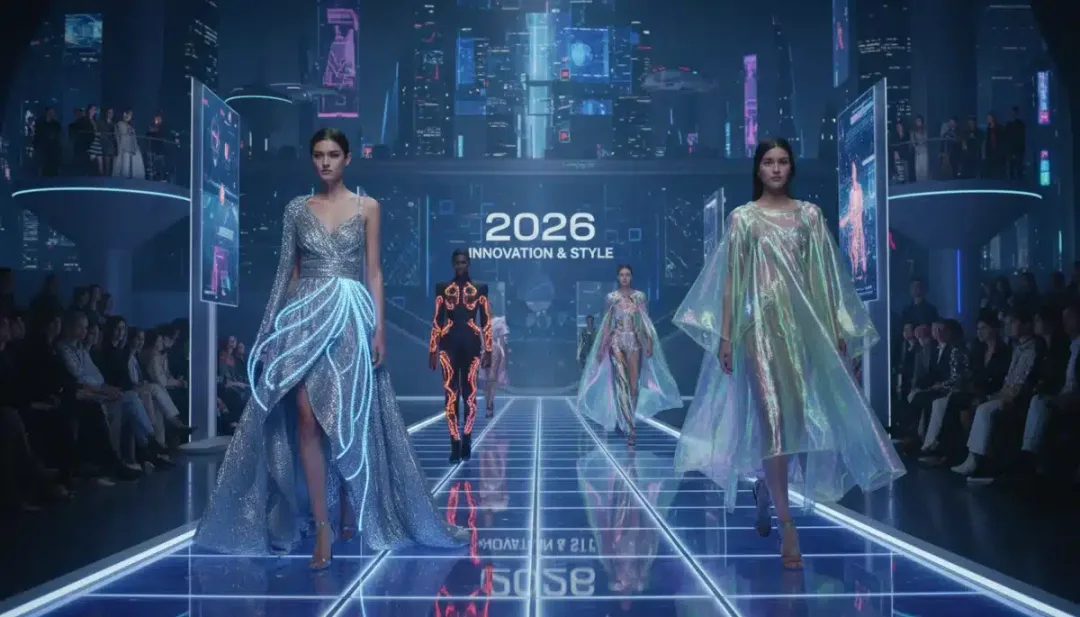
The latest developments concerning Beyond the Runway: 3 Emerging Fashion Tech Innovations Reshaping Your Style in 2026 are rapidly unfolding, providing critical insights into the future of apparel. This report delivers factual, up-to-date information, emphasizing what these changes mean for consumers in the United States.
The fashion landscape is undergoing a significant evolution, driven by technological advancements that promise to redefine personal style and industry practices. We examine the core innovations and their projected impacts on design, production, and consumer experience by 2026.
This analysis offers a direct look at the transformative power of technology in fashion, moving beyond theoretical concepts to highlight tangible shifts. Readers will gain a clear understanding of the key trends shaping our sartorial future.
The fashion industry stands at a pivotal juncture, where innovation is not just enhancing but fundamentally transforming how we design, produce, and experience clothing. As we look towards 2026, the concept of Beyond the Runway: 3 Emerging Fashion Tech Innovations Reshaping Your Style in 2026 is no longer a futuristic dream but a tangible reality impacting consumer choices and industry practices. These advancements promise a more personalized, sustainable, and interactive relationship with our wardrobes, moving far beyond traditional seasonal collections.
From the intricate algorithms guiding design to the very fibers that compose our garments, technology is weaving itself into every aspect of fashion. This shift is driven by a confluence of factors, including consumer demand for ethical practices, the urgent need for environmental sustainability, and a pervasive desire for customization and unique expression. Understanding these emerging technologies is crucial for anyone keen to stay ahead in the evolving world of style.
Anúncios
This report delves into the three most impactful fashion tech innovations poised to redefine personal style by 2026. We will explore how artificial intelligence, cutting-edge sustainable materials, and advanced smart textiles are not merely trends but foundational changes that will reshape our interaction with fashion, offering unprecedented possibilities for creativity and conscious consumption.
Artificial Intelligence: The New Design Assistant and Personal Stylist
Artificial intelligence (AI) is rapidly moving beyond backend operations to become a central force in fashion, influencing everything from conceptual design to personalized recommendations. By 2026, AI algorithms will be indispensable tools for designers, enabling unprecedented creativity and efficiency in the garment creation process.
This integration allows for rapid prototyping, predictive trend analysis, and even the generation of entirely new textile patterns, significantly accelerating the design cycle. Consumers will also experience AI’s impact through highly tailored shopping experiences, receiving recommendations that truly resonate with their individual preferences and evolving styles.
The role of AI extends to optimizing supply chains, minimizing waste, and forecasting demand with greater accuracy, leading to a more streamlined and sustainable industry. This evolution marks a significant departure from traditional fashion paradigms, prioritizing data-driven decisions and consumer-centric approaches.
AI-Driven Design and Prototyping
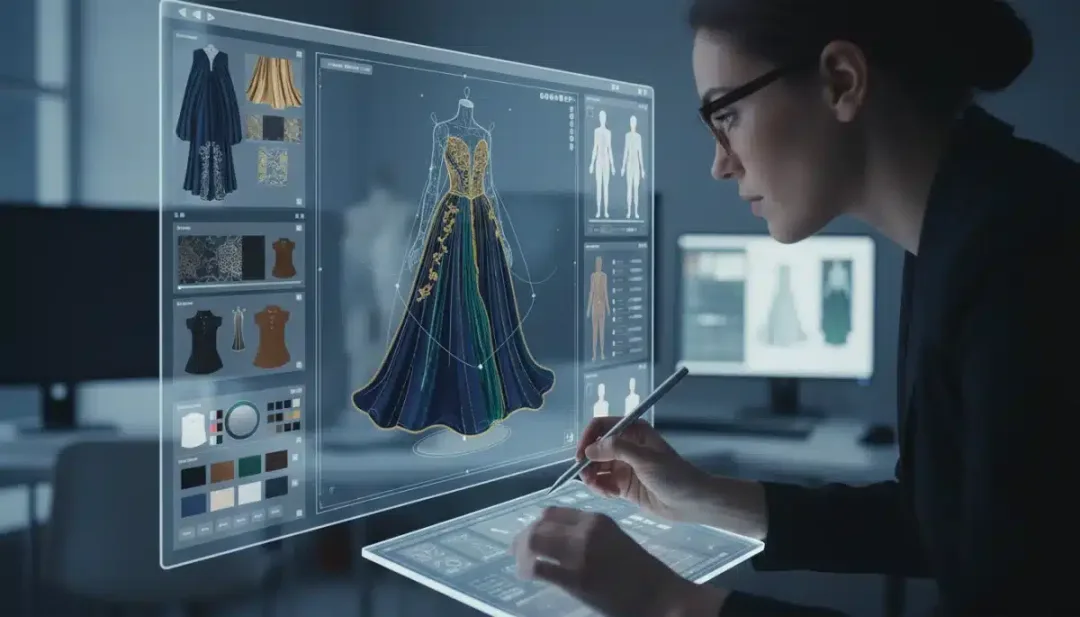
AI-powered design software utilizes complex algorithms to generate initial garment sketches, analyze fabric drape, and simulate how designs will look on various body types. This capability dramatically reduces the time and resources traditionally required for physical samples, fostering greater experimentation and reducing material waste.
Designers can input specific parameters, such as desired aesthetic, functional requirements, or even historical fashion data, and the AI will produce a multitude of variations. This collaborative process between human creativity and machine intelligence is leading to innovative designs that might otherwise remain undiscovered.
- Accelerated design cycles from concept to visualization.
- Reduced need for physical samples, saving materials and costs.
- Enhanced capability for complex pattern generation and customization.
Personalized Styling and Recommendation Engines
For consumers, AI will act as an ultra-sophisticated personal stylist, learning individual preferences, past purchases, and even social media activity to offer highly curated fashion advice. These recommendation engines go beyond simple product matching, suggesting entire outfits, advising on color palettes, and predicting future style preferences.
Anúncios
Platforms will leverage AI to analyze body measurements, skin tone, and personal style profiles to provide virtual try-on experiences that are remarkably accurate. This level of personalization empowers consumers to make more informed purchasing decisions and build wardrobes that truly reflect their identity, minimizing buyer’s remorse and returns.
This deep understanding of individual style, driven by AI, fosters a more intimate connection between brands and consumers. The result is a shopping experience that feels less like a transaction and more like a tailored consultation, directly impacting how individuals engage with Beyond the Runway: 3 Emerging Fashion Tech Innovations Reshaping Your Style in 2026.
Sustainable Materials: The Core of Ethical and Eco-Conscious Fashion
The imperative for sustainability is driving a revolution in material science, with new textiles emerging that promise to drastically reduce fashion’s environmental footprint. By 2026, these innovative materials will move from niche applications to mainstream adoption, offering viable alternatives to traditional resource-intensive fabrics.
This shift encompasses everything from bio-engineered fabrics derived from unexpected sources like mushrooms and algae, to advanced recycling technologies that transform textile waste into high-quality new fibers. The focus is on circularity, biodegradability, and minimizing water and energy consumption throughout the material lifecycle.
Consumers are increasingly demanding transparency and ethical production, pushing brands to prioritize these sustainable innovations. This evolution is not just about eco-friendliness but also about creating materials with enhanced properties, such as durability, comfort, and performance.
Bio-Engineered and Regenerative Fabrics
Scientists and innovators are developing materials from biological sources that are fully biodegradable or can be grown with minimal environmental impact. Mycelium, the root structure of mushrooms, is being transformed into leather-like materials, offering a cruelty-free and sustainable alternative to animal hides.
Algae and other plant-based derivatives are being used to create dyes and fibers that require significantly less water and harmful chemicals than conventional processes. These regenerative materials are designed not only to reduce waste but also to replenish natural resources, contributing positively to ecological balance.
- Mycelium-based leathers offering sustainable alternatives.
- Algae and plant-derived dyes and fibers reducing chemical usage.
- Focus on materials that are fully biodegradable and regenerative.
Advanced Recycling and Upcycling Technologies
Addressing the massive problem of textile waste, new technologies are enabling the chemical and mechanical recycling of garments into high-quality fibers suitable for new production. This moves beyond simple downcycling, creating a truly circular economy for textiles.
Innovations like fiber-to-fiber recycling are allowing cotton, polyester, and other common materials to be broken down and reconstituted without significant loss of quality. Simultaneously, sophisticated upcycling techniques are transforming discarded fabrics into unique, high-value fashion pieces, celebrating creativity within resource constraints.
These processes are critical for reducing landfill waste and decreasing reliance on virgin resources, making sustainable choices more accessible and stylish for consumers. The integration of such practices is a cornerstone of Beyond the Runway: 3 Emerging Fashion Tech Innovations Reshaping Your Style in 2026, reflecting a commitment to a greener future.
Smart Textiles and Wearable Technology: Fashion That Interacts
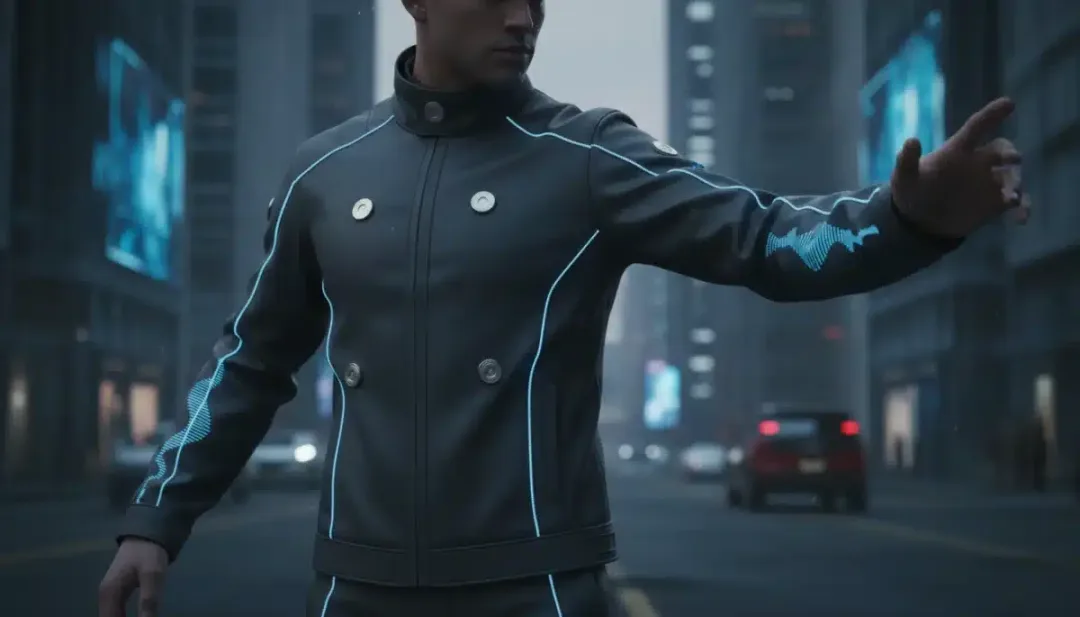
The convergence of fashion and technology is most evident in the rise of smart textiles and wearable devices, which are transforming clothing into interactive platforms. By 2026, garments will do more than just cover the body; they will monitor health, enhance performance, and even change appearance based on environmental cues or personal preference.
These innovations embed sensors, microcontrollers, and connectivity directly into fabrics, creating a seamless integration of functionality and style. The focus is on augmenting human capabilities and providing real-time data, all while maintaining aesthetic appeal and comfort.
From athletic wear that tracks vital signs to everyday apparel that adjusts its temperature, smart textiles are redefining the utility of clothing. This represents a significant leap from standalone gadgets to truly integrated, intelligent garments.
Performance-Enhancing and Health-Monitoring Apparel
Smart athletic wear already incorporates sensors to track heart rate, respiration, and muscle activity, providing athletes with invaluable data to optimize their training. By 2026, these capabilities will become more sophisticated and discreet, extending to everyday clothing that can monitor stress levels, sleep patterns, and even detect early signs of illness.
Garments embedded with micro-sensors and conductive threads will seamlessly collect biometric data without the need for additional devices. This constant, non-invasive monitoring offers a proactive approach to health management, transforming clothing into a personal wellness companion.
The integration of such technology into everyday fashion underscores the broader impact of Beyond the Runway: 3 Emerging Fashion Tech Innovations Reshaping Your Style in 2026, moving beyond mere aesthetics to practical, life-enhancing applications.
Dynamic and Interactive Fabrics
Imagine clothes that can change color or pattern with a tap on your smartphone, or fabrics that adapt their insulation properties based on ambient temperature. These dynamic textiles, incorporating chromic dyes, shape-memory polymers, and tiny embedded LEDs, are becoming a reality.
Such interactive garments offer unparalleled personalization and adaptability, allowing wearers to modify their style on the fly or respond to changing environments. These innovations present exciting possibilities for self-expression and functional utility, blurring the lines between fashion, art, and technology.
- Color and pattern-changing garments for dynamic style.
- Temperature-regulating fabrics for enhanced comfort.
- Integrated LEDs for expressive and customizable designs.
The Future of Retail: Immersive Experiences and Hyper-Personalization
The retail landscape is also being reshaped by these technological advancements, moving towards highly immersive and personalized shopping experiences. Virtual and augmented reality (VR/AR) are transforming how consumers discover and try on clothing, breaking down geographical barriers and enhancing convenience.
Online platforms leverage AI to create hyper-personalized storefronts and recommendation engines, making the vast array of fashion choices manageable and relevant. Physical stores are also evolving, integrating smart mirrors, interactive displays, and AI-powered stylists to offer unique in-store experiences.
This fusion of digital and physical retail creates a seamless customer journey, allowing consumers to explore, customize, and purchase fashion in ways previously unimaginable. The focus is on creating engaging, efficient, and ultimately more satisfying retail interactions.
Virtual Try-On and Augmented Reality Showrooms
VR and AR technologies are revolutionizing the fitting room experience. Consumers can now virtually try on garments from the comfort of their homes, seeing how clothes fit and look on their digital avatars or overlaid onto their own bodies via AR apps. This reduces the need for physical try-ons, streamlines online shopping, and minimizes returns.
Brands are also creating immersive AR showrooms where customers can explore entire collections in a virtual environment, interacting with 3D models of clothing and accessories. This provides a rich, engaging experience that transcends traditional online catalogs, adding a new dimension to how consumers interact with Beyond the Runway: 3 Emerging Fashion Tech Innovations Reshaping Your Style in 2026.
These virtual tools are not just about convenience; they offer a powerful way for brands to tell their story and showcase their designs in innovative and memorable ways. They also enable a global reach, allowing consumers worldwide to access exclusive collections and personalized fittings.
Ethical Considerations and Accessibility in Fashion Tech
As fashion tech rapidly advances, critical ethical considerations surrounding data privacy, algorithmic bias, and accessibility come to the forefront. The collection of personal data through AI and smart textiles necessitates robust privacy protocols and transparent usage policies to build consumer trust.
Ensuring that AI algorithms used in design and recommendations are free from biases is crucial to promote inclusivity and prevent the perpetuation of existing inequalities in fashion. Moreover, the benefits of these innovations must be accessible to a wide range of consumers, preventing a digital divide in style and functionality.
Addressing these ethical dimensions proactively is essential for the healthy and equitable development of fashion technology. Brands and developers must commit to responsible innovation, prioritizing user well-being and societal impact alongside technological progress.
Data Privacy and Algorithmic Fairness
The extensive data collected by smart textiles and AI-driven platforms, from biometric information to personal style preferences, raises significant privacy concerns. Transparent data handling, clear consent mechanisms, and robust security measures are paramount to protect consumer information and maintain trust.
Furthermore, the algorithms that power AI design and personalize recommendations must be continuously reviewed for fairness and inclusivity. Biased data sets can lead to algorithms that perpetuate stereotypes or exclude certain body types and demographics, undermining the goal of a more personalized and diverse fashion landscape. Ensuring fairness is a key challenge for Beyond the Runway: 3 Emerging Fashion Tech Innovations Reshaping Your Style in 2026.
- Implementing clear data privacy policies and consent.
- Regular audits of AI algorithms to detect and correct biases.
- Prioritizing inclusivity in data sets used for AI training.
Ensuring Accessibility and Inclusivity
The advanced nature of fashion tech innovations could inadvertently create barriers for certain demographics if not designed with accessibility in mind. Ensuring that smart textiles are comfortable and usable for individuals with disabilities, or that virtual try-on experiences are adaptable for different technological proficiencies, is vital.
Moreover, the cost associated with developing and integrating these technologies means that initial adoption might be concentrated in luxury markets. Efforts must be made to democratize access to these innovations, making sustainable and smart fashion available to a broader consumer base, reflecting the true potential of Beyond the Runway: 3 Emerging Fashion Tech Innovations Reshaping Your Style in 2026.
This includes developing affordable versions of smart garments and ensuring that AI-powered styling tools are intuitive and easy to use for everyone, regardless of their tech-savviness. Inclusivity should be a guiding principle in the evolution of fashion technology.
| Key Innovation | Impact on Style by 2026 |
|---|---|
| AI in Fashion | Personalized designs, styling, and efficient production. |
| Sustainable Materials | Eco-conscious choices, ethical production, and circularity. |
| Smart Textiles | Interactive, health-monitoring, and dynamic apparel. |
| Retail Transformation | Immersive virtual try-ons and hyper-personalized shopping. |
Frequently Asked Questions About Fashion Tech Innovations 2026
How will AI specifically change fashion design by 2026?▼By 2026, AI will act as a powerful co-creator for designers, generating initial concepts, optimizing patterns, and simulating fabric drapes. It will significantly reduce the need for physical prototypes, accelerating the design process and allowing for more complex, customized creations. This efficiency will lead to more innovative and diverse collections.
What new sustainable materials can we expect in mainstream fashion?▼Mainstream fashion will increasingly feature materials like mycelium-based leathers, algae-derived dyes, and advanced recycled textiles from post-consumer waste. These innovations aim to reduce environmental impact, promote biodegradability, and support a circular economy, moving away from reliance on virgin resources and harmful chemical processes.
How will smart textiles make our clothing more interactive?▼Smart textiles will embed sensors and microcontrollers directly into fabrics, enabling garments to monitor biometric data, adjust temperature, and even change color or pattern. This means your clothing could track your health, adapt to weather, or allow you to customize its appearance via an app, making fashion truly dynamic and functional.
Will these fashion tech innovations be affordable and accessible to everyone?▼Initially, some advanced fashion tech might be premium-priced, but as technology matures and production scales, prices are expected to become more accessible. Efforts are underway to democratize these innovations, ensuring that sustainable and smart fashion benefits a broader consumer base, not just the luxury market, by 2026.
What ethical concerns arise with these new fashion technologies?▼Key ethical concerns include data privacy, especially with biometric tracking from smart textiles, and algorithmic bias in AI design and recommendations. Ensuring transparent data usage, robust security, and fair, inclusive algorithms is crucial to build consumer trust and prevent the perpetuation of existing inequalities within the fashion industry.
Looking Ahead
The innovations discussed—AI, sustainable materials, and smart textiles—are not isolated developments but interconnected forces driving a holistic transformation in fashion. As Beyond the Runway: 3 Emerging Fashion Tech Innovations Reshaping Your Style in 2026 continues to evolve, these technologies promise a future where personal style is more expressive, production is more ethical, and our clothing actively enhances our lives. Consumers and industry stakeholders alike must remain informed and adaptable to fully embrace the opportunities and navigate the challenges presented by this exciting new era in fashion.