Clean Beauty Revolution: Top 8 Non-Toxic Makeup Brands in US 2026
Anúncios
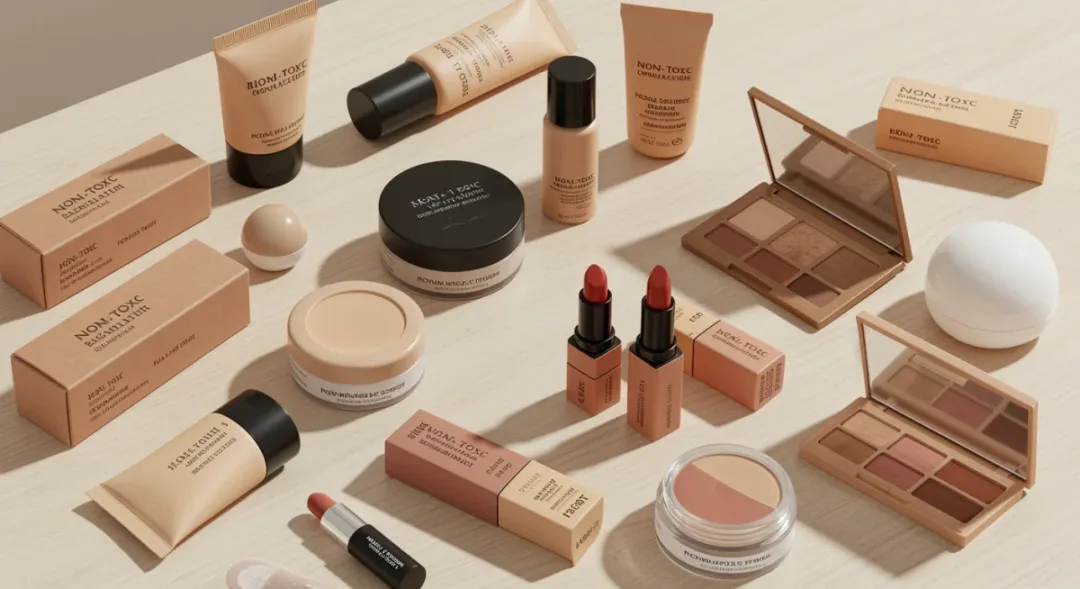
The Clean Beauty Revolution is no longer a niche movement but the gold standard of the US cosmetics industry in 2026. Conscious consumers are trading traditional products for transparent, high-performance formulas that prioritize long-term skin health.
This shift has propelled a new generation of market leaders who define excellence through rigorous safety standards and ethical sourcing. Our analysis spotlights the top 8 pioneers currently dominating the landscape with their innovative, “skin-first” approach.
Beyond mere aesthetics, these industry frontrunners are reshaping beauty through sustainable packaging and laboratory-proven purity. Discover how these essential non-toxic brands are setting a permanent benchmark for integrity in every makeup bag.
The Rise of Non-Toxic Makeup Brands in the US Market
The demand for non-toxic makeup brands has surged across the United States, reflecting a broader consumer movement towards healthier lifestyles and sustainable consumption.
This trend is not merely a niche interest but a mainstream phenomenon, influencing purchasing decisions across all demographics.
Anúncios
Industry reports indicate a significant year-over-year growth in the clean beauty sector, far outstripping traditional cosmetics. This growth is fueled by readily available information about ingredient safety and the increasing accessibility of high-quality non-toxic products.
The market is responding with innovative formulations and transparent sourcing, establishing a new standard for what constitutes ‘beauty.’
The Clean Beauty Revolution is set to continue its upward trajectory, making non-toxic makeup brands a cornerstone of the beauty industry by 2026.
Consumer-Driven Demand for Transparency
The modern consumer is empowered by information, readily researching ingredients and brand ethics before making a purchase.
This unprecedented level of scrutiny has forced brands to adopt greater transparency regarding their formulations, manufacturing processes, and supply chains.
Brands that openly disclose their ingredients and commit to avoiding known toxins are gaining significant market share. This shift is particularly evident among millennials and Gen Z, who prioritize health, wellness, and environmental responsibility in their consumer choices.
The embrace of non-toxic makeup brands is a direct consequence of this demand for clear, honest communication. Consumers are no longer willing to compromise on safety for beauty, driving the Clean Beauty Revolution forward.
Anúncios
Regulatory Landscape and Industry Standards
While the US regulatory framework for cosmetics has historically lagged behind other regions, there is growing pressure for stricter guidelines regarding ingredient safety.
This regulatory evolution, coupled with industry self-regulation, is further solidifying the position of non-toxic makeup brands.
Many leading non-toxic makeup brands adhere to stricter European Union standards or self-imposed ‘free-from’ lists, often excluding thousands of potentially harmful chemicals. This proactive approach not only builds consumer trust but also sets a benchmark for the wider industry.
The establishment of clear, industry-wide standards for ‘clean’ and ‘non-toxic’ beauty remains an ongoing challenge. However, the momentum behind the Clean Beauty Revolution is undeniable, pushing for greater accountability and safer products across the board.
Defining ‘Non-Toxic’ in the Beauty Sphere
The term ‘non-toxic’ in beauty is multifaceted, often encompassing a range of criteria beyond just the absence of acutely poisonous substances.
It typically refers to products formulated without ingredients linked to adverse health effects, such as carcinogens, endocrine disruptors, or severe irritants, even in small doses.
Consumers seeking non-toxic makeup brands are looking for products free from parabens, phthalates, sulfates, synthetic fragrances, and a host of other questionable chemicals. This definition goes beyond mere legal compliance, reflecting a precautionary principle in product development.
The commitment to non-toxic formulations often extends to ethical sourcing, sustainable packaging, and cruelty-free practices, making ‘non-toxic’ synonymous with a broader ethical and health-conscious approach to beauty. This comprehensive view further fuels the Clean Beauty Revolution.
Commonly Avoided Ingredients by Non-Toxic Brands
A core tenet of non-toxic makeup brands is the deliberate exclusion of a ‘dirty list’ of ingredients widely considered harmful or controversial. This list often includes chemicals that are legally permitted but raise consumer concerns due to potential health risks.
- Parabens: Preservatives linked to endocrine disruption.
- Phthalates: Plasticizers and solvents, often hidden in ‘fragrance,’ associated with reproductive issues.
- Sulfates (SLS/SLES): Harsh detergents that can strip natural oils and irritate skin.
- Synthetic Fragrances: Proprietary blends that can contain hundreds of undisclosed chemicals, often allergens.
- Formaldehyde Releasers: Preservatives that slowly release formaldehyde, a known carcinogen.
- PEGs (Polyethylene Glycols): Petroleum-based compounds that can be contaminated with carcinogens.
These exclusions are central to the promise of non-toxic makeup brands, offering consumers peace of mind and promoting healthier skin. The Clean Beauty Revolution’s success hinges on consistently delivering on this promise.
Certifications and Verification for Clean Beauty
Navigating the clean beauty landscape can be challenging due to the lack of a universal regulatory definition for ‘clean’ or ‘non-toxic.’ Consequently, third-party certifications play a crucial role in validating a brand’s claims and assuring consumers.
Certifications from organizations like EWG Verified, Leaping Bunny (cruelty-free), USDA Organic, and Ecocert provide independent verification of ingredient safety and ethical practices.
These seals of approval help consumers identify genuinely non-toxic makeup brands.
As the Clean Beauty Revolution matures, the importance of robust and transparent certification processes will only grow, aiding consumers in making informed choices and holding brands accountable for their commitments.
Top 8 Non-Toxic Makeup Brands Dominating in 2026
By 2026, several pioneering non-toxic makeup brands are projected to lead the US market, driven by their unwavering commitment to clean formulations, innovative products, and strong consumer trust.
These brands have successfully blended efficacy with safety, proving that performance doesn’t have to come at the expense of health.
Their dominance stems from a combination of scientific rigor in ingredient selection, transparent communication, and a deep understanding of consumer needs.
They represent the vanguard of the Clean Beauty Revolution, setting trends and inspiring a new generation of beauty enthusiasts.
Each of these brands offers a unique approach to clean beauty, catering to diverse preferences while upholding the highest standards of non-toxic formulation. Their collective impact is redefining industry benchmarks for product safety and environmental responsibility.
Brand Spotlight: ILIA Beauty
ILIA Beauty has emerged as a powerhouse in the non-toxic makeup space, renowned for its ‘skin-centric’ approach to cosmetics. Their products are formulated with active levels of skincare ingredients, blurring the lines between makeup and treatment.
The brand’s commitment to clean ingredients is paramount; they meticulously screen every component to ensure safety and efficacy.
ILIA’s Super Serum Skin Tint SPF 40 is a prime example, combining mineral SPF, hyaluronic acid, and squalane for a product that protects, hydrates, and perfects.
ILIA’s success highlights the growing consumer preference for multi-tasking products that offer genuine skincare benefits alongside cosmetic enhancement, making them a leader in the Clean Beauty Revolution and a top non-toxic makeup brand.
Brand Spotlight: Saie
Saie has rapidly gained traction with its minimalist yet effective range of non-toxic makeup essentials. The brand focuses on creating ‘feel-good’ formulas that deliver a natural, radiant finish, emphasizing health and glow over heavy coverage.
Their commitment to sustainability is evident in their recyclable packaging and efforts towards carbon neutrality. Saie’s Glowy Super Gel, a popular illuminating primer, exemplifies their philosophy of clean ingredients for a luminous complexion.
Saie’s approachable aesthetic and dedication to both clean formulations and environmental responsibility resonate strongly with a broad audience, securing its place among the top non-toxic makeup brands driving the Clean Beauty Revolution.
Innovation and Formulation in Non-Toxic Makeup
The advancements in cosmetic science have been instrumental in allowing non-toxic makeup brands to compete effectively with conventional products, often surpassing them in performance and skin benefits.
Formulators are now adept at finding natural and synthetic alternatives to traditional, questionable ingredients.
This innovation extends beyond ingredient substitution to encompass cutting-edge extraction methods, stable natural preservative systems, and bio-fermentation technologies.
These breakthroughs ensure that non-toxic products are not only safe but also deliver superior texture, longevity, and pigment payoff.
The ongoing research and development within the clean beauty sector are a testament to its dynamism, continuously pushing the boundaries of what is possible with non-toxic formulations. This commitment to innovation is a key driver of the Clean Beauty Revolution.
Ingredient Sourcing and Ethical Practices
For non-toxic makeup brands, the journey to a clean product begins long before formulation, with a rigorous focus on ingredient sourcing.
Ethical and sustainable sourcing practices are integral to their brand identity, ensuring that raw materials are obtained responsibly and without harm to communities or the environment.
Many brands partner directly with farmers and suppliers to ensure fair labor practices and ecological cultivation of ingredients. This transparency in the supply chain builds trust with consumers, who are increasingly concerned about the provenance of their products.
This holistic approach to product development, from source to shelf, distinguishes leading non-toxic makeup brands and reinforces the core values of the Clean Beauty Revolution. It’s about more than just ingredients; it’s about integrity.
Efficacy and Performance of Clean Formulations
A common misconception about non-toxic makeup brands is that they compromise on performance. However, advancements in green chemistry and natural ingredient science have dispelled this myth, allowing clean formulations to deliver exceptional results.
Modern non-toxic products, from long-wearing foundations to highly pigmented eyeshadows, are formulated to meet the demands of discerning consumers. They achieve impressive efficacy through optimized natural extracts, mineral pigments, and skin-benefiting botanicals.
The ongoing success of these brands proves that the Clean Beauty Revolution is not just about avoiding harm, but also about embracing products that genuinely enhance beauty and skin health, setting a new benchmark for cosmetic performance.
Marketing and Consumer Engagement in the Clean Beauty Revolution
The marketing strategies of non-toxic makeup brands are deeply rooted in education, transparency, and community building.
Unlike traditional beauty advertising that often relies on aspirational imagery, clean beauty brands focus on empowering consumers with knowledge about ingredients and their benefits.
Digital platforms, particularly social media and influencer collaborations, play a crucial role in disseminating information and fostering a sense of trust. Authenticity and genuine testimonials from real users are far more impactful than celebrity endorsements in this space.
This direct and honest approach to consumer engagement has been pivotal in driving the Clean Beauty Revolution. It allows non-toxic makeup brands to build loyal communities around shared values of health, sustainability, and ethical consumption.
Educating the Consumer on Ingredient Safety
A cornerstone of the Clean Beauty Revolution is the active education of consumers about ingredient safety and the potential risks associated with conventional cosmetics.
Non-toxic makeup brands invest heavily in content that demystifies complex chemical names and highlights the benefits of their clean alternatives.
Websites often feature detailed ingredient glossaries, ‘free-from’ lists, and articles explaining the science behind their formulations. This commitment to educational content empowers consumers to make informed decisions, fostering a deeper connection with the brand.
By transforming consumers into informed advocates, these non-toxic makeup brands not only sell products but also cultivate a movement towards healthier beauty practices. This educational drive is essential to sustaining the growth of the Clean Beauty Revolution.
Building Community and Trust Through Social Media
Social media platforms have become vital channels for non-toxic makeup brands to connect directly with their audience, share their values, and build a strong sense of community.
Instagram, TikTok, and YouTube are particularly effective for showcasing product demonstrations, sharing ingredient stories, and engaging in Q&A sessions.
Influencer partnerships are carefully selected, prioritizing individuals who genuinely align with clean beauty values and can authentically communicate the brand’s message. This approach fosters trust and credibility, which are paramount in the clean beauty space.
The interactive nature of social media allows these non-toxic makeup brands to receive direct feedback, adapt to consumer preferences, and further solidify their position as trusted leaders in the Clean Beauty Revolution.
Challenges and Opportunities for Non-Toxic Makeup Brands
Despite their rapid growth, non-toxic makeup brands face unique challenges, including higher production costs for ethically sourced ingredients and the need for continuous consumer education. The crowded beauty market also requires constant innovation to stand out.
However, these challenges are often outweighed by significant opportunities. The expanding consumer base for clean beauty, coupled with increasing mainstream acceptance, presents immense potential for market expansion and brand differentiation.
Brands that can effectively navigate these complexities, maintaining their commitment to clean formulations while scaling their operations, are poised for sustained success in the evolving beauty landscape. The Clean Beauty Revolution is creating new pathways for growth.
Navigating the Competitive Landscape
The beauty industry is fiercely competitive, and the entry of larger, conventional brands into the clean beauty space poses a significant challenge for established non-toxic makeup brands. These larger players often have greater marketing budgets and wider distribution networks.
To maintain their edge, leading non-toxic brands must continue to innovate, differentiate their offerings, and reinforce their core values of authenticity and transparency. Building strong brand loyalty through exceptional product quality and customer service is crucial.
The Clean Beauty Revolution demands that brands not only meet but exceed consumer expectations for both safety and performance, ensuring they remain relevant in a rapidly evolving market.
Future Growth and Market Expansion
The trajectory for non-toxic makeup brands indicates substantial future growth, driven by a global shift towards health-conscious consumption. Expansion into new product categories, such as skincare-infused makeup, and entry into international markets present significant opportunities.
Technological advancements, particularly in biotechnology and sustainable packaging solutions, will further enable these brands to innovate and scale. Partnerships with retailers that align with clean beauty values will also be key to broader market penetration.
The Clean Beauty Revolution is far from over; it is a continuously evolving movement that will shape the future of the beauty industry for decades to come, with non-toxic makeup brands at its forefront.
The Impact of Sustainability on Non-Toxic Makeup Brands
Sustainability is an increasingly integral component of the non-toxic makeup brand ethos, extending beyond ingredient choices to encompass the entire product lifecycle.
Consumers are demanding eco-conscious practices, from refillable packaging to carbon-neutral operations.
Brands that prioritize sustainable sourcing, minimize waste, and invest in circular economy initiatives are gaining a competitive advantage. This commitment to environmental stewardship reinforces their clean beauty credentials and resonates deeply with their target audience.
The intersection of non-toxic formulations and sustainable practices is a powerful driver of the Clean Beauty Revolution, establishing a new paradigm for responsible beauty consumption. This holistic approach is essential for long-term brand success.
Eco-Friendly Packaging Solutions
The shift towards eco-friendly packaging is a critical aspect of sustainability for non-toxic makeup brands. Traditional plastic packaging contributes significantly to environmental pollution, prompting brands to explore innovative alternatives.
- Recycled Materials: Utilizing post-consumer recycled (PCR) plastic, glass, and aluminum.
- Refillable Systems: Offering refillable compacts, lipstick tubes, and foundation bottles to reduce waste.
- Biodegradable Components: Experimenting with plant-based plastics and compostable materials.
- Minimalist Design: Reducing unnecessary packaging and focusing on reusable elements.
These initiatives not only reduce environmental impact but also appeal to environmentally conscious consumers, further solidifying the position of these non-toxic makeup brands within the Clean Beauty Revolution.
Ethical Supply Chains and Social Responsibility
Ethical supply chains are foundational for non-toxic makeup brands, ensuring that every ingredient is sourced responsibly, without exploiting labor or harming local communities. This commitment often involves fair trade certifications and transparent supplier relationships.
Beyond sourcing, many clean beauty brands engage in broader social responsibility initiatives, supporting community development, advocating for environmental protection, or contributing to charitable causes.
This dedication to ethical business practices strengthens brand reputation and consumer loyalty.
The integration of social responsibility into their core business model elevates these non-toxic makeup brands beyond mere product providers, making them influential players in the Clean Beauty Revolution and inspiring positive change.
| Key Point | Brief Description |
|---|---|
| Market Shift | Growing consumer demand for non-toxic, transparent beauty products. |
| Brand Dominance | Top 8 non-toxic makeup brands lead with innovation and ethics by 2026. |
| Key Drivers | Ingredient transparency, sustainability, and effective clean formulations. |
| Future Outlook | Continued growth, innovation, and ethical practices defining clean beauty. |
Frequently Asked Questions About the Clean Beauty Revolution
What defines a ‘non-toxic’ makeup brand?▼A ‘non-toxic’ makeup brand typically formulates products without ingredients linked to adverse health effects, such as parabens, phthalates, sulfates, and synthetic fragrances. This goes beyond legal requirements, prioritizing consumer safety and long-term well-being. Brands often adhere to stricter international standards or their own comprehensive ‘free-from’ lists to ensure product integrity.
Why are consumers increasingly choosing non-toxic options?▼Consumers are increasingly choosing non-toxic options due to heightened awareness of health and environmental impacts. Access to information about ingredient safety, coupled with a desire for transparency and ethical production, drives this shift. Concerns over potential long-term health risks associated with certain chemicals are a primary motivator for embracing the Clean Beauty Revolution.
How do non-toxic makeup brands ensure product efficacy?▼Non-toxic makeup brands ensure efficacy through advanced cosmetic science, utilizing natural alternatives, bio-fermentation, and cutting-edge extraction methods. They focus on optimized natural extracts, mineral pigments, and skin-benefiting botanicals to deliver superior performance. This innovation proves that clean formulations can achieve excellent results without compromising on safety or quality, a hallmark of the Clean Beauty Revolution.
What role does sustainability play in the Clean Beauty Revolution?▼Sustainability is crucial, extending beyond ingredients to include eco-friendly packaging, ethical sourcing, and waste reduction. Brands adopt recycled materials, refillable systems, and biodegradable components. This commitment to environmental stewardship aligns with consumer values and reinforces the brand’s clean beauty credentials, making it a cornerstone of the Clean Beauty Revolution.
What challenges do non-toxic makeup brands face in the US market?▼Non-toxic makeup brands face challenges such as higher production costs, the need for continuous consumer education, and intense competition from conventional brands entering the clean space. They must constantly innovate, differentiate their offerings, and build strong brand loyalty to maintain their market position amidst the evolving Clean Beauty Revolution and consumer demands.
Looking Ahead: The Enduring Impact of Clean Beauty
The Clean Beauty Revolution is not a fleeting trend but a fundamental shift in consumer values and industry practices.
The dominance of non-toxic makeup brands in the US market by 2026 underscores a permanent change towards healthier, more ethical beauty choices. This movement will continue to drive innovation in formulation, packaging, and supply chain transparency.
As consumer awareness grows and regulatory landscapes evolve, the demand for truly non-toxic and sustainable products will only intensify.
Brands that prioritize integrity, scientific rigor, and environmental responsibility are best positioned to thrive in this new era of beauty, setting new benchmarks for the entire industry.
The future of beauty is undeniably clean, and the sustained growth of these pioneering non-toxic makeup brands will serve as a testament to the power of informed consumer choices and ethical business practices.
The Clean Beauty Revolution will continue to reshape how we perceive and interact with cosmetics.