AI on Fashion Trends: What to Expect in the Next 12 Months
Anúncios
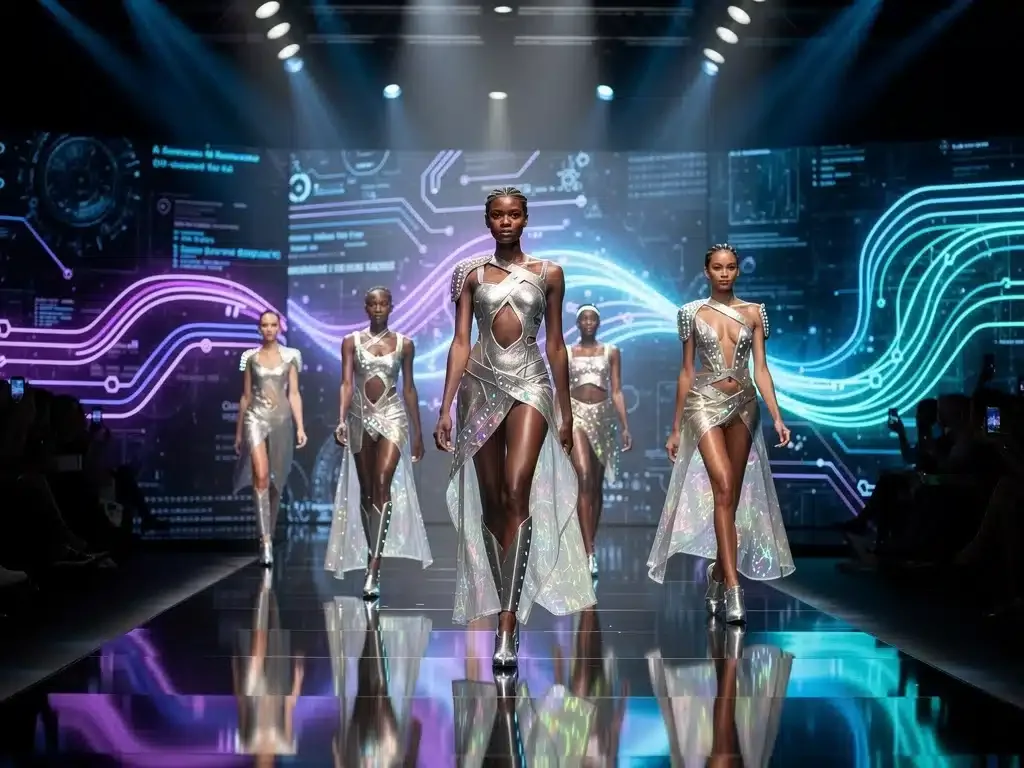
Have you ever wondered how your favorite clothing brands seem to know exactly what you want to wear before you do? The secret lies in the digital runway, where the massive influence of AI on fashion trends is completely rewriting the style playbook.
Over the next 12 months, advanced machine learning models and predictive algorithms will dictate what hits the clothing racks well before sketches hit the studio.
This tech-driven shift means faster style cycles, hyper-personalized closet recommendations, and a massive surge in virtual styling assistants.
We cut straight to the data to reveal how these innovative design technologies are transforming your shopping experience. Get a sneak peek into the near future of apparel, where data analytics and haute couture seamlessly merge to shape your wardrobe.
AI Reshaping Design and Creative Processes
Artificial intelligence is fundamentally transforming the initial stages of fashion, particularly in design and creative ideation. Designers are increasingly leveraging AI tools to generate novel concepts, analyze trend data, and even create virtual prototypes.
Anúncios
This integration promises to accelerate the design cycle and foster unparalleled creativity within the industry.
The collaborative potential between human designers and AI is becoming a critical talking point, pushing boundaries previously thought unreachable.
AI algorithms can process vast amounts of visual data, identifying patterns and generating unique aesthetics that might inspire new collections. This dynamic partnership is set to redefine traditional design methodologies.
Expect to see more collections hitting the market that bear the subtle, or sometimes overt, influence of AI-generated aesthetics.
This isn’t about replacing human creativity but augmenting it, allowing designers to explore more possibilities with greater efficiency. The next year will demonstrate how effectively this synergy can translate into commercially successful and artistically compelling fashion.
Generative AI in Concept Development
Generative AI platforms are empowering designers to explore countless variations of styles, patterns, and silhouettes at an unprecedented pace.
These tools can synthesize mood boards, suggest color palettes, and even draft initial garment designs based on specific parameters. This capability significantly reduces the time spent on preliminary conceptualization.
Anúncios
- AI analyzes historical and current fashion data to predict emerging trends.
- It assists in creating unique fabric prints and textile designs, pushing material innovation.
- Virtual fashion shows and 3D prototyping become more efficient, saving resources.
The ability of AI to learn from existing design archives and user preferences allows for highly personalized and trend-reactive design outputs. This means faster responses to market demands and a reduced risk of producing unpopular items.
Personalized Design on Demand
The rise of AI-driven personalization is enabling consumers to have a more direct hand in the design process.
AI can interpret individual style preferences, body measurements, and lifestyle data to create bespoke garment suggestions. This moves beyond simple recommendations to truly customized design.
This level of personalization is set to become a significant competitive advantage for brands in the next year.
Consumers are increasingly seeking unique items that reflect their identity, and AI provides the scalable infrastructure to deliver on this demand. The impact of AI on fashion trends will be particularly visible in direct-to-consumer models.
Brands are investing heavily in AI-powered customization platforms, allowing customers to co-create their garments. This not only enhances customer loyalty but also reduces waste by producing items only when ordered. The shift towards hyper-personalization is undeniable.
Optimizing Production and Supply Chains with AI
The fashion industry’s notoriously complex supply chains are undergoing a significant overhaul thanks to artificial intelligence.
From raw material sourcing to final product delivery, AI is introducing unprecedented levels of efficiency, transparency, and sustainability. This optimization is crucial for meeting consumer demands and reducing environmental impact.
AI algorithms can predict demand with greater accuracy, minimizing overproduction and reducing waste, a critical issue for the fashion sector.
By analyzing vast datasets, including sales history, social media trends, and even weather patterns, AI helps brands make more informed decisions. This leads to leaner inventories and a more responsive supply chain.
Over the next 12 months, we will witness a more agile and intelligent fashion production ecosystem. Brands that embrace AI in their supply chain management will gain a significant competitive edge, capable of adapting quickly to market shifts and consumer preferences.
The impact of AI on fashion trends extends deeply into operational efficiencies.
Predictive Analytics for Demand Forecasting
AI’s ability to analyze complex data sets allows for highly accurate demand forecasting, which directly impacts production volumes.
This precision helps mitigate issues like deadstock and missed sales opportunities, optimizing resource allocation. The integration of machine learning models into inventory management systems is becoming standard practice.
By understanding what consumers are likely to buy, when, and in what quantities, fashion companies can fine-tune their production schedules.
This data-driven approach means less guesswork and more strategic planning, leading to better financial outcomes and reduced environmental footprint.
- AI predicts seasonal trends and consumer purchasing behaviors with high accuracy.
- It optimizes inventory levels, reducing storage costs and preventing stockouts.
- Machine learning algorithms adapt to real-time sales data, adjusting forecasts dynamically.
This enhanced forecasting capability is a cornerstone of sustainable fashion production, ensuring that resources are not wasted on unwanted items. The continued refinement of these AI models will be a key focus for the industry.

Automated Manufacturing and Quality Control
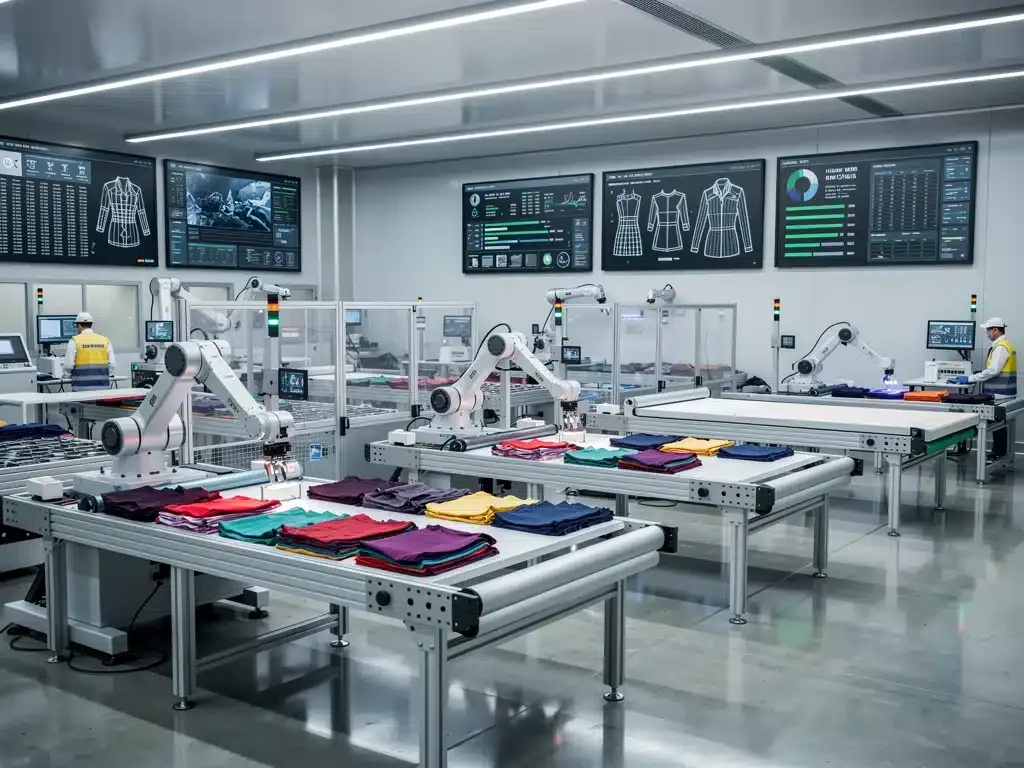
The factory floor is also experiencing significant disruption with the introduction of AI-powered robotics and automation.
These technologies are improving precision, speed, and consistency in garment manufacturing. Automated systems are taking over repetitive tasks, freeing up human workers for more complex roles.
Quality control, traditionally a labor-intensive process, is being revolutionized by AI vision systems that can detect flaws with remarkable accuracy.
This ensures that products meet high standards before reaching the consumer, reducing returns and enhancing brand reputation. The efficiency gains here are substantial, directly impacting profitability.
In the coming year, more fashion manufacturers will adopt AI-driven machinery for tasks like cutting, stitching, and finishing.
This not only speeds up production but also addresses labor shortages and improves working conditions. The impact of AI on fashion trends is making fashion production smarter and more sustainable.
Revolutionizing Retail and Consumer Experience
The retail landscape is undergoing a dramatic transformation as artificial intelligence redefines how consumers discover, try on, and purchase fashion items.
AI is creating highly personalized and engaging shopping experiences, both online and in physical stores. This shift is crucial for brands looking to capture and retain modern consumers.
From virtual try-on technologies to AI-powered styling assistants, the interaction between shopper and product is becoming more immersive and convenient.
These innovations address common pain points in the shopping journey, such as finding the right size or style. The goal is to make fashion more accessible and enjoyable for everyone.
Expect to see a proliferation of AI-enhanced retail solutions over the next 12 months, setting new benchmarks for customer satisfaction and engagement.
Brands that successfully integrate these technologies will stand out in an increasingly competitive market. The impact of AI on fashion trends is fundamentally reshaping the consumer journey.
Virtual Try-On and Augmented Reality
Virtual try-on experiences, powered by AI and augmented reality (AR), are becoming increasingly sophisticated.
Consumers can now virtually try on clothes and accessories from the comfort of their homes, reducing the need for physical fitting rooms. This technology addresses a major hurdle in online fashion retail: sizing and fit concerns.
These AR tools use advanced algorithms to accurately map garments onto a user’s body, providing a realistic preview of how an item will look.
This not only enhances the online shopping experience but also significantly reduces product returns, a costly issue for e-commerce businesses. The adoption of such technologies is set to soar.
- AR mirrors in stores offer personalized styling advice and virtual try-ons.
- Mobile apps allow users to virtually try clothes using their smartphone cameras.
- AI-driven body scanning ensures accurate sizing recommendations for online purchases.
The integration of virtual try-on is a game-changer, making online shopping more confident and efficient. Its continuous improvement will be a key aspect of the impact of AI on fashion trends.
AI-Powered Personal Stylists and Recommendations
AI is enabling a new era of personalized styling, with algorithms acting as virtual fashion consultants. These systems analyze a user’s purchase history, browsing behavior, social media activity, and even current wardrobe to offer tailored recommendations.
This level of personalization far surpasses traditional recommendation engines.
Beyond suggesting individual items, AI can curate entire outfits, advise on seasonal trends that match a user’s aesthetic, and even predict future style preferences.
This service aims to replicate the experience of having a personal stylist, but on a mass scale. Brands are leveraging this to build deeper, more meaningful connections with their customers.
Over the next year, expect to see more advanced AI stylists integrated into e-commerce platforms and standalone apps.
These tools will not only drive sales but also help consumers make more informed and sustainable fashion choices. The impact of AI on fashion trends is making fashion more accessible and personalized.
Sustainability and Ethical Practices Through AI
The fashion industry faces immense pressure to become more sustainable and ethical, and AI is emerging as a powerful ally in this endeavor.
From optimizing resource use to ensuring fair labor practices, AI offers solutions that can drive meaningful change. This technological intervention is critical for addressing the environmental and social challenges inherent in fashion.
AI can track the origin of materials, monitor manufacturing processes for compliance with ethical standards, and even design garments with minimal waste.
By providing data-driven insights, AI empowers brands to make more responsible decisions throughout their operations. This commitment to sustainability is increasingly important for consumers.
The next 12 months will see a heightened focus on how AI can contribute to a more circular and transparent fashion economy.
Brands that prioritize these aspects, supported by AI, will likely gain a stronger foothold in the market. The positive impact of AI on fashion trends is becoming a cornerstone of responsible business practices.
Waste Reduction and Circularity
AI plays a crucial role in minimizing waste by optimizing design, production, and inventory management. Generative design can create patterns that reduce fabric offcuts, while predictive analytics prevent overproduction.
These applications contribute directly to a more circular fashion system, where resources are conserved and reused.
Furthermore, AI can identify opportunities for recycling and upcycling materials, helping brands close the loop on their production processes.
By analyzing material composition and wear patterns, AI can recommend optimal reuse strategies. This moves the industry away from a linear take-make-dispose model.
- AI helps design zero-waste patterns and optimize fabric cutting layouts.
- It identifies materials suitable for recycling and facilitates resource recovery.
- Predictive maintenance for machinery reduces energy consumption and extends equipment lifespan.
These AI applications are not just about efficiency; they are about fundamentally transforming the industry’s environmental footprint. The impact of AI on fashion trends in sustainability is profound and growing.
Ethical Sourcing and Transparency
Ensuring ethical sourcing and transparency across complex global supply chains is a major challenge for fashion brands.
AI-powered platforms can track materials from their origin to the final product, providing verifiable data on labor conditions, environmental impact, and fair trade practices. This level of traceability builds consumer trust.
Blockchain technology, often integrated with AI, can create an immutable record of a garment’s journey, making it difficult to conceal unethical practices.
Consumers are increasingly demanding transparency, and AI provides the tools to deliver it. This is particularly important for combating issues like forced labor and unsustainable resource extraction.
In the coming year, expect to see more brands leveraging AI to provide detailed information about their supply chains.
This commitment to ethical practices, driven by AI, will become a differentiator for conscious consumers. The impact of AI on fashion trends is fostering a more accountable industry.
Challenges and Ethical Considerations
While the benefits of AI in fashion are numerous, its widespread adoption also introduces a range of challenges and ethical considerations that must be addressed.
Issues surrounding data privacy, algorithmic bias, and the potential displacement of human labor require careful navigation. The industry must proactively establish guidelines to ensure responsible AI integration.
The collection and use of vast amounts of consumer data, necessary for AI personalization, raise concerns about privacy and data security.
Brands must be transparent about their data practices and ensure robust protection mechanisms are in place. Trust is paramount for successful AI adoption in consumer-facing applications.
Addressing these challenges is critical for the long-term success and acceptance of AI in fashion.
The next 12 months will likely see increased dialogue and the development of industry standards to mitigate potential risks. The responsible impact of AI on fashion trends requires careful ethical stewardship.
Algorithmic Bias and Data Privacy
Algorithmic bias is a significant concern, as AI systems learn from the data they are fed. If this data reflects societal biases, the AI can perpetuate and even amplify them, leading to discriminatory outcomes in design or recommendations.
Ensuring diverse and representative datasets is crucial for fair AI implementation.
Data privacy is another paramount concern. AI systems often require access to sensitive personal information, from body measurements to purchasing habits.
Brands must implement robust data governance policies and comply with privacy regulations to protect consumer trust. Breaches can have severe consequences for brand reputation.
- AI algorithms must be audited regularly for fairness and to detect potential biases.
- Brands need transparent data collection and usage policies, clearly communicated to consumers.
- Robust cybersecurity measures are essential to protect sensitive personal and design data.
The ethical development and deployment of AI will be a continuous focus, ensuring that the technology serves all consumers equitably. The impact of AI on fashion trends must be inclusive.
Job Displacement and Skill Evolution
The automation brought about by AI raises concerns about job displacement in traditional fashion roles, particularly in manufacturing and retail.
While AI creates new jobs in data science and AI development, it also necessitates a re-skilling of the existing workforce. This transition requires proactive planning and investment in education.
The focus should be on how AI can augment human capabilities rather than replace them entirely. Creative roles, strategic planning, and customer relationship management will remain vital, but with new AI-powered tools.
The evolution of skills within the fashion industry is inevitable and necessary for future growth.
Over the next year, we will see more initiatives aimed at upskilling fashion professionals to work alongside AI. This ensures that the industry can harness AI’s potential while supporting its workforce through technological shifts. The long-term impact of AI on fashion trends includes a transformed job market.
Investment and Innovation Landscape
The investment landscape in fashion AI is robust, with significant capital flowing into startups and established companies developing cutting-edge solutions.
This influx of funding is fueling rapid innovation across all segments of the industry. Venture capitalists and corporate investors recognize the transformative potential of AI in fashion.
From specialized AI-driven design tools to advanced supply chain optimization platforms, the scope of innovation is broad and diverse.
Companies are competing to develop the most effective and scalable AI applications that address specific industry pain points. This competitive environment is accelerating technological advancements.
The next 12 months will likely feature several breakthrough innovations and strategic partnerships that solidify AI’s role in fashion.
Monitoring these investment trends provides insight into the future direction of the industry. The financial impact of AI on fashion trends is driving unprecedented growth.
Startup Ecosystem and Funding
The fashion AI startup ecosystem is thriving, attracting substantial investment from tech venture capitalists and fashion-focused funds.
These startups are often at the forefront of developing niche AI solutions, from hyper-realistic virtual models to AI-powered textile recycling technologies. Their agility allows for rapid prototyping and market testing.
Major fashion conglomerates are also actively acquiring or partnering with these innovative startups to integrate AI capabilities quickly.
This collaboration between established players and agile newcomers is fostering a dynamic environment for growth. The pace of innovation in this sector is remarkable, setting a high bar for competitors.
- Funding rounds for fashion AI startups are increasing, indicating strong investor confidence.
- Incubators and accelerators are supporting new AI ventures in fashion tech.
- Strategic acquisitions by large fashion houses are consolidating AI expertise.
This vibrant startup scene is a clear indicator of the transformative impact of AI on fashion trends in the near future.
Research and Development Priorities
The fashion industry’s research and development (R&D) efforts are increasingly centered on AI, focusing on areas like advanced material science, predictive analytics for consumer behavior, and ethical AI frameworks.
Universities and corporate labs are collaborating to push the boundaries of what AI can achieve in fashion. These efforts are laying the groundwork for future innovations.
Key R&D priorities include developing more sophisticated generative AI for design, improving the accuracy of virtual try-on technologies, and creating AI systems that can automate complex manufacturing processes.
There’s also a significant focus on AI for sustainability, exploring how technology can help reduce fashion’s environmental footprint. These investments are shaping the long-term impact of AI on fashion trends.
The next year will see significant progress in these R&D areas, translating into more practical applications for brands and consumers. The continuous pursuit of innovation ensures that AI’s role in fashion will only expand and deepen.
Consumer Adoption and Market Response
The success of AI integration in fashion ultimately hinges on consumer adoption and market response. While the technology offers compelling benefits, how readily consumers embrace AI-powered products and experiences will dictate its widespread influence.
Early indicators suggest a growing acceptance, driven by convenience and personalization.
Brands are strategically introducing AI features that enhance the shopping journey without overwhelming consumers with technology.
The goal is to make AI feel intuitive and beneficial, seamlessly integrating into existing habits. Positive initial responses indicate a strong potential for broader market integration in the coming year.
Monitoring consumer feedback and purchasing patterns related to AI-enhanced offerings will be crucial. The impact of AI on fashion trends is not just about technological capability but also about market receptivity. Brands must focus on delivering clear value propositions to drive adoption.
Shifting Consumer Expectations
Consumers, especially younger demographics, are increasingly accustomed to personalized digital experiences in other sectors, and they expect the same from fashion.
AI-driven recommendations, virtual try-ons, and customized products are now becoming standard expectations rather than novelties. This shift is pushing brands to innovate rapidly.
The demand for transparency and sustainability is also influencing consumer choices, with AI playing a vital role in providing this information.
Shoppers want to know where their clothes come from and how they are made, and AI helps deliver this traceability. This aligns with a broader trend towards conscious consumption, amplified by the impact of AI on fashion trends.
- Consumers expect highly personalized product recommendations and styling advice.
- Demand for transparent supply chains and ethical production is increasing.
- Seamless integration of virtual try-on and AR tools is becoming a key purchase driver.
Brands that fail to meet these evolving expectations risk falling behind competitors who are leveraging AI to deliver superior consumer experiences.
Market Penetration of AI-Powered Products
The market penetration of AI-powered fashion products and services is steadily increasing. From smart textiles that adapt to body temperature to AI-designed collections, these innovations are moving from niche offerings to mainstream availability.
The scalability of AI solutions is enabling wider adoption across various price points.
Retailers are reporting positive results from implementing AI in their operations, with increased sales conversions, reduced returns, and higher customer satisfaction.
These tangible benefits are driving further investment and expansion of AI capabilities. The commercial success stories are accelerating the entire industry’s embrace of AI.
Over the next 12 months, expect to see AI-powered features become more common in everyday fashion, from e-commerce sites to physical stores.
The widespread commercial success will underscore the significant impact of AI on fashion trends, solidifying its role as an indispensable tool for the industry.
| Key Area | Expected Impact (Next 12 Months) |
|---|---|
| Design & Creativity | Accelerated concept generation, personalized designs, faster prototyping. |
| Production & Supply Chain | Enhanced demand forecasting, automated manufacturing, waste reduction. |
| Retail & Consumer Experience | Advanced virtual try-ons, AI stylists, hyper-personalized shopping. |
| Sustainability & Ethics | Improved traceability, waste reduction, ethical sourcing verification. |
Frequently Asked Questions About AI in Fashion
How is AI specifically influencing fashion design in the coming year?▼AI is set to revolutionize fashion design by offering advanced tools for trend prediction, generative design, and virtual prototyping. Designers will leverage AI to create unique patterns, suggest color palettes, and quickly iterate through concepts, significantly accelerating the creative process and fostering innovation in collections.
What impact will AI have on fashion manufacturing and supply chains?▼In the next 12 months, AI will optimize manufacturing through enhanced demand forecasting, reducing overproduction and waste. It will also drive automation on factory floors with robotics for precision and speed, alongside AI-powered quality control. Supply chains will become more transparent and efficient, leading to faster market response.
How will AI change the consumer shopping experience in fashion retail?▼AI will transform retail by offering highly personalized experiences, including advanced virtual try-on technologies and AI-powered personal stylists. These tools will help consumers find perfect fits and styles, reduce returns, and make online and in-store shopping more engaging and convenient, tailoring recommendations to individual preferences.
Can AI contribute to more sustainable practices in the fashion industry?▼Absolutely. AI is crucial for sustainability, enabling waste reduction through optimized design and production, and fostering circularity by identifying recycling opportunities. It also enhances supply chain transparency, verifying ethical sourcing and labor practices, which helps brands meet growing consumer demand for environmentally and socially responsible fashion.
What are the main challenges for AI adoption in fashion?▼Key challenges include addressing algorithmic bias, ensuring data privacy, and managing potential job displacement. The industry must focus on developing ethical AI frameworks, protecting consumer data, and upskilling the workforce to adapt to new roles. Overcoming these hurdles is essential for the responsible and successful integration of AI.
Perspectives
The profound impact of AI on fashion trends over the next 12 months is undeniable, signaling a period of rapid evolution and innovation. Brands must actively engage with these technological shifts to remain competitive and relevant.
What happens now involves continuous adaptation, strategic investment in AI solutions, and a strong focus on ethical implementation.
Monitoring key developments in generative design, supply chain optimization, and consumer experience will be vital for understanding the future trajectory of the fashion industry.