Accessory Organization Hacks: Reclaim 30 Minutes Weekly with These 2026 Solutions
Anúncios
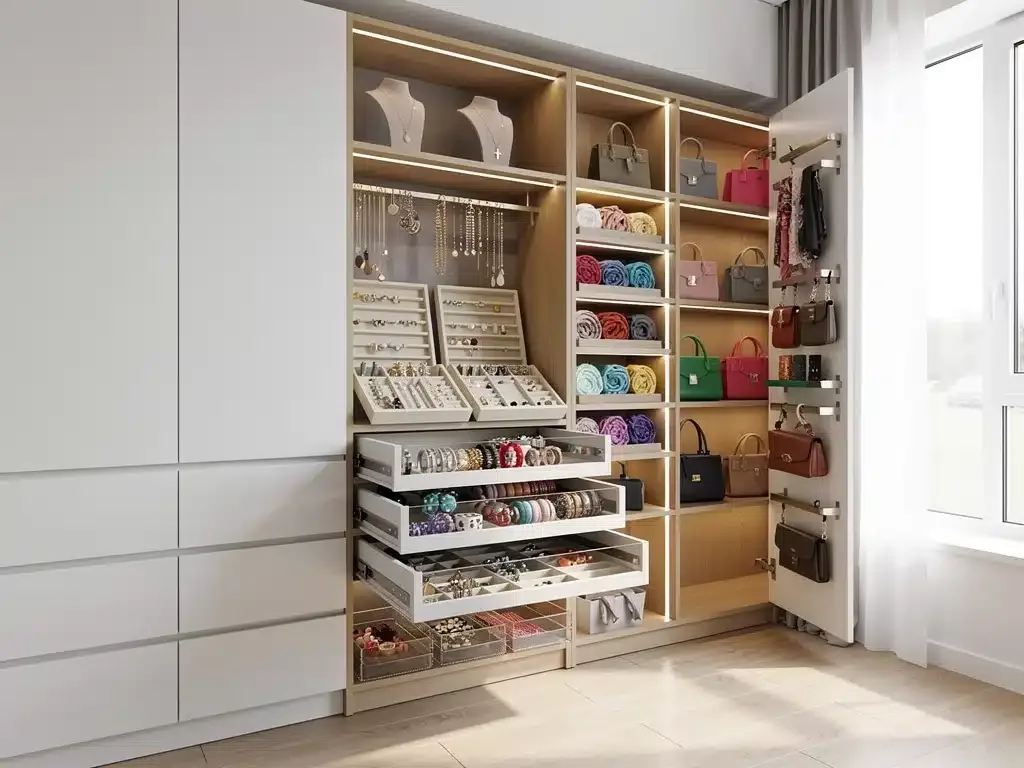
Latest developments on Accessory Organization Hacks: Reclaim 30 Minutes Weekly with These 2026 Solutions, with key facts, verified sources and what readers need to monitor next in Estados Unidos, presented clearly in Inglês (Estados Unidos) (en-US).
Accessory Organization Hacks: Reclaim 30 Minutes Weekly with These 2026 Solutions is shaping today’s agenda with new details released by officials and industry sources. This update prioritizes what changed, why it matters and what to watch next, in a straightforward news format.
Authorities confirmed new timelines and outlined initial impacts across different regions. Statements from representatives indicate short-term adjustments and a more defined path for upcoming decisions.
The Urgency of Accessory Organization in 2026
In 2026, the pace of life continues to accelerate, making efficient time management more critical than ever. Disorganized accessories can consume valuable minutes each day, leading to unnecessary stress and delays.
The concept of accessory organization hacks has evolved beyond mere tidiness; it is now a strategic approach to reclaim lost time. By implementing streamlined systems, individuals can significantly reduce the minutes spent searching for items.
Anúncios
Experts in productivity and home management emphasize that even small, consistent efforts in accessory organization can yield substantial weekly time savings. This focus on efficiency drives the development of new solutions.
Emerging Trends in Smart Storage Solutions
The year 2026 introduces a wave of innovative smart storage solutions designed to optimize accessory management. These advancements integrate technology with practical design, moving beyond traditional organizers.
From RFID-enabled jewelry boxes that track individual pieces to modular closet systems with customizable compartments, the options are expanding. These solutions aim to provide instant visibility and easy access, minimizing search times.
According to a recent report by the Home Organization Institute, adoption rates for these smart storage systems are projected to increase by 40% by late 2026. This indicates a growing consumer demand for advanced organizational tools.
Integrated Digital Inventories
New applications allow users to digitally catalog their accessories, complete with photos and location tags. This means knowing exactly where a specific necklace or watch is stored before even opening a drawer.
These digital inventories often sync with smart home systems, offering voice-activated queries for accessory locations. The convenience of such integration marks a significant leap in personal organization technology.
Modular and Customizable Systems
- Modular shelving units that adapt to changing accessory collections.
- Customizable drawer inserts designed for specific item types.
- Wall-mounted solutions that maximize vertical storage space.
The flexibility of modular designs ensures that storage solutions can evolve with an individual’s accessory wardrobe. This prevents the need for complete overhauls and offers long-term sustainability in organization.
Anúncios
Reclaiming Your Morning Routine with Strategic Placement
Strategic placement of frequently used accessories is a cornerstone of effective time reclamation in 2026. This involves analyzing daily routines to identify optimal storage locations that minimize movement and effort.
For instance, placing everyday jewelry or watches near your dressing area, rather than a separate closet, can shave minutes off your morning preparations. The goal is to create a seamless flow from dressing to accessorizing.
Behavioral psychologists suggest that reducing friction in routine tasks significantly boosts efficiency and reduces decision fatigue. Accessory organization hacks leverage this principle to enhance daily productivity.
Optimizing Dressing Area Layouts
Consider a dedicated accessory zone within your dressing area, equipped with hooks, trays, and small drawers. This centralizes items needed during your getting-ready process, eliminating scattered searches.
Many individuals find success by categorizing accessories by frequency of use, placing daily essentials within arm’s reach. Less frequently used items can be stored slightly further away but still within a logical system.
Vertical Storage for Scarves and Belts
- Over-the-door hangers with multiple hooks for scarves.
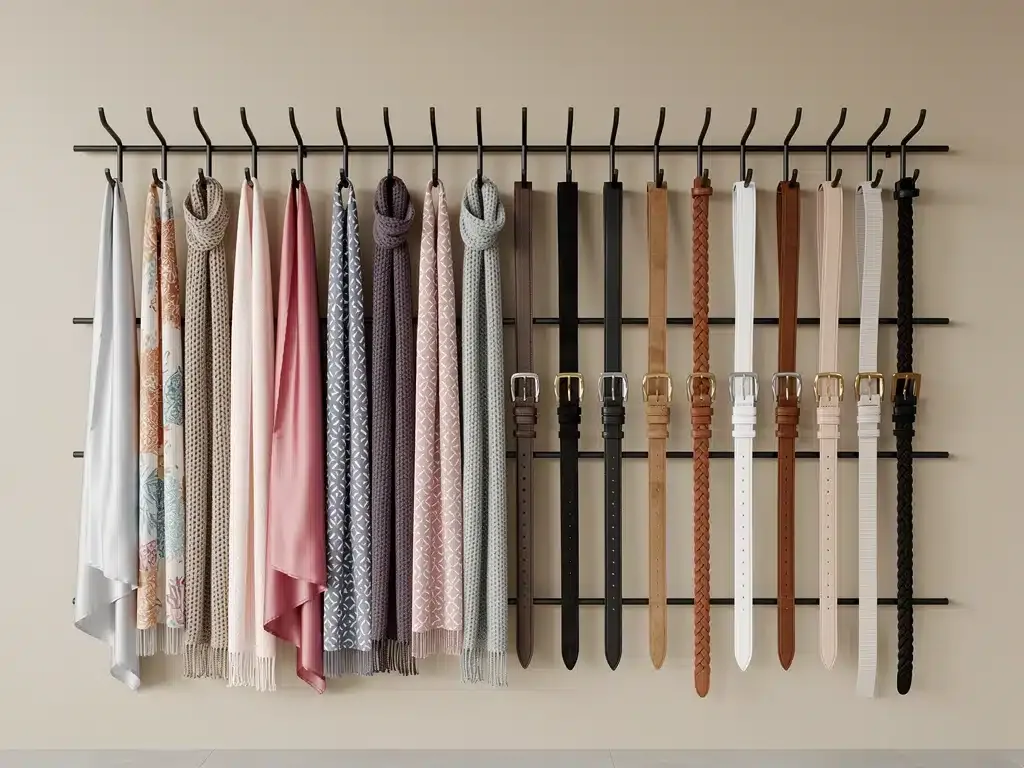
- Belt racks that hang inside closets, keeping belts visible and untangled.
- Clear, cascading hangers for multiple items in a compact space.
Utilizing vertical space is a highly effective strategy for small items like scarves and belts, which often create clutter. This approach frees up drawer and shelf space for bulkier accessories.
Innovative Jewelry Organization Techniques
Jewelry, notorious for tangling and misplacement, benefits immensely from specialized organization techniques. The latest innovations focus on protection, visibility, and easy retrieval.
From anti-tarnish storage solutions to display cases that double as secure safes, options cater to various types and values of jewelry. These methods ensure longevity and accessibility.
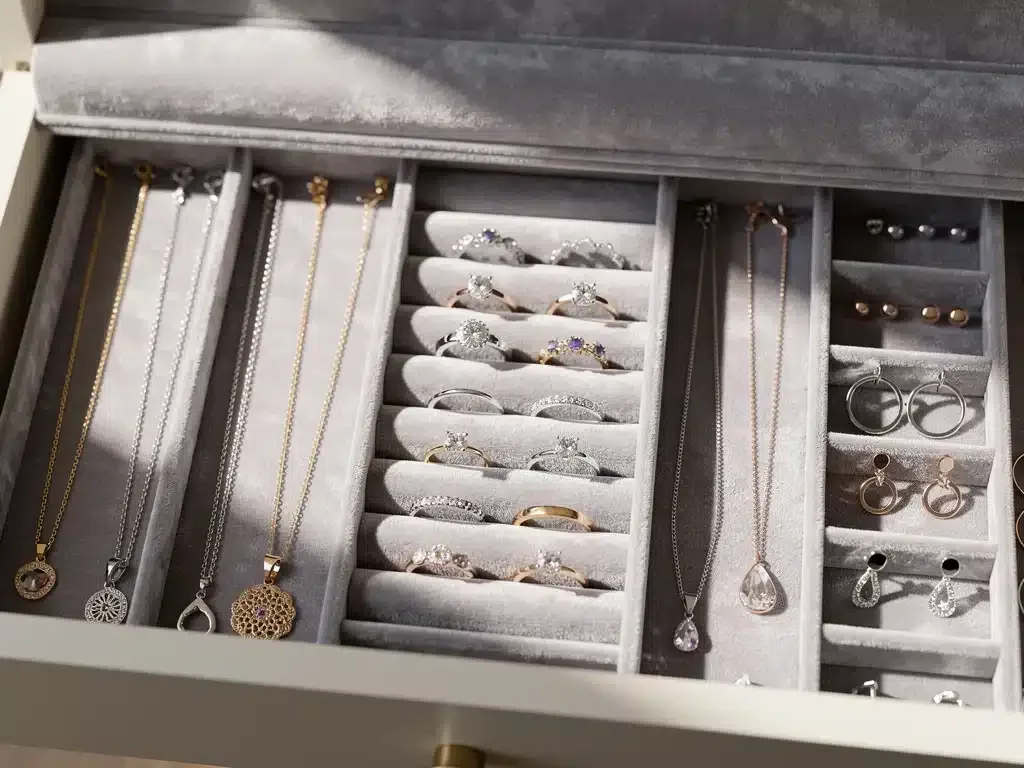
According to jewelers and fashion stylists, proper jewelry organization not only saves time but also preserves the quality of pieces. This dual benefit makes these hacks particularly valuable.
Tangle-Free Necklace Storage
Necklace trees and wall-mounted hooks are excellent for preventing tangles, keeping each piece separate and visible. For delicate items, individual pouches within a drawer can also be effective.
Some advanced solutions include motorized necklace carousels that rotate, presenting each item at the touch of a button. This luxury option further minimizes the effort involved in selecting jewelry.
Earring and Ring Management
- Velvet-lined trays with individual compartments for rings.
- Perforated earring boards or stands for stud and dangle earrings.
- Stackable jewelry boxes with customizable dividers.
Keeping earrings paired and rings secure is crucial. Specialized organizers ensure that these small items are not lost and are readily available when needed, preventing frustrating searches.
Handbag and Wallet Organization Strategies
Managing handbags and wallets can be challenging, especially for those with extensive collections. Effective strategies focus on maintaining their shape, protecting them from damage, and ensuring easy access.
The goal is to prevent handbags from becoming shapeless piles and wallets from being lost in the depths of larger bags. Organized storage preserves their aesthetic and functional value.
Many fashion enthusiasts advocate for storing bags upright, either on shelves or in dedicated cubbies, to maintain their structure. This approach also makes it easier to see and select the desired bag.
Dedicated Handbag Storage
Bag shapers or stuffing with acid-free tissue paper help maintain the form of high-end handbags. Clear dust bags offer protection while allowing visibility, making selection effortless.
Some modern closets feature pull-out shelves or display areas specifically designed for handbags, treating them as part of the decor. This elevates their status from mere accessories to cherished items.
Wallet and Small Pouch Solutions
- Drawer dividers to keep wallets and small pouches upright and separate.
- Small, transparent bins within drawers for quick identification.
- A designated spot on a dresser or entryway table for everyday wallets.
Consolidating wallets and small pouches in a specific, easily accessible location prevents them from migrating to various parts of the house. This simple hack saves significant time during hurried exits.
Leveraging Technology for Accessory Organization
The integration of technology into accessory organization hacks is a defining feature of 2026. Smart solutions offer unprecedented levels of control, tracking, and efficiency.
From apps that manage your wardrobe to automated storage systems, technology is transforming how we interact with our accessories. These tools move beyond basic organization to offer truly intelligent management.
The aim is to reduce the cognitive load associated with managing possessions, freeing up mental space and physical time. This technological evolution makes organization less of a chore and more of an integrated lifestyle element.
Smart Closet Systems
Advanced closet systems now include integrated lighting that highlights specific accessory sections, and some even feature automated retrieval mechanisms. These systems are designed for ultimate convenience.
Sensors can also detect when an accessory is missing, prompting a notification to the user. This proactive approach helps prevent loss and ensures that items are always accounted for.
RFID Tagging for High-Value Items
- Small, discreet RFID tags embedded in luxury accessories.
- A handheld scanner or smartphone app to locate tagged items instantly.
- Inventory management for insurance purposes and security.
RFID technology provides a robust solution for tracking and locating high-value accessories, offering peace of mind and significant time savings for those moments when an item seems to have vanished.
DIY and Budget-Friendly Organization Tips
While high-tech solutions abound, effective accessory organization hacks don’t always require significant investment. Many budget-friendly and DIY options can deliver impressive results.
Creativity and resourcefulness can transform everyday items into functional organizers, proving that smart organization is accessible to everyone. The focus remains on efficiency, regardless of cost.
From repurposing kitchen organizers to crafting custom dividers, these methods empower individuals to create systems tailored to their specific needs without breaking the bank.
Repurposing Household Items
Ice cube trays can become perfect organizers for small earrings or rings. Old shoeboxes, when decorated and fitted with dividers, can store belts, scarves, or even sunglasses.
Clear plastic containers, often found at dollar stores, are excellent for grouping similar items. Their transparency allows for quick visual identification, reducing search time.
Customizing Existing Furniture
- Adding peel-and-stick velvet to drawer bottoms for jewelry protection.
- Installing tension rods inside cabinets for hanging necklaces or small bags.
- Using adhesive hooks on the inside of cabinet doors for scarves or ties.
Simple modifications to existing furniture can create dedicated accessory storage. These small changes can dramatically improve accessibility and organization within your current living space.
Maintaining Your Organized Accessory System
Implementing accessory organization hacks is only the first step; consistent maintenance is crucial for long-term success. A well-organized system requires periodic review and adjustment to remain effective.
Without regular upkeep, even the most sophisticated organizational systems can degrade, leading to a return of clutter and lost time. This ongoing effort ensures sustained efficiency.
Scheduling a brief, quarterly review of your accessory collection can prevent overwhelming disorganization. This proactive approach keeps your system running smoothly.
The "One In, One Out" Rule
To prevent accessory overload, adopt the "one in, one out" rule, especially for categories prone to accumulation like jewelry or scarves. When a new item is acquired, an old one is donated or discarded.
This rule helps maintain a manageable collection size, ensuring that your organizational system is never overstretched. It encourages mindful consumption and prevents clutter before it starts.
Regular Decluttering Sessions
- Designate a specific day each month for a quick accessory declutter.
- Remove items that are broken, unworn, or no longer serve a purpose.
- Re-evaluate storage solutions as your collection changes over time.
Short, frequent decluttering sessions are more effective than infrequent, exhaustive ones. They prevent the buildup of unnecessary items and reinforce good organizational habits.
The Psychological Benefits of Organized Accessories
Beyond saving time, effective accessory organization hacks offer significant psychological benefits. A tidy environment contributes to a calmer mind and reduced stress levels.
The act of choosing accessories from an organized collection can become a more enjoyable and mindful experience. This contributes to a positive start to the day, impacting overall well-being.
Psychologists note that a sense of control over one’s physical environment often translates to a greater sense of control in other aspects of life. Organized accessories are a small but impactful step in this direction.
Reduced Decision Fatigue
When accessories are neatly arranged and visible, the mental effort required to choose an item is drastically reduced. This prevents decision fatigue, saving mental energy for more important tasks.
A streamlined selection process means less time spent deliberating, leading to quicker and more confident choices. This efficiency extends beyond the closet into other daily activities.
Enhanced Sense of Control
- A clear visual inventory of all owned accessories.
- The ability to quickly locate any item when needed.
- Less stress and anxiety associated with getting ready.
An organized accessory collection fosters a feeling of mastery over one’s belongings. This sense of order and control can positively influence mood and reduce daily frustrations.
| Key Benefit | Description |
|---|---|
| Time Savings | Reclaim up to 30 minutes weekly by streamlining accessory selection and storage processes. |
| Reduced Stress | Minimize daily frustrations associated with searching for misplaced or tangled accessories. |
| Enhanced Longevity | Proper storage techniques protect accessories from damage, extending their lifespan and value. |
| Improved Efficiency | Create a seamless daily routine with readily accessible and visible accessory collections. |
Frequently Asked Questions About Accessory Organization
What are the most effective 2026 accessory organization hacks?▼The most effective 2026 accessory organization hacks involve smart storage solutions like digital inventories and modular systems. Strategic placement of daily items and specialized organizers for jewelry and handbags are also key. These methods focus on quick access and visibility to save time.
How can I reclaim 30 minutes weekly through better organization?▼Reclaiming 30 minutes weekly is achievable by implementing consistent organization strategies. This includes decluttering regularly, utilizing vertical storage, and creating dedicated zones for different accessory types. Reducing the time spent searching for items each day quickly adds up to significant weekly savings.
Are there budget-friendly accessory organization solutions available?▼Absolutely. Many budget-friendly accessory organization hacks exist, such as repurposing household items like ice cube trays for small jewelry or shoeboxes for belts. Customizing existing furniture with tension rods or adhesive hooks also provides effective and affordable storage solutions without major investment.
What role does technology play in accessory organization for 2026?▼Technology plays a significant role in 2026 accessory organization. Innovations include smart closet systems with integrated lighting and automated retrieval, as well as RFID tagging for high-value items. Digital inventory apps help track and locate accessories, enhancing efficiency and security in personal management.
How do I maintain an organized accessory system long-term?▼Maintaining an organized accessory system long-term requires consistent effort. Adopting the "one in, one out" rule helps manage collection size, while scheduling regular, brief decluttering sessions prevents clutter buildup. Periodically reviewing and adjusting your storage solutions ensures they remain effective as your needs evolve.
What this means
The widespread adoption of accessory organization hacks in 2026 signals a broader societal shift towards maximizing personal efficiency and minimizing daily stressors. These innovations, both high-tech and DIY, underscore a growing demand for practical solutions that reclaim valuable time. As new products and methodologies emerge, individuals can expect even more streamlined ways to manage their belongings, further integrating organization into a seamless daily routine. This trend highlights the ongoing evolution of personal productivity and mindful consumption.